
How Long Does Buying a Home Actually Take?
Most buyers are surprised to learn that the formal closing process — from accepted offer to signing day — typically spans 30 to 60 days. But that window starts only after you've already done significant groundwork: budgeting, getting pre-approved, and searching for a home. From the very first step to closing day, the full arc often takes three to six months or longer, depending on your market and circumstances.
Understanding what happens at each stage helps you avoid panic when things feel slow and helps you catch problems early. See also the full overview of the home-buying process for a broader walkthrough of every phase.
| Typical closing timeline | 30–60 days after accepted offer (Consumer Financial Protection Bureau) |
| Full process (search to close) | 3–6 months or more (General industry estimate) |
| Pre-approval turnaround | 3–10 business days (Varies by lender) |
| Closing Disclosure wait period | Minimum 3 business days before closing (TILA-RESPA Integrated Disclosure (TRID) rule) |
| Underwriting duration | 2–4 weeks (General industry estimate) |
| Home inspection window | Typically within 10 days of contract (Varies by contract terms) |
Weeks 1–3: Pre-Approval and House Hunting
Get pre-approved before you tour homes seriously. A mortgage pre-approval letter tells sellers you're a credible buyer and tells you how much a lender is willing to loan you. This step involves submitting financial documents — pay stubs, tax returns, bank statements, and a credit check — and usually takes 3 to 10 business days.
While you're waiting on pre-approval, you can begin touring homes. In competitive markets, expect to see multiple properties before making an offer. Buyers in low-inventory areas sometimes search for months; in slower markets, the right home may appear within weeks. Review common down payment misconceptions before you set your budget — you may qualify for more programs than you think.
Common delay: Missing or inconsistent documents at the pre-approval stage can add a week or more to your timeline.
Weeks 3–5: Offer, Negotiation, and Under Contract
Once you find a home you want, your agent helps you prepare a purchase offer that includes your proposed price, contingencies (conditions that must be met for the sale to proceed), and your preferred closing date. Sellers typically respond within 24 to 72 hours — accepting, rejecting, or countering. For a detailed look at this stage, see what making an offer looks like in practice.
Once both parties sign, you're under contract — and the clock starts on your contingency deadlines. This is also when you'll typically submit an earnest money deposit, a good-faith payment held in escrow until closing.
Common delay: Back-and-forth negotiations or a seller evaluating multiple offers can stretch this phase by several days.
Weeks 5–8: Inspection, Appraisal, and Loan Processing
This middle stretch is the busiest — and the most common source of delays. Three things happen roughly in parallel:
- Home inspection (Days 1–10 after contract): A licensed inspector examines the property's condition. If issues surface, you can negotiate repairs, request a price reduction, or — depending on your contingency — walk away.
- Appraisal (Days 5–15): Your lender orders an independent appraisal to confirm the home's value supports the loan amount. Appraisals often take 1–2 weeks to schedule and complete.
- Loan processing and underwriting (ongoing): Your lender's underwriting team verifies all your financial information and issues a formal loan decision. This stage typically takes 2 to 4 weeks and may involve requests for additional documentation (called conditions).
Before you reach this point, it's worth reviewing a buyer's preparation checklist to make sure your documents are in order.
Common delays: Appraisals that come in below purchase price, lender requests for extra documentation, or inspection disputes requiring re-negotiation.
Week 8 and Beyond: Clear to Close and Closing Day
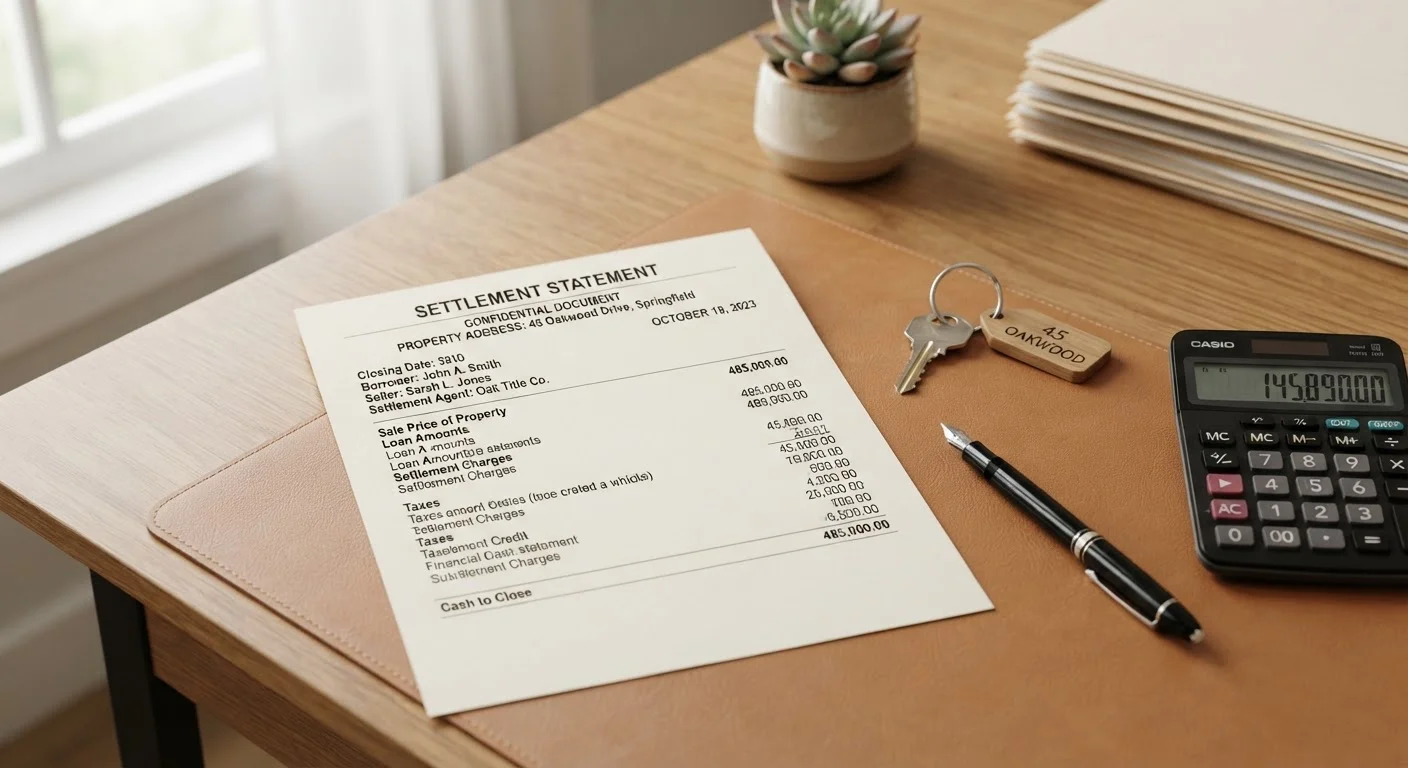
When the lender issues a "clear to close" (CTC), it means underwriting is complete and your loan is approved. You'll receive a Closing Disclosure — a standardized document detailing your final loan terms, monthly payment, and all closing costs — at least three business days before closing. Federal law requires this waiting period, so don't expect to close the same day you receive it.
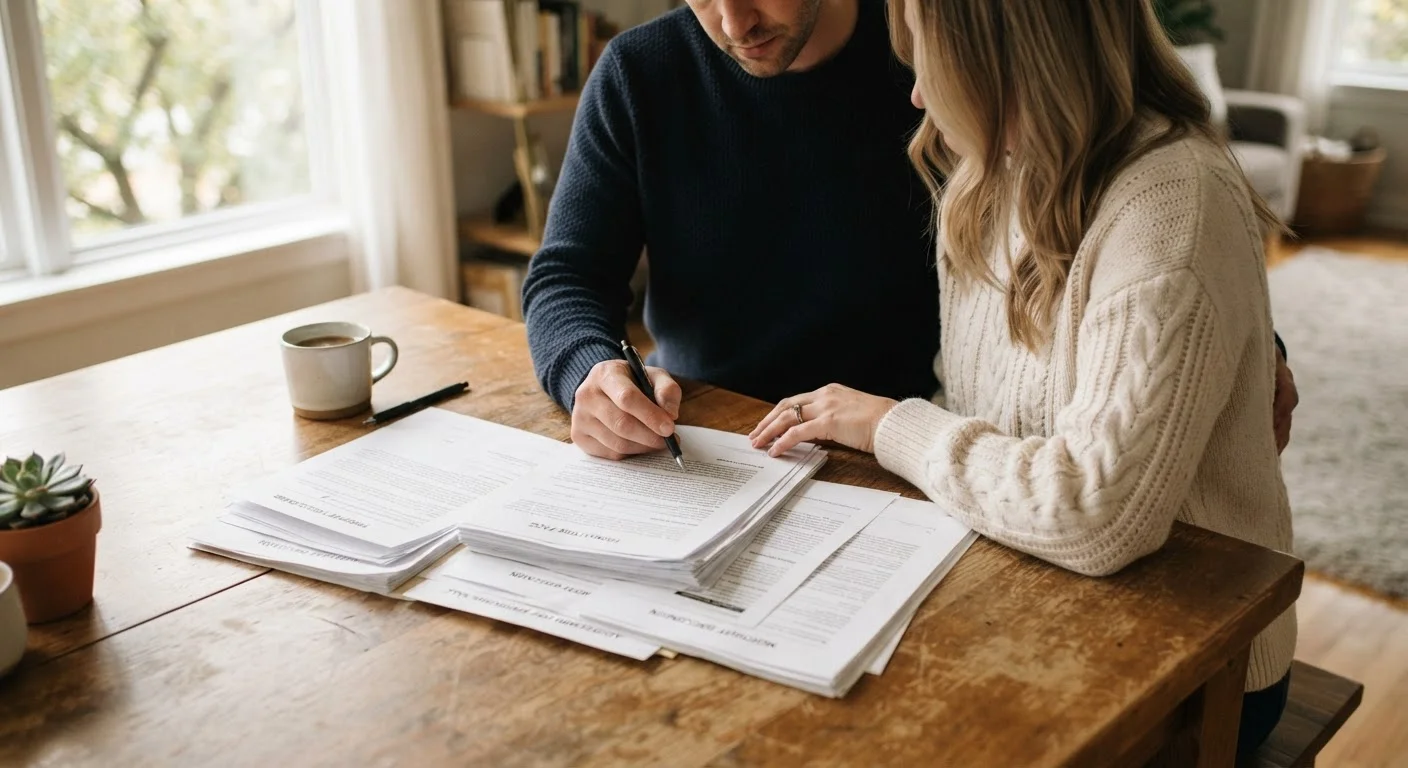
On closing day, you'll sign a stack of documents, pay closing costs and your down payment (typically via wire transfer or cashier's check), and — once the deed is recorded — receive the keys. The entire signing appointment usually takes one to two hours.
Common delays: Last-minute title issues, wire transfer timing, or walk-through disputes can push closing by a day or more. Avoid making large financial moves — new credit accounts, big purchases, or job changes — after your loan application, as these can trigger re-underwriting.
This article is for general informational purposes only and does not constitute financial, legal, or real estate advice. Consult a licensed professional for guidance specific to your situation.