How Property Taxes Are Calculated
Two numbers drive your property tax bill: your home's assessed value and the millage rate set by your local taxing authorities.
The assessed value is the dollar figure a government assessor assigns to your property, usually based on local market conditions, comparable home sales, and periodic on-site or remote evaluations. Importantly, this number is not the same as your home's market value — what a buyer might pay today — nor is it the same as an appraised value from a mortgage lender. Many jurisdictions assess at a fixed percentage of market value, called an assessment ratio, which can be 50%, 80%, or 100% depending on local law.
The millage rate (or mill rate) is the tax rate expressed in mills, where one mill equals $1 of tax for every $1,000 of assessed value. If your assessed value is $200,000 and the combined millage rate from your county, city, and school district is 25 mills, your annual bill is $5,000.
Because multiple taxing authorities — county, municipality, school district, special districts — each set their own rates, your total bill is the sum of all those individual levies. This layered structure is why two homes on the same street can sometimes have meaningfully different bills.
$3,100+
Median annual property tax paid by U.S. homeowners
According to U.S. Census Bureau American Community Survey data, the national median annual property tax payment for owner-occupied homes regularly exceeds $3,000, though amounts vary widely by state and county.
Varies by state
Effective property tax rates across the U.S.
Effective rates range from well under 0.5% in some states to over 2% in others, meaning the same home can carry vastly different tax burdens depending on its location.
~1 in 4
Homeowners who may be over-assessed
Research by Lincoln Institute of Land Policy and others has suggested a meaningful share of residential properties carry assessed values higher than comparable sales data would support, particularly in lower-value market segments.
Why Your Tax Bill Changes Over Time
Property taxes are not fixed. Two separate forces can push your bill up or down: changes in assessed value and changes in the tax rate.
Reassessments
Local governments reassess properties on schedules that vary by jurisdiction — annually in some places, every few years in others. Rising home prices in your neighborhood generally lift assessed values, which increases bills even if the rate stays flat. A major renovation — finishing a basement, adding a bathroom, building an addition — can also prompt a higher assessment.
Rate Changes
Local governments adjust millage rates based on their budget needs. Voter-approved school levies, new infrastructure bonds, or shifts in state funding can raise the rate. Occasionally, when property values rise dramatically across a jurisdiction, governments lower the rate to prevent a windfall — though this is not guaranteed.
Changes in Your Personal Situation
Buying a home can itself trigger a reassessment in many states. A purchase price is treated as strong evidence of market value, so new owners sometimes see a higher bill than the previous owner paid. Understanding this dynamic is part of the broader picture of ongoing homeownership costs that don't appear in a mortgage payment alone.
Exemptions, Escrow, and the Appeals Process
Exemptions That Can Lower Your Bill
Many homeowners are eligible for exemptions that reduce the taxable portion of their assessed value. The most widely available is the homestead exemption, which applies to a primary residence and typically shaves a fixed dollar amount or percentage off the assessed value before the rate is applied. Additional programs exist for seniors, veterans, people with disabilities, and qualifying low-income households. These vary significantly by state and county, so check directly with your local assessor's office or tax authority.
Paying Through Escrow
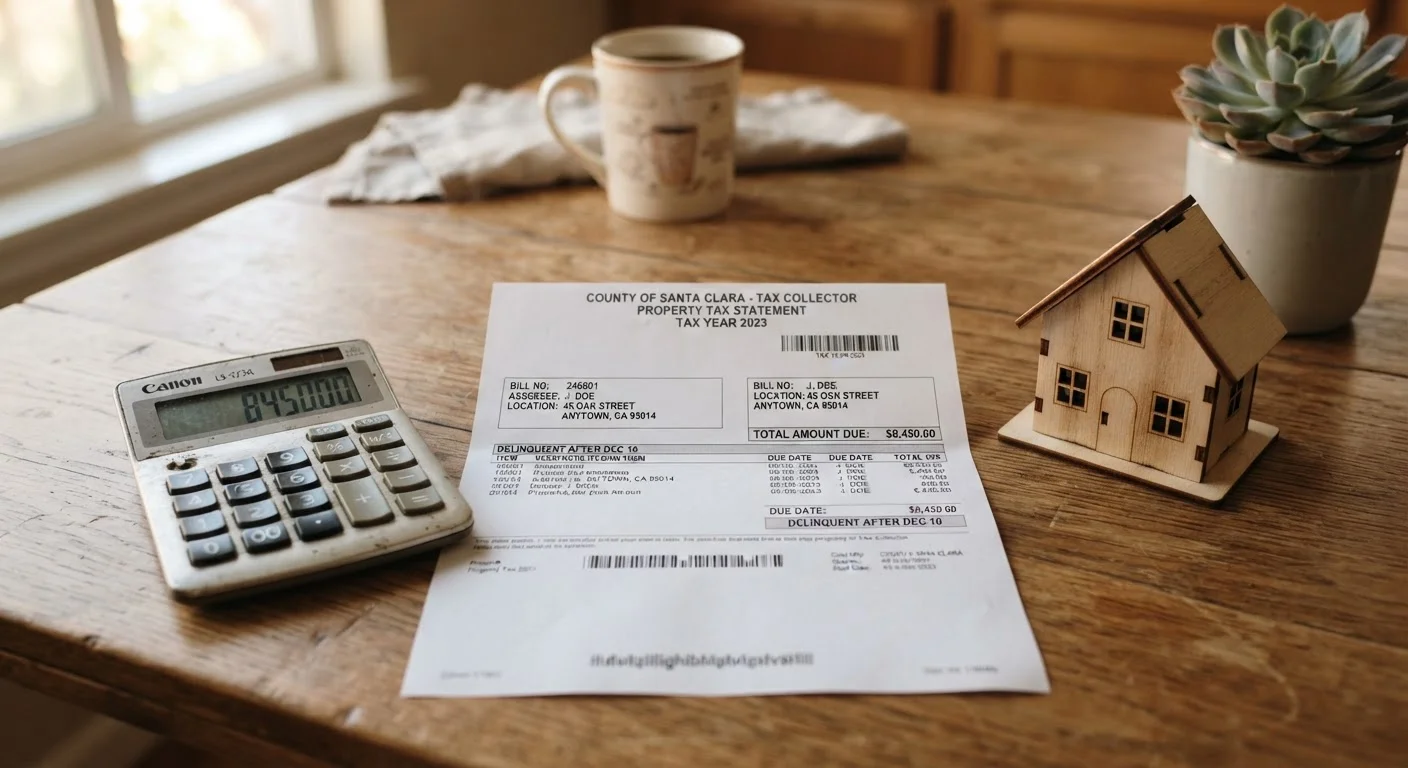
If you carry a mortgage, your lender almost certainly collects property taxes through an escrow account. A portion of each monthly payment is set aside, and the lender pays your tax bills when they come due — typically twice a year. When your tax bill rises, the lender adjusts your monthly escrow payment accordingly, which is a common reason for unexpected mortgage payment increases. Our guide to reading your mortgage statement explains how to track this in detail.
Appealing an Assessment You Believe Is Too High
If your assessed value seems out of line with reality, you have the right to appeal. The general process works like this:
- Review your assessment notice carefully for the appeal deadline — these windows are often short, sometimes 30 to 90 days.
- Gather evidence: recent sales of comparable nearby homes, a recent private appraisal, or documentation of property condition issues.
- File a formal appeal with your local Board of Assessment Appeals or equivalent body.
- Present your case at a scheduled hearing, either in person or in writing.
Success is not guaranteed, but well-documented appeals regularly result in reduced assessments. This is also a topic worth reviewing alongside our broader discussion of what new homeowners are rarely warned about.
This article is for general informational purposes only and does not constitute legal, tax, or financial advice. Tax rules vary by state and local jurisdiction. Consult a qualified tax professional or your local assessor's office for guidance specific to your situation.