Why the Mortgage Payment Is Only Part of the Story
When buyers calculate what they can afford, the mortgage payment is almost always the starting point — and too often the ending point. Lenders quote principal and interest, and many buyers mentally anchor to that number. But the monthly cost of owning a home is typically 25 to 40 percent higher once you account for everything else the lender doesn't bundle in.
Property taxes are the most commonly underestimated line item. Depending on location, annual property taxes can range from less than one percent of a home's assessed value to well over two percent. On a $350,000 home, that is anywhere from $3,500 to $7,000 per year — or roughly $290 to $580 added to your effective monthly housing cost. Unlike rent, property taxes can rise over time as local governments reassess values or adjust rates.
Homeowners insurance adds another layer. Policies vary significantly by region — homes in areas prone to hurricanes, floods, or wildfires carry substantially higher premiums — and standard policies don't automatically cover everything. Flood insurance, for example, is typically purchased separately through the National Flood Insurance Program or private carriers. For a broader look at what ownership actually involves from day one, see What It Actually Means to Own a Home.
Maintenance: The Cost No One Can Opt Out Of
Renters call the landlord when something breaks. Homeowners write the check — and often don't know the check is coming. A widely cited rule of thumb suggests budgeting one to two percent of a home's purchase price annually for maintenance and repairs. On a $350,000 home, that means setting aside $3,500 to $7,000 every year, even in years when nothing major goes wrong.
Major systems — roof, HVAC, plumbing, electrical — fail on their own schedules, not yours. A new roof can cost $10,000 to $20,000 or more depending on the size and materials. An HVAC replacement runs $5,000 to $12,000. These aren't hypotheticals; they are predictable expenses that every homeowner will eventually face. The question is whether they are financially prepared when the moment arrives.
Equity builds over time as you pay down the mortgage
Each mortgage payment reduces your loan balance, gradually increasing the share of the home you own outright. Over years, this can represent meaningful wealth — though it depends on market conditions and how long you stay.
Stability of a fixed monthly payment
A fixed-rate mortgage locks in your principal and interest payment for the life of the loan, offering protection against rent increases that renters have no control over.
Freedom to modify and personalize your space
Homeowners can renovate, paint, landscape, and alter their property without landlord approval, giving full control over the living environment.
Potential tax benefits in some situations
Mortgage interest and property taxes may be deductible for homeowners who itemize on their federal tax return, though the benefit varies widely by income, loan size, and tax situation. Consult a tax professional for guidance specific to your circumstances.
Hedge against rent inflation in tight markets
In markets where rents rise steeply year after year, locking in a fixed mortgage can mean lower effective housing costs over the long term compared to renting the same property.
True monthly costs far exceed the mortgage payment
Property taxes, homeowners insurance, and routine maintenance routinely add hundreds of dollars per month beyond principal and interest — costs that catch many buyers off guard in the first year.
Major repairs can arrive without warning
Roofs, HVAC systems, and plumbing do not follow a predictable schedule. A single system failure can cost $5,000 to $20,000 or more, making a strong emergency fund essential rather than optional.
Limited flexibility to relocate quickly
Selling a home involves agent commissions, closing costs, and market timing — often totaling six to ten percent of the sale price — which can erase early equity gains if you need to move within a few years.
Home values can decline as well as rise
Real estate markets are cyclical, and homeowners who need to sell during a downturn may recover less than they paid. Equity is not guaranteed and depends heavily on local market conditions.
HOA fees add mandatory, recurring costs
In many communities, HOA dues are unavoidable and can increase over time. Special assessments for shared repairs can add unexpected lump-sum costs on top of regular dues.
Upfront costs are substantial before you even move in
Down payments, closing costs, home inspections, and moving expenses mean buyers often need tens of thousands of dollars in liquid savings before the mortgage begins — a bar that takes years to reach for many households.
Deferred maintenance is a trap that compounds quickly. A small roof leak ignored for one season can mean mold remediation and structural repairs the next. For a grounded look at how skipping upkeep accelerates costs, the same pattern plays out across ownership contexts — as explored in Why Skipping Routine Maintenance Costs Far More in the Long Run.
HOA Fees, Assessments, and the Costs Buyers Often Discover Too Late
Buyers purchasing in a planned community, condominium, or subdivision may also owe monthly fees to a homeowners association (HOA). These fees fund shared amenities and common area maintenance, and they are non-negotiable once you own. Monthly HOA fees commonly range from $100 to $600, though luxury or high-amenity communities can run higher.
Beyond regular dues, HOAs can levy special assessments — one-time charges for major repairs to shared property, such as a new parking structure or roof on a condo building. These can run into the thousands and typically cannot be spread out. Understanding the association's financial reserves before buying is a critical step that many first-time buyers overlook. HOA Membership: Rights, Rules, and What the Fine Print Means walks through what to review before you're bound by the rules.
First-Time Buyers: Watch for Common Misconceptions
Many buyers enter the market believing myths that can lead to costly decisions — from assuming a 20% down payment is always required to believing that owning is always smarter than renting. Myths About Homeownership That Trip Up New Buyers separates widely held assumptions from the facts. Going in with accurate expectations is one of the most practical things a first-time buyer can do.
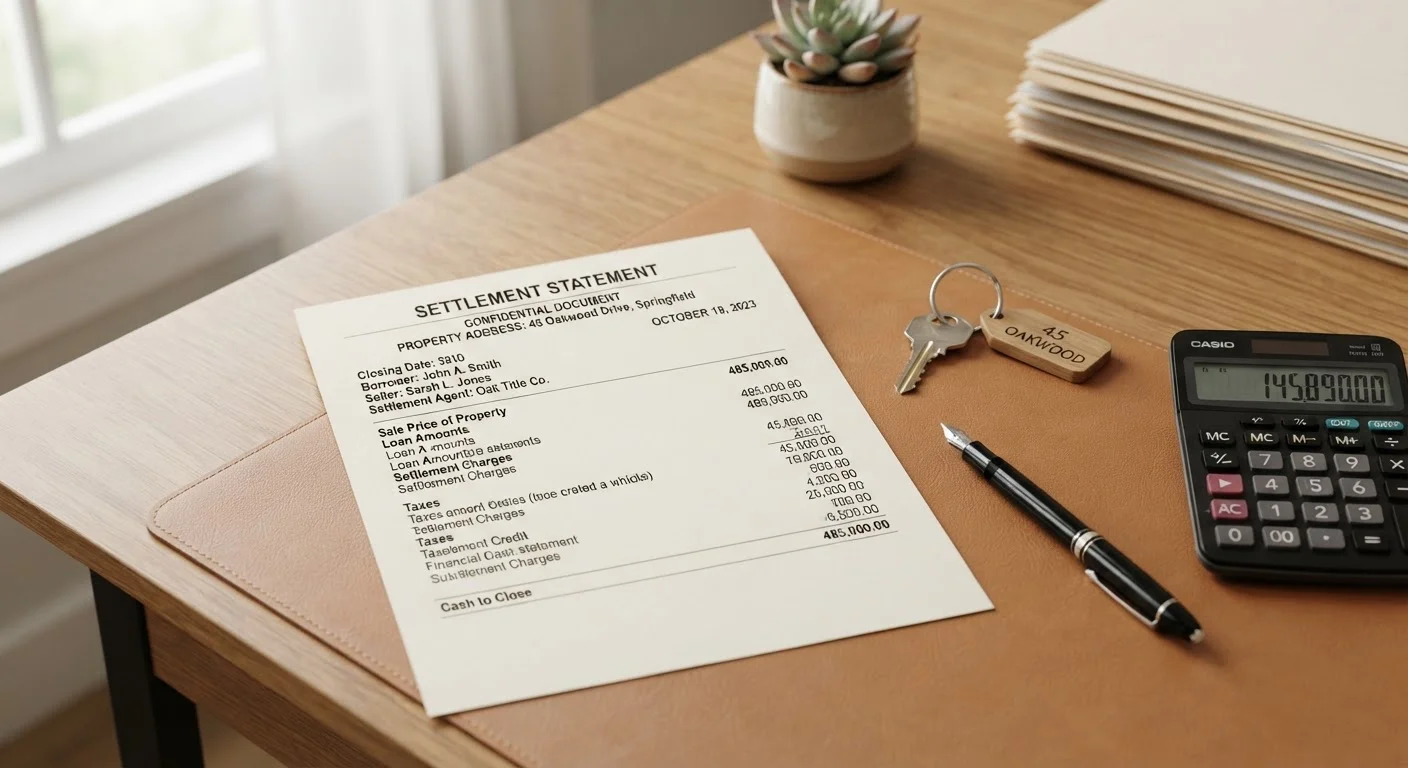
It's also worth remembering that closing costs — paid before you even move in — typically run two to five percent of the loan amount. That's an upfront hurdle that renters don't face. See Closing Costs Decoded for a full breakdown of what appears on the settlement statement.
What Renting Actually Offers in Return
Renting is often framed as "throwing money away," but that framing ignores what rent actually buys: cost predictability, zero maintenance liability, and geographic flexibility. A renter who pays $1,800 per month knows their housing cost with confidence. A homeowner paying the same in mortgage principal and interest may face an additional $700 or more in taxes, insurance, and average monthly maintenance — and that figure can spike in any given year.
Renters also retain the freedom to relocate without the friction and transaction costs of selling a home. Real estate commissions, closing costs on a new purchase, and market timing all factor into a homeowner's ability to move. For buyers who aren't certain they'll stay in a home five or more years, those transaction costs can easily offset the equity gains accumulated in the early years of a mortgage — when the bulk of each payment goes toward interest, not principal.
For a side-by-side comparison of both paths, Renting vs. Buying: A Side-by-Side Look at the Real Trade-Offs offers a structured breakdown. And if you're navigating life as a renter right now, the Renting 101 hub covers leases, landlords, and tenant rights in plain language.
1–2%
Annual home maintenance budget rule of thumb
Financial planners commonly recommend setting aside one to two percent of a home's purchase price each year to cover routine upkeep and unexpected repairs.
~5 years
Typical break-even horizon for buying vs. renting
Many housing economists suggest buyers generally need to stay in a home at least five years for the financial benefits of ownership to outweigh transaction and carrying costs, though this varies by market.
$3,500–$7,000
Estimated annual property tax on a $350,000 home
Property tax rates vary significantly by state and municipality, ranging roughly from one to two percent of assessed value; buyers should research local rates before committing.