Why Renters Should Read Every Page
Most renters skim a lease, sign at the bottom, and discover the fine print only when something goes wrong. That's a costly habit. A lease is a legal document — and ignorance of its terms isn't a defense if a dispute arises.
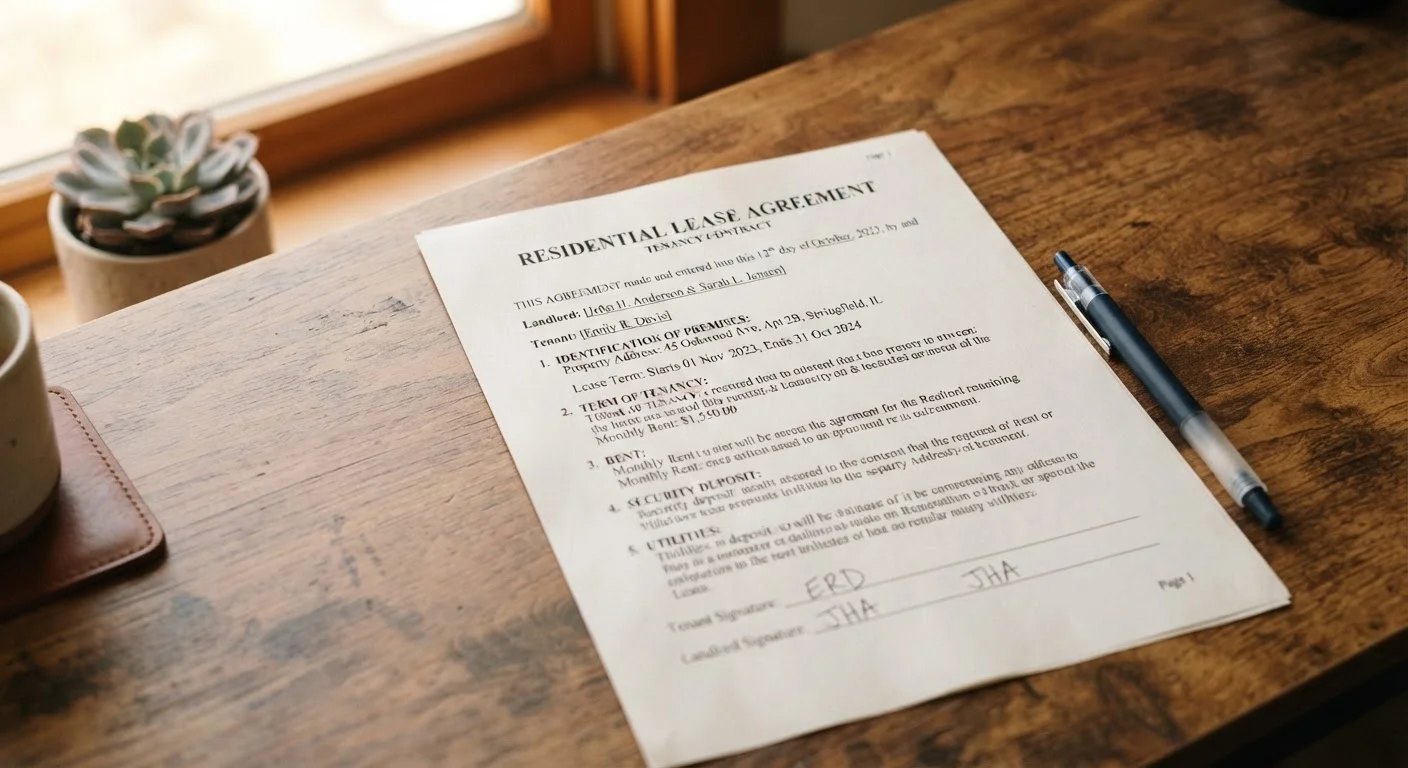
Leases can run from two pages to twenty, but every section has meaning. Understanding the structure helps you know where to focus your attention. Much like decoding warranty fine print, reading a lease carefully before you commit is far easier than untangling it after problems start.
The Core Clauses and What They Mean
Most leases follow a predictable structure. Here are the sections that carry the most weight:
- Rent and due date: This section states the monthly amount, when it's due, and the grace period (if any) before a late fee applies. Confirm whether rent is due on the 1st or another date, and what the late fee amount is — some states cap how much a landlord can charge.
- Lease term: Fixed-term leases lock in a specific end date. Month-to-month leases renew automatically but allow either party to exit with proper notice. Your choice between these structures has real consequences for flexibility and stability.
- Security deposit: Look for the exact dollar amount, the conditions under which deductions can be made, and the deadline for the landlord to return it. Most states require return within 14–30 days of move-out.
- Maintenance and repairs: Leases must assign responsibility for repairs. Landlords are generally required by law to maintain habitable conditions; tenants are typically responsible for minor upkeep. Watch for clauses that try to shift major repair costs onto you.
- Early termination: This clause defines the penalty if you need to leave before the lease ends — often one to two months' rent. Some leases include a buyout option; others don't.
- Rules and restrictions: Pet policies, guest limits, smoking rules, subletting restrictions, and noise expectations typically appear here. Violating these can be grounds for eviction.
Get Changes in Writing Before You Sign
If a landlord agrees to fix something, allow a pet, or modify any term — make sure it's added to the lease as a signed addendum before move-in. Verbal agreements are nearly impossible to enforce once a dispute arises. Even a brief written note signed by both parties carries far more legal weight than a spoken promise.
Red Flags Worth Slowing Down For
Not every clause in a lease is fair — or even legal. Here are patterns that deserve a closer look:
~$200
Typical late fee per occurrence
Late fee amounts vary widely by state and landlord; some states cap the maximum allowable fee by law.
14–30 days
Security deposit return window in most states
The exact deadline varies by state; landlords who miss it may forfeit the right to make deductions or face penalties.
1–2 months
Common early termination fee range
Early termination penalties are set by individual lease terms and are not federally regulated; always confirm the exact figure before signing.
- Waiver of habitability: Any clause stating you accept the unit "as is" and waive your right to repairs may conflict with state law. Landlords generally cannot contract out of their duty to maintain livable conditions.
- Automatic rent increases: Some leases include language allowing rent to increase mid-term or upon renewal by a set percentage. Know what you're agreeing to.
- Vague damage language: If the lease uses terms like "tenant responsible for all damages" without defining normal wear and tear, push for clarification in writing.
- Overly broad entry rights: Landlords have the right to enter — but most states require advance notice (commonly 24 hours) except in emergencies. A lease that grants unlimited entry rights may violate tenant protections.
If you're uncertain about any clause, a local tenant rights organization or a housing attorney can review the document. This kind of due diligence mirrors the care smart buyers apply when reviewing property ownership documents before closing.
Before You Sign: A Practical Checklist
Walking into a lease signing prepared makes a real difference. Before you add your signature:
- Read the entire document — not just the summary or the sections the landlord highlights.
- Ask for any verbal promises to be added in writing as an addendum.
- Document the unit's condition with photos and video at move-in, and keep a copy.
- Confirm the lease matches what was advertised. If the listing raised questions, read listings critically to know what to ask upfront.
- Keep a signed copy for your records throughout the tenancy.
This article is for general informational purposes only and does not constitute legal advice. Lease laws vary by state and locality. Consult a qualified attorney or local tenant rights organization for guidance specific to your situation.