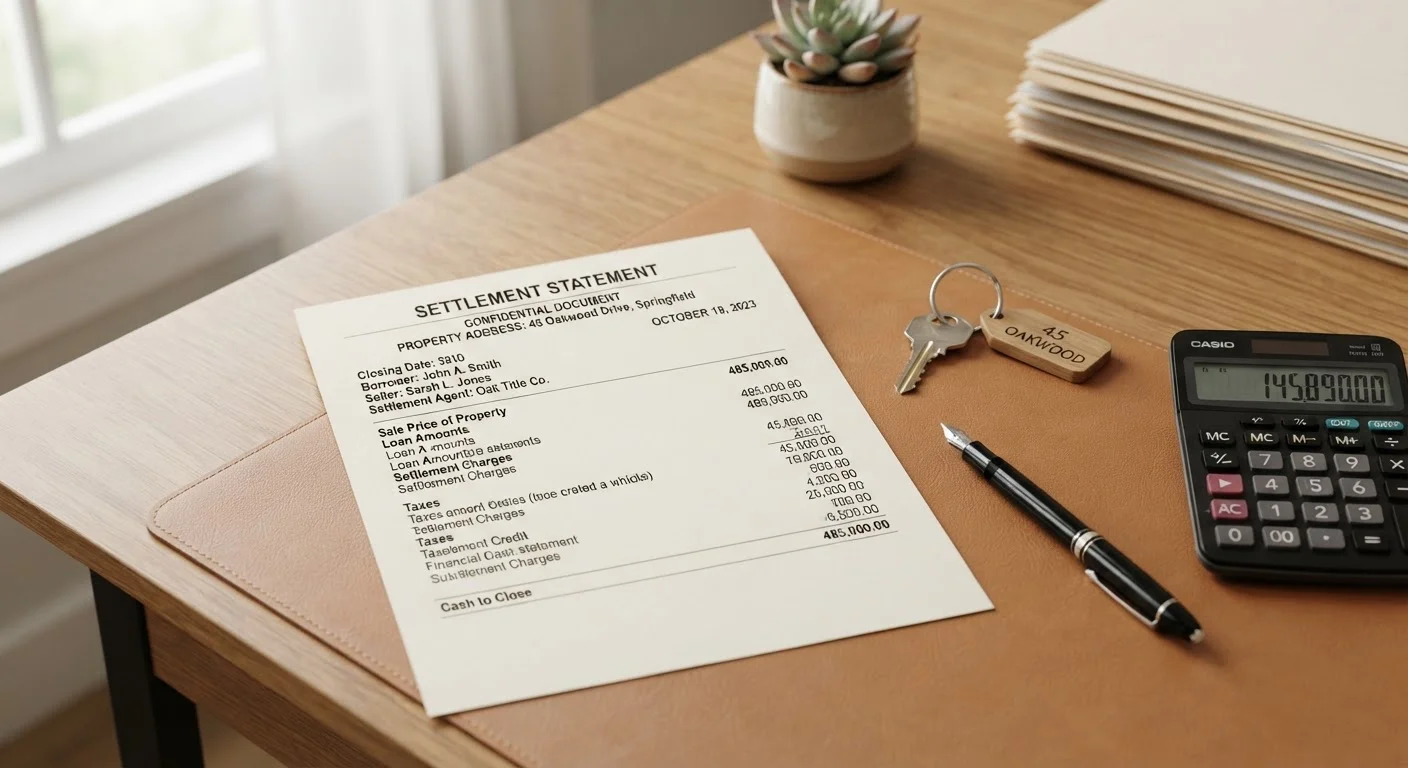
Why This Distinction Matters More Than Renters Realize
Each year, security deposit disputes rank among the most common conflicts between renters and landlords in the United States. At the center of many of these fights is a phrase renters hear often but rarely fully understand: normal wear and tear.
In most states, landlords are legally prohibited from deducting the cost of normal wear and tear from a tenant's security deposit. But without a clear sense of what that term actually covers, renters may accept deductions they don't owe — or unknowingly cause damage they do. Understanding the line between the two is practical knowledge that can protect real money.
Before signing any lease, it's also worth documenting the unit's existing condition carefully. Our move-in checklist for new renters walks through every room so you have a solid evidence baseline if questions arise at move-out.
Common Myths — and What the Facts Actually Say
These are the misconceptions renters carry most often into move-out conversations. Each one can directly affect how much of a deposit gets returned.
Myth
Scuffed or lightly marked walls always count as damage the tenant must pay to fix.
Fact
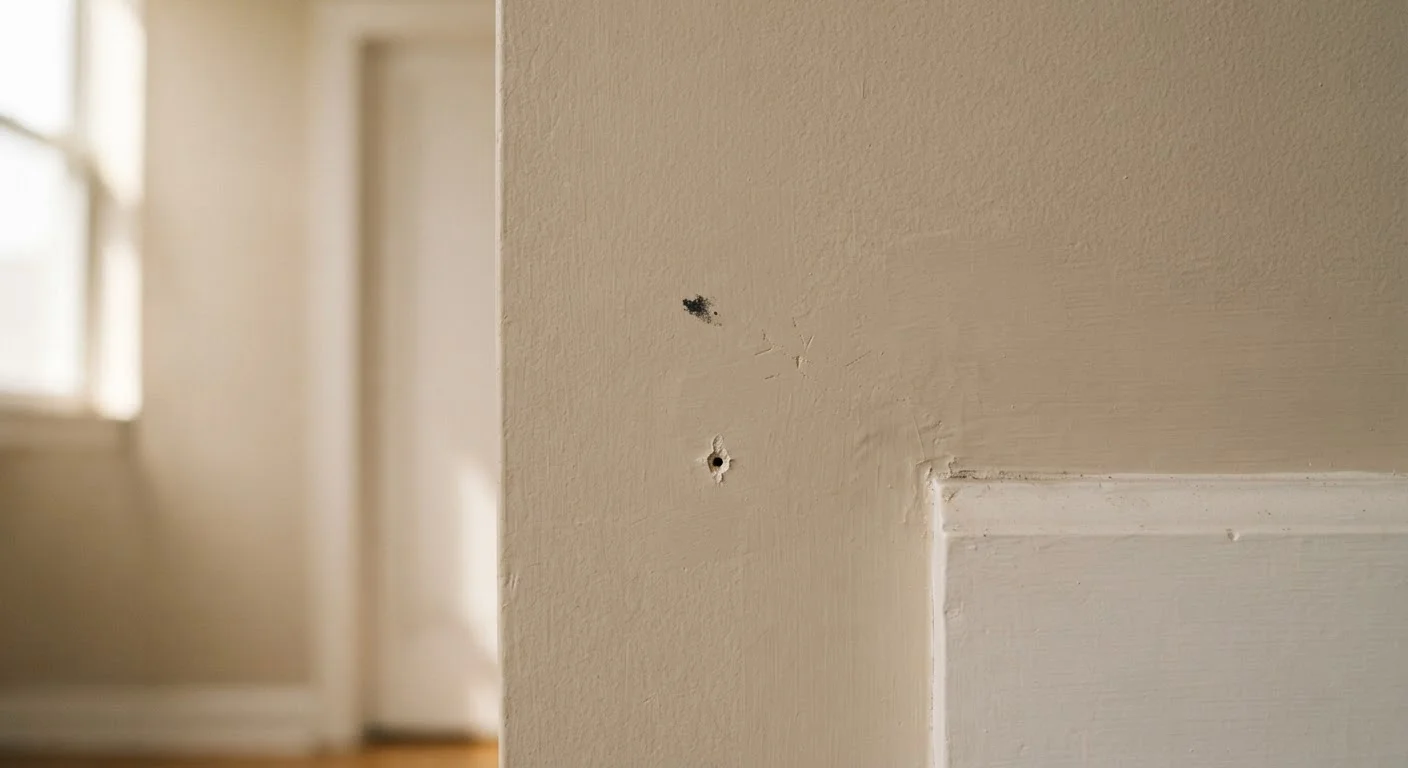
Minor scuffs and small nail holes from hanging pictures are generally considered normal wear and tear, not chargeable damage.
Walls endure everyday contact over the course of a tenancy. Light marks from furniture brushing against a surface, small holes left by a few picture hooks, and minor fading from sunlight are all expected outcomes of ordinary living. A landlord repainting between tenants is a routine maintenance cost, not a tenant's financial responsibility — provided the walls aren't left with large gouges, unauthorized colors, or extensive damage beyond what normal use would cause.
Myth
If a carpet is stained or worn when I move out, I automatically owe the cost of replacing it.
Fact
Only damage beyond what ordinary use would produce is chargeable. Gradual wear, light matting, and minor fading are expected over time.
Carpet wears down with use — that's inevitable. Thin traffic paths, light compression from furniture legs, and general fading from foot traffic and light are not damage. A large pet stain, a burn mark, or deeply embedded soiling that goes beyond ordinary use is a different matter. Courts and tenant advocates commonly distinguish between a carpet that simply aged through use and one that was left in worse condition than normal living would explain.
Myth
Landlords can charge for anything that needs fixing when I move out.
Fact
Landlords in most U.S. states are legally restricted to deducting only for actual damage, unpaid rent, or costs explicitly outlined in the lease.
Security deposit law in the vast majority of states prohibits deductions for normal wear and tear. Some states go further, requiring landlords to provide itemized statements with supporting receipts within a defined window — often 14 to 30 days. Failure to comply can result in the landlord forfeiting the right to make any deductions at all, and in some states, tenants can recover double or triple the wrongfully withheld amount. Knowing your state's specific rules is essential.
Myth
A broken appliance or fixture is always my problem to pay for as a renter.
Fact
Normal mechanical failure due to age and regular use is typically the landlord's maintenance responsibility, not the tenant's.
If a refrigerator compressor fails, a faucet washer wears out, or a window latch breaks through ordinary use, those are generally maintenance issues — not damage caused by the tenant. Tenants are responsible for damage they cause through misuse, neglect, or accidents. There is a meaningful difference between a cabinet hinge failing after years of normal use and a cabinet door that was ripped off its frame. The former is upkeep; the latter is damage.
Myth
Cleaning fees are always fair and non-negotiable at move-out.
Fact
Landlords can only charge cleaning costs necessary to restore the unit to the condition it was in at move-in — accounting for normal use.
If a unit was rented in a professionally cleaned state, a tenant is expected to return it reasonably clean — but not immaculate. Charging a steep professional cleaning fee against a tenant who left the apartment in ordinary, livable condition is a deduction worth questioning. Document the cleanliness of the unit at move-out with photos and, if possible, have a witness present during your walkthrough.
How Age and Condition Factor Into Responsibility
One concept renters rarely hear about is useful life — the expected lifespan of a building material or fixture. Carpet, for example, is generally considered to have a useful life of five to seven years. If a tenant moves out after four years and the carpet shows ordinary foot-traffic wear, the landlord cannot charge for full replacement. The carpet was already near end-of-life.
This principle matters because it shifts responsibility proportionally. If a tenant causes a stain on two-year-old carpet, they may owe a prorated share of replacement cost — not the full amount. Charging full replacement value for a depreciating item is a deduction worth challenging.
Don't Sign Away Your Rights at Move-Out
Some landlords present informal settlement agreements at move-out that ask tenants to accept a partial deposit refund and waive further claims. Signing such an agreement may limit your ability to dispute deductions later, even if they were unlawful. Read any document carefully before signing, and consider consulting a local tenant rights organization if you're uncertain.
If a landlord does withhold money you believe was improper, you have options. Our guide on disputing unfair security deposit deductions covers how to document your case and escalate if a landlord refuses to return what you're owed.
Protecting Yourself Before and After the Tenancy
The most effective protection is documentation created on day one. Take timestamped photos and video of every room, including inside cabinets, appliances, and closets. Note any existing scuffs, stains, or damage in writing on the move-in inspection form — and keep your copy. This creates a before-and-after record that is difficult for a landlord to dispute.
At move-out, repeat the process. Walk through with your landlord if possible, and request a written itemization of any deductions with receipts or estimates attached. Most states require landlords to provide this within a specific timeframe — typically 14 to 30 days after move-out.
Understanding wear and tear is just one piece of the renter knowledge picture. Coverage questions — such as whether renter's insurance covers accidental damage you cause — are equally worth understanding before an incident occurs. Our overview of renter's insurance coverage explains what policies typically do and don't include.
This article provides general educational information about landlord-tenant concepts and is not legal advice. Deposit laws vary by state and locality. Consult a qualified attorney or local tenant advocacy organization for guidance specific to your situation.