The Basic Rule: Notice Is Required in Most States
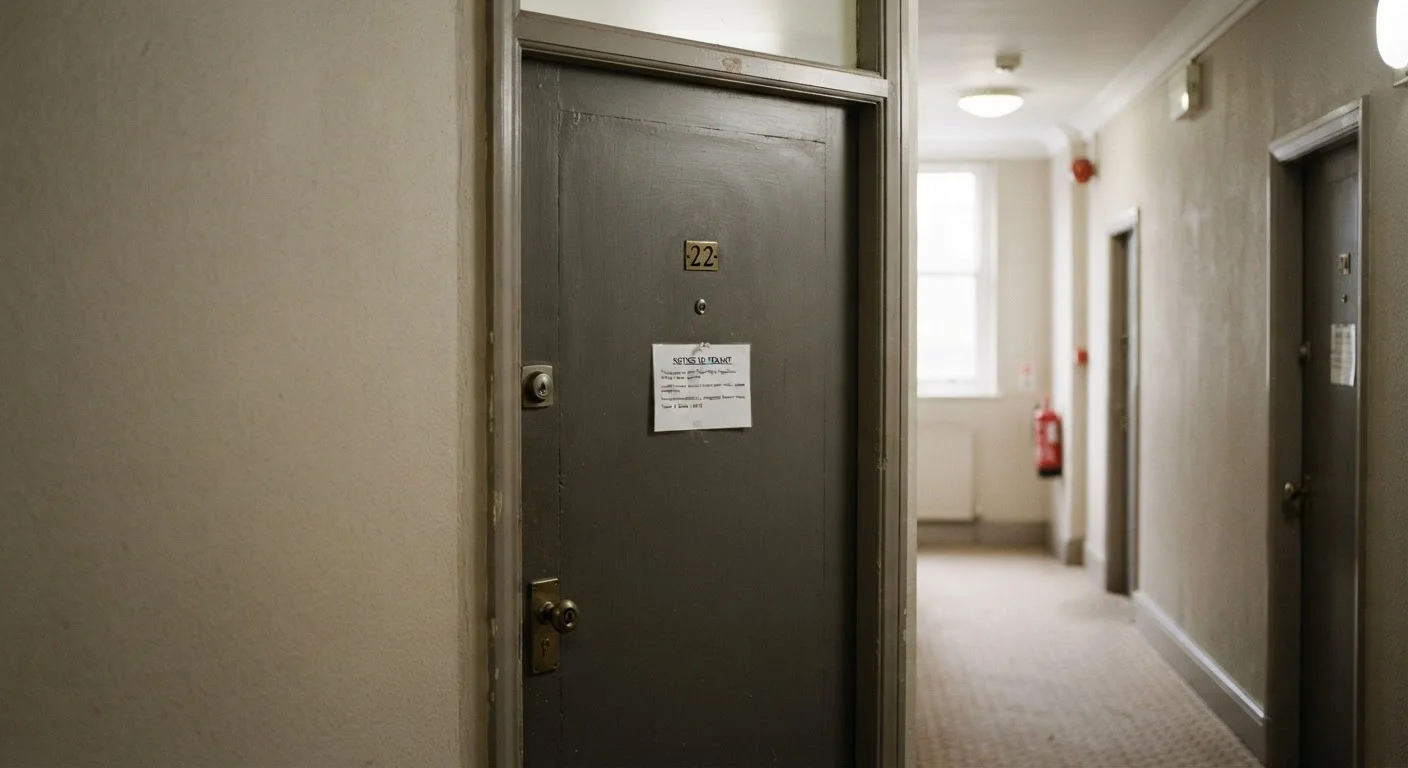
If you rent your home, you have a right to privacy — and most states back that up with law. The majority of U.S. states require landlords to give written advance notice, typically 24 hours, before entering a tenant's unit for any non-emergency reason. Some states require 48 hours. The notice must generally state the purpose and the intended time of entry during normal business hours.
This rule applies even when the landlord owns the property. Ownership does not give a landlord unlimited access once a lease is in place. The lease creates a tenancy, and with it, a legal expectation of quiet enjoyment — the right to use your home without undue interference.
To understand the full scope of your privacy protections alongside habitability rights and retaliation rules, see tenant rights that landlords don't always volunteer.
Save Notice Communications in Writing
Always communicate entry requests and your responses by email or text so you have a dated record. If your landlord calls to announce an entry, follow up with a brief email confirming the details. Written records are far more useful than verbal recollections if a dispute reaches a housing court.
When a Landlord Can Enter Without Notice
The notice requirement has a narrow but important exception: genuine emergencies. If a pipe bursts, a fire breaks out, or there is an active gas leak, a landlord or property manager does not need to wait 24 hours before entering. The same applies if the landlord has reasonable reason to believe a tenant is in danger and unresponsive.
Beyond true emergencies, some states allow landlords to enter without advance notice if the tenant has abandoned the property. A landlord cannot, however, use a vague "maintenance concern" as cover for an unannounced visit — courts have generally required the emergency to be real and immediate.
Additionally, many states allow shorter-than-normal notice windows when tenants have specifically requested repairs or agreed to a particular entry time. In that case, the tenant's own request functions as consent.
No Statutory Requirement Doesn't Mean No Rights
A handful of states have not codified a specific notice period for landlord entry. However, courts in those states may still apply a common-law "reasonable notice" standard. Check your state's landlord-tenant statute and consult a local tenant rights organization if yours does not specify a number of hours.
What to Do If Your Landlord Enters Without Notice
A single unauthorized entry may be an oversight. A pattern of them is a problem worth addressing formally. Here is a practical sequence:
- Document the entry. Write down the date, time, and what happened as soon as possible after it occurs.
- Send written notice to your landlord. A dated email works well because it creates a timestamp. State the facts plainly and reference your state's notice requirement.
- Review your lease. Look for any entry-related clauses, and compare them against your state's landlord-tenant statute. If your lease tries to waive rights the law gives you, those clauses are likely unenforceable.
- Contact a local tenant organization or housing attorney if the entries continue. Repeated violations may support claims for damages, lease termination, or injunctive relief depending on your state.
Protecting your privacy is connected to protecting your overall rental situation. Issues like unauthorized entry often surface alongside other landlord-tenant disputes. Our article on security deposit rules every renter should know also walks through how to document conditions and protect your interests throughout a tenancy.
Checking Your Lease and Your State Law
Your lease may contain an entry clause — read it carefully. Leases that require more notice than state law minimums are generally enforceable. Leases that try to reduce your rights below the legal floor typically are not. When in doubt, the statute wins.
You can find your state's landlord-tenant law through your state legislature's official website, your local housing authority, or a nonprofit tenant advocacy organization. Look specifically for sections titled landlord access, right of entry, or tenant privacy.
If you are approaching a new rental, it is worth reviewing entry policies before you sign. Our move-in checklist for new renters can help you catch potential issues with a lease before you are legally bound by it.
This article provides general legal information for educational purposes and does not constitute legal advice. Laws vary by state and locality. Consult a licensed attorney or tenant rights organization in your area for guidance specific to your situation.