
Why Habits Matter More Than Tactics
Managing debt well isn't about finding a clever trick or a one-time fix. It's about building reliable behaviors that hold up across months and years — through income changes, unexpected expenses, and shifting financial goals. The difference between debt that remains manageable and debt that compounds into crisis is almost always found in daily and monthly habits.
Understanding how each habit works — and why it matters — gives you a framework that applies regardless of how much you owe or what types of debt you carry. This article covers the core practices that financial educators and credit professionals consistently point to as durable, effective, and accessible. It is general financial information, not personalized advice; consult a licensed financial professional for guidance specific to your situation.
Core Debt Management Practices
The following habits are widely recognized across personal finance and credit counseling as foundational to responsible debt management. Each one addresses a specific risk or behavioral pattern that commonly leads borrowers into difficulty.
Pay every bill on time, without exception.
Payment history is the largest factor in most major credit scoring models, typically accounting for around 35% of a FICO score. Even a single 30-day late payment can cause a meaningful score drop that takes months to recover from. Consistent on-time payment also signals to lenders that you are a reliable borrower.
Keep credit card utilization below 30% of your available limit.
Credit utilization — the ratio of your current balances to your total credit limits — is a significant scoring factor and a signal of financial stress. High utilization can suggest over-reliance on credit even if you pay on time. Staying well under your limits demonstrates disciplined use.
Track your debt-to-income ratio regularly and keep it in check.
Your debt-to-income (DTI) ratio compares your monthly debt payments to your gross monthly income. Lenders typically prefer a DTI below 43%, and many set stricter thresholds for mortgage approval. Monitoring this figure prevents you from unknowingly taking on more debt than your income can support.
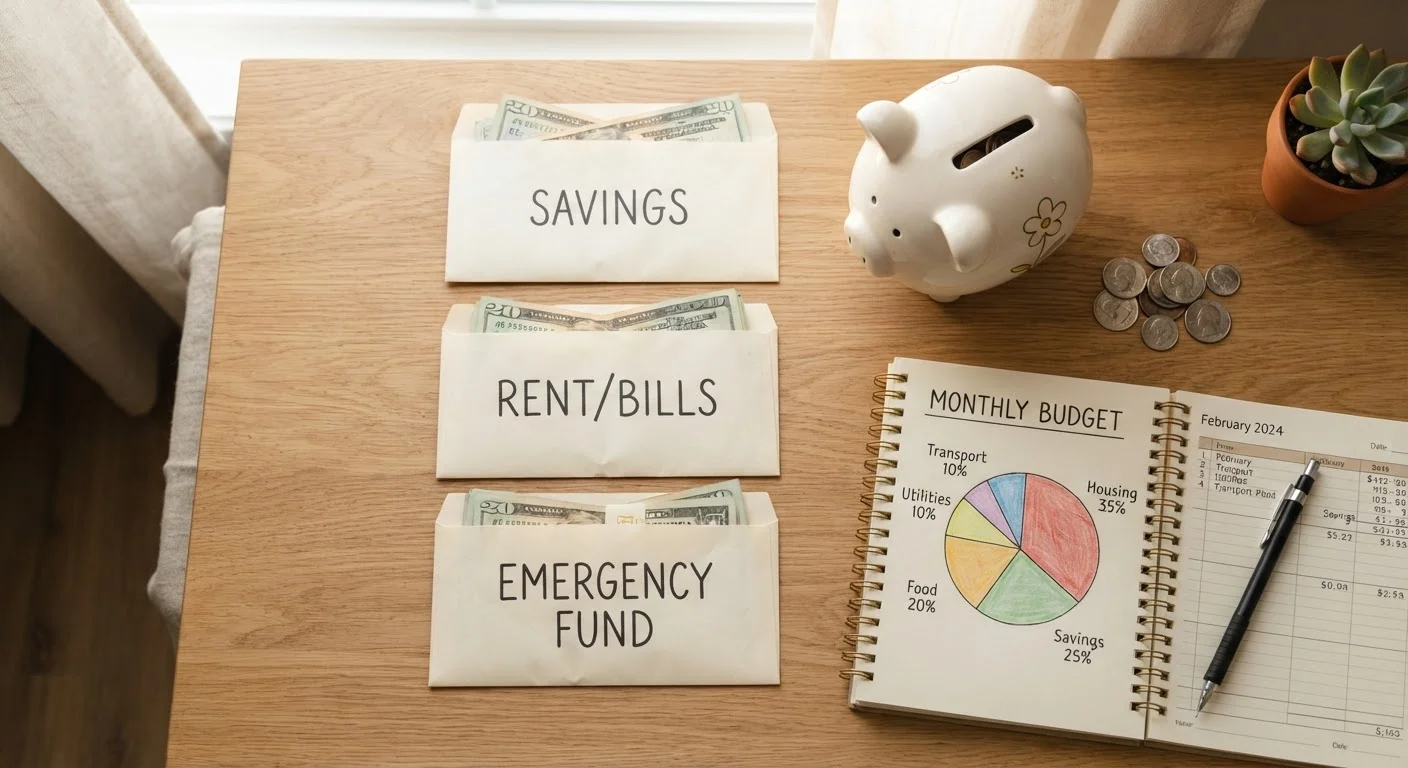
Maintain a small emergency fund even while paying down debt.
Without accessible savings, an unexpected expense almost always leads to new debt or a missed payment — undoing progress quickly. A modest emergency buffer, even $500 to $1,000, provides a circuit breaker between daily life and your debt repayment plan.
Review all your debts — balances, interest rates, and terms — at least quarterly.
Debt doesn't manage itself. Interest compounds, terms change, and introductory rates expire. Staying actively informed about where each account stands helps you prioritize payoff order, catch errors, and avoid being surprised by rate adjustments.
If you're unsure whether your current debt load is sustainable, reviewing the warning signs of unsustainable debt reliance is a useful starting point.
Quick Actions You Can Take This Week
Building better debt habits doesn't require overhauling your entire financial life at once. These focused actions can create meaningful momentum quickly — and each one reinforces the longer-term practices described above.
For a broader foundation, the Budgeting Basics hub offers practical strategies for tracking spending and keeping monthly cash flow aligned with your obligations.
The Longer View: Patience and Consistency Pay Off
One of the most common frustrations in debt management is that good behavior doesn't always produce instant results. If you've recently paid off a balance, you may notice your credit score doesn't jump immediately — and that's normal. The reasons why credit scores don't always rise right away include reporting cycles, account age, and credit mix changes, none of which are within your direct control.
Similarly, lenders don't just look at your credit score in isolation. Your debt-to-income ratio — the share of your gross monthly income that goes toward debt payments — is a separate metric they weigh heavily. Keeping that figure manageable over time is just as important as maintaining a clean payment history.
If you ever consider restructuring what you owe, it's worth understanding the trade-offs of debt consolidation before committing — consolidation can simplify payments but isn't the right move for every situation. And for a comprehensive view of how credit scores and debt interact, the complete credit and debt resource covers it all in one place.
This article is for general informational and educational purposes only and does not constitute personalized financial, credit, or legal advice. Speak with a qualified financial professional before making decisions about your debt or credit situation.