Two Chambers, One Congress
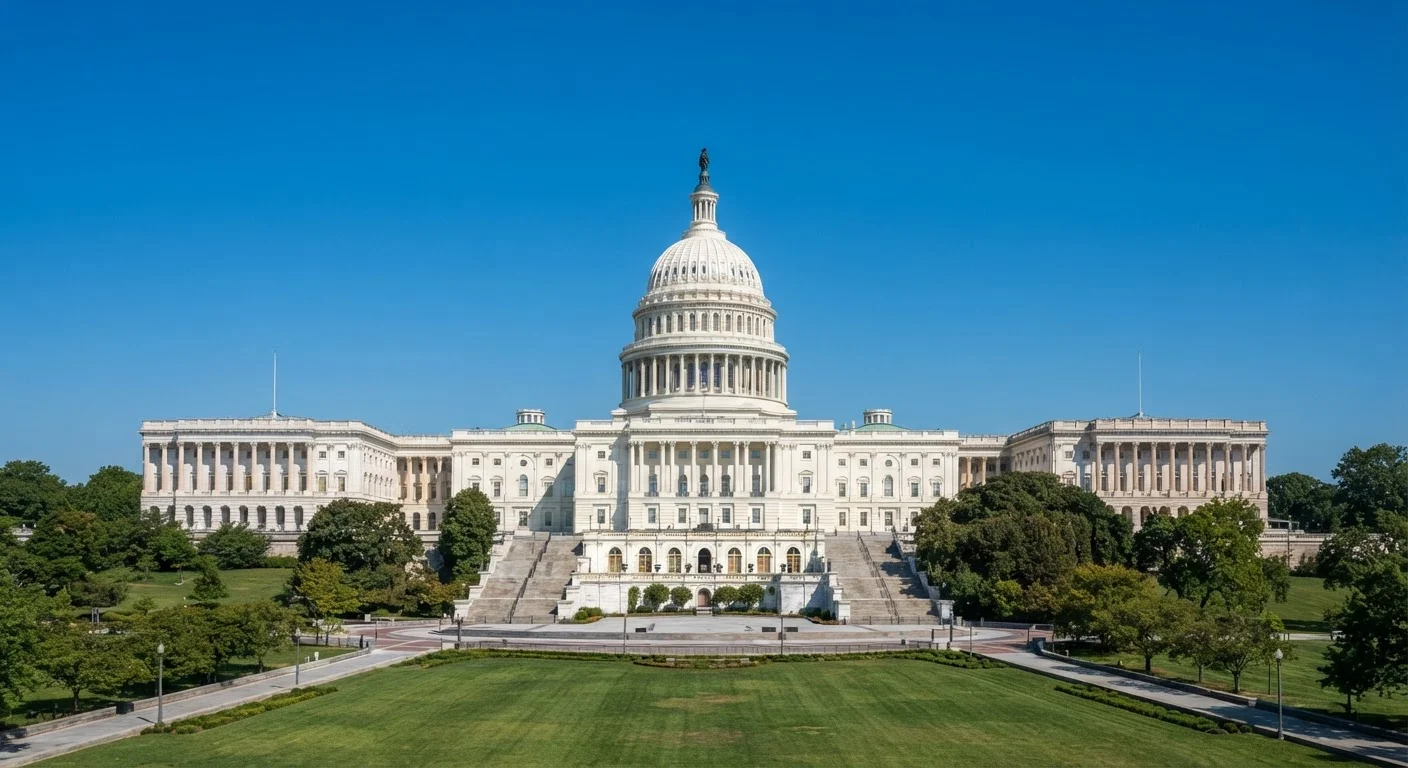
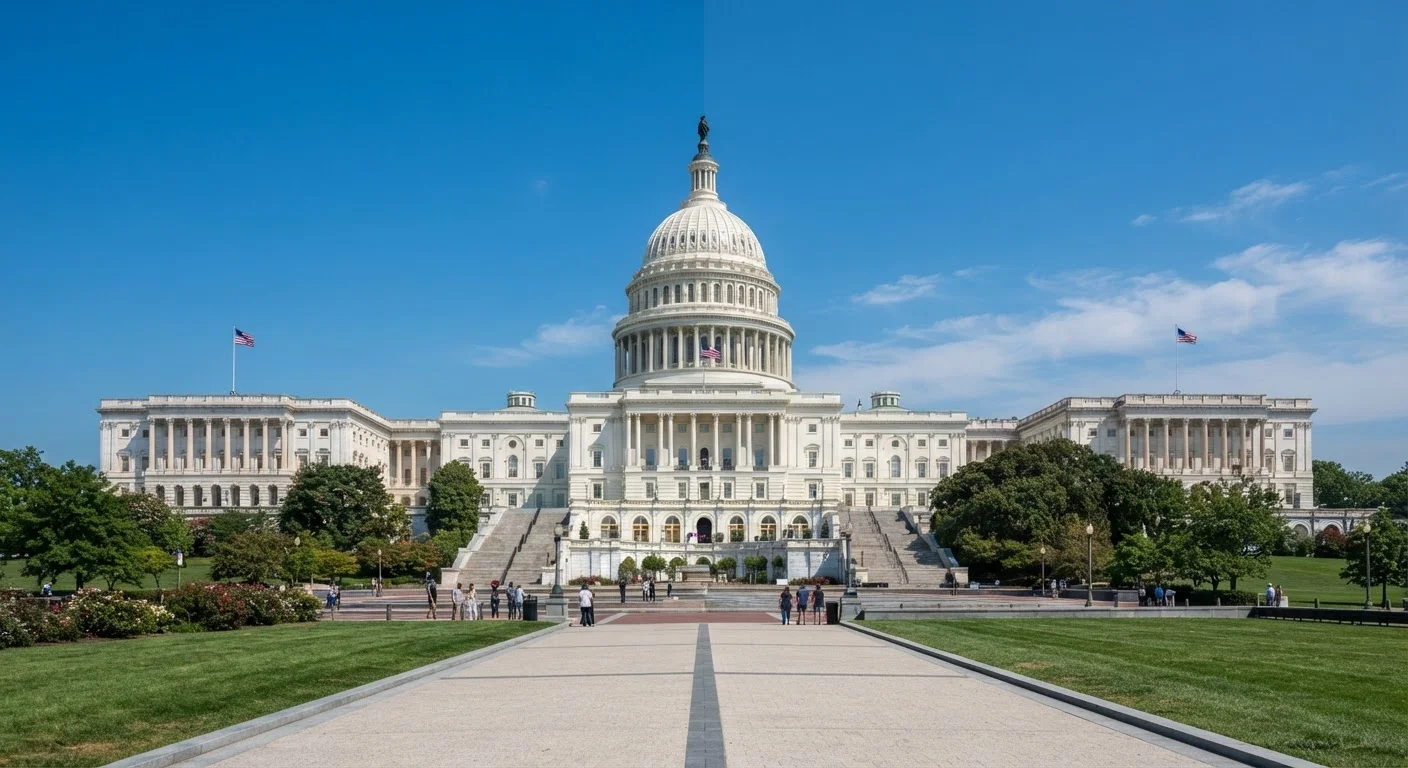
The United States Congress is bicameral, meaning it is divided into two separate legislative bodies: the Senate and the House of Representatives. Both chambers meet in the U.S. Capitol, both must approve legislation before it can become law, and both are elected by American voters. Beyond those shared traits, however, their structures, powers, and day-to-day functions diverge significantly.
The framers of the Constitution deliberately designed this split. Larger states wanted representation proportional to their populations; smaller states feared being outvoted. The result — often called the Great Compromise of 1787 — gave the House population-based representation and the Senate equal representation for every state, regardless of size.
Understanding which chamber does what helps explain why certain news stories unfold the way they do — whether that's a stalled spending bill, a contested judicial nomination, or an impeachment proceeding. See our full walkthrough of how a bill becomes law for the complete legislative journey both chambers share.
Structure and Membership
The Senate is composed of 100 members — two from each of the 50 states — who serve staggered six-year terms. Because only about one-third of Senate seats are up for election in any given election cycle, the chamber tends to carry more institutional continuity than the House.
The House of Representatives currently has 435 voting members. Each state receives at least one seat, with the remainder distributed according to population as measured by the decennial census. States like California and Texas hold dozens of seats; states like Wyoming and Vermont hold just one. House members serve two-year terms, meaning the entire chamber faces voters every election cycle.
| Criterion | Senate | House of Representatives |
|---|---|---|
| Total members | 100 (2 per state) | 435 (by population) |
| Term length | 6 years | 2 years |
| Originates revenue bills | No | Yes (constitutionally required) |
| Confirms nominees | Yes | No |
| Ratifies treaties | Yes (two-thirds majority) | No |
| Impeachment role | Conducts trial, votes to convict | Votes to impeach (bring charges) |
| Debate rules | Filibuster; 60 votes to end debate | Majority-controlled; limited debate |
This structural difference shapes each chamber's culture. The House, with its frequent elections and larger membership, tends to move more quickly and operates under tighter procedural rules controlled by the majority party. The Senate, with longer terms and a smaller membership, traditionally prizes extended debate and individual senator leverage.
Exclusive Powers: What Only Each Chamber Can Do
The Constitution reserves certain powers exclusively for each chamber — and these distinctions have real consequences for how federal policy is made.
Powers unique to the House
- Originating revenue bills: All legislation raising federal revenue must begin in the House under Article I, Section 7. This makes the House the starting point for tax legislation and, by convention, appropriations bills.
- Impeachment: The House holds the sole power to bring formal charges — called articles of impeachment — against federal officials, including the president.
Powers unique to the Senate
- Advice and consent: The Senate confirms — or rejects — the president's nominees for Cabinet posts, federal judgeships, and other senior positions. A simple majority is generally required for most nominees.
- Treaty ratification: International agreements negotiated by the executive branch require approval by two-thirds of the Senate to take effect.
- Impeachment trials: After the House impeaches an official, the Senate conducts the trial and votes on whether to convict and remove that person from office, requiring a two-thirds majority to do so.
These exclusive powers are central to the system of checks and balances. For a broader look at how the branches push back on one another, see how the separation of powers works in practice.
How Senate Rules Shape National Legislation
One of the most consequential differences between the two chambers is procedural: the Senate filibuster. Under longstanding Senate rules, most legislation requires 60 votes — not a simple majority of 51 — to end debate and move to a final vote. This threshold, known as cloture, means that a minority of senators can effectively block legislation even when a majority supports it.
The Filibuster Is Not in the Constitution
The filibuster is a Senate rule, not a constitutional requirement. It has been modified several times — most notably in 2013 and 2017, when the Senate changed the threshold for confirming most nominees from 60 votes to a simple majority. The 60-vote threshold still applies to most legislation. Senate rules can be changed by a majority vote of senators, a process sometimes called the 'nuclear option.'
The House operates under the rules of the majority. The Rules Committee can set strict limits on debate time and amendments, allowing the majority party to move legislation quickly. In the Senate, individual members retain far more ability to slow or complicate the process.
This procedural gap is one reason bills that pass the House with strong margins sometimes stall indefinitely in the Senate — a pattern that recurs across administrations of both parties.