What a General Home Inspection Actually Covers
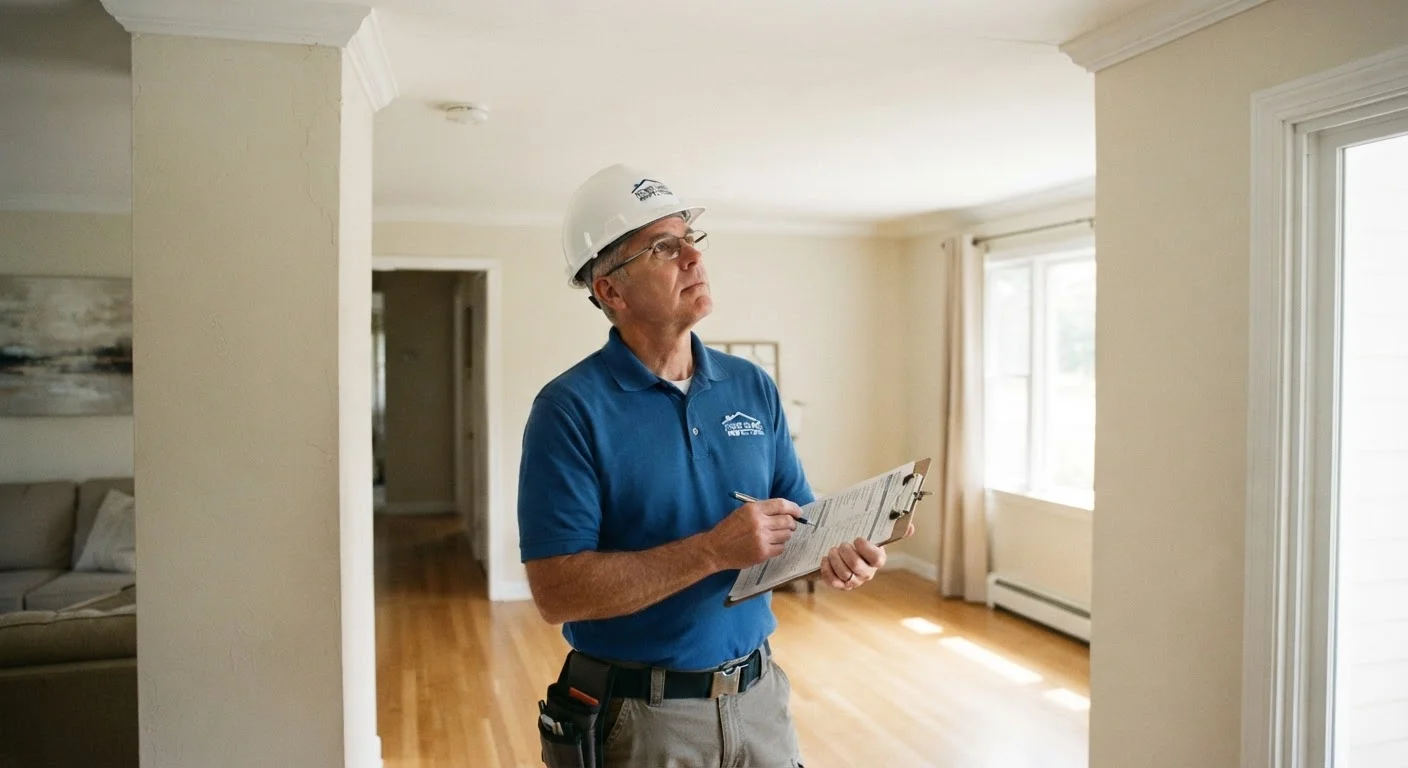
A licensed home inspector performs a visual examination of the property's major systems and structural components. "Visual" is the operative word — inspectors assess what they can see and safely access without moving furniture, opening walls, or dismantling equipment.
Standard scope typically includes:
- Structure: Foundation, framing, floors, walls, ceilings, and roof (from ground level or the roof surface if safely accessible)
- Exterior: Siding, grading, drainage, driveways, decks, and visible gutters
- Roofing: Covering material, flashing, chimneys, and skylights
- Plumbing: Visible pipes, fixtures, water heater, and functional flow and drainage
- Electrical: Service panel, visible wiring, outlets, switches, and grounding
- HVAC: Heating and cooling equipment, accessible ductwork, and thermostat function
- Insulation and ventilation: Attic insulation depth and airflow where visible
- Interior: Doors, windows, stairs, and visible finishes
The inspector operates each system under normal conditions — running faucets, switching breakers, cycling the HVAC — and notes anything that appears deficient, deteriorated, or potentially unsafe.
What Falls Outside the Inspector's Scope
Buyers are sometimes surprised to learn how much a general inspection does not cover. Understanding the limits upfront prevents false confidence — and helps you decide whether additional testing is warranted.
Common exclusions include:
- Hidden conditions: Anything behind drywall, under flooring, or inside sealed crawlspaces is inaccessible.
- Sewer lines: A general inspection doesn't include a camera scope of the lateral sewer line. Older homes with cast iron or clay pipes may need this separately.
- Mold and air quality: Inspectors may note visible moisture or suspect discoloration, but lab testing for mold or indoor air quality is a separate engagement.
- Radon: Radon testing requires dedicated equipment and is typically ordered as an add-on.
- Pests: Wood-destroying organism (WDO) inspections are performed by licensed pest control professionals, not general home inspectors.
- Pools and outbuildings: These may require separate specialist evaluations.
- Code compliance: Inspectors note conditions, not code violations. A home can have outdated electrical wiring that was legal when installed and still pass a general inspection.
For a deeper look at when additional permits or inspections become relevant to home projects, see our guide on permits and code.
Inspection Scope Varies by State and Inspector
Licensing requirements for home inspectors differ by state, and so does the minimum scope they're required to cover. Some states have no licensing requirement at all. Before hiring, confirm your inspector's credentials, professional association membership, and what their written scope of work includes. Ask for a sample report if you want to understand their reporting format before you commit.
How to Read the Inspection Report
Inspection reports range from a few pages to over 50, depending on the home and inspector's format. Most use a combination of condition ratings, photographs, and written descriptions. Here's how to navigate them effectively.
Understand the Rating System
Inspectors typically categorize findings as satisfactory, marginal (functional but showing wear), deficient (not functioning properly or a safety concern), or not inspected. The terminology varies by inspector, so read the report's legend or key first.
Prioritize by Safety and Cost
Not every flagged item is urgent. Separate findings into three mental buckets:
- Safety concerns — exposed wiring, carbon monoxide issues, missing guardrails. Address these regardless of who pays.
- Major systems — roof near end of life, aging HVAC, foundation cracks. These carry significant replacement costs and deserve negotiation attention.
- Maintenance items — caulk gaps, worn weatherstripping, minor grading. Normal wear that every home accumulates.
Don't Panic at Length
A long report doesn't mean a bad house. Inspectors are trained to document everything they observe, including minor wear. A ten-year-old home in good condition can produce a 40-page report. Focus on the severity and cost of findings, not the page count.
If your report leaves you unsure what repairs might actually cost, knowing when to call a professional can help you gauge the scope of what's involved.
Using the Report to Negotiate — and When to Walk Away
The inspection report is a decision-making tool, not just a document. After reviewing it, buyers typically have a few options depending on their purchase contract's inspection contingency terms.
Negotiation approaches include:
- Requesting that the seller make specific repairs before closing
- Asking for a price reduction or credit at closing to cover repair costs
- Accepting the home as-is if the issues are minor or already priced in
- Withdrawing from the contract if findings reveal problems that change the home's value or your comfort level
Whatever you decide, get repair estimates from licensed contractors before finalizing any negotiation position. An inspector can tell you what's wrong — a contractor can tell you what it will cost to fix it.
This article is for informational purposes only. Consult a licensed real estate professional, inspector, or attorney for guidance specific to your transaction and local requirements.