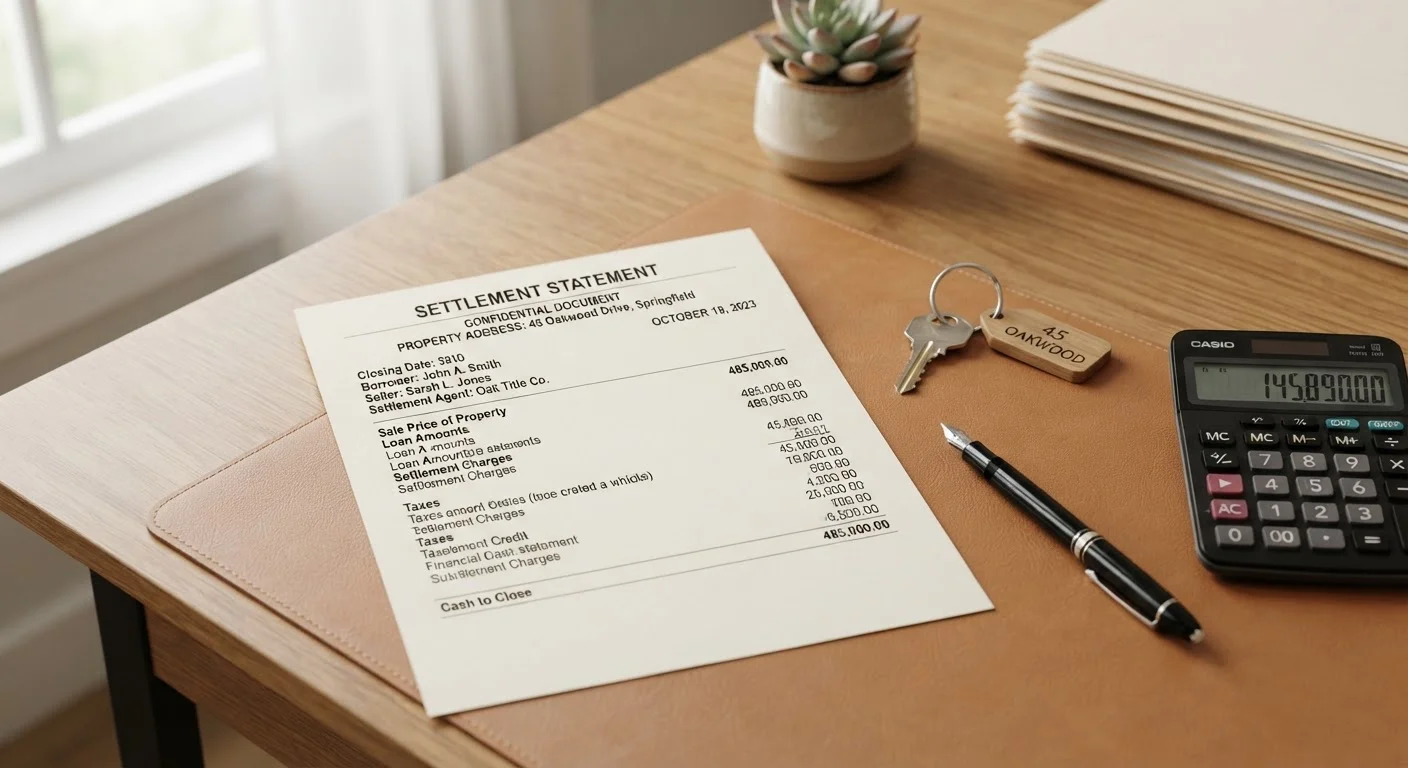
The Day You Close, the Responsibilities Begin
Signing the closing documents is a milestone — but it's also a handoff. From that moment, every cost, every repair, and every legal obligation tied to that property is yours. No landlord absorbs surprise expenses. No property manager schedules the HVAC inspection. The transition from renter to owner is real and immediate.
For a broader look at how ownership and renting compare before you commit, see our realistic comparison of renting vs. buying. Understanding the trade-offs ahead of time helps you enter ownership with accurate expectations rather than assumptions.
Build a Home Ownership Baseline Before You Close
Before closing day, request a final walkthrough and review the seller's disclosure documents carefully. Note the ages of major systems — roof, HVAC, water heater, appliances — so you can anticipate upcoming costs. Starting a dedicated maintenance fund from your first month of ownership puts you ahead of the most common first-year surprises.
Legal Ownership: What Title and Deed Actually Mean
When you buy a home, two documents define your ownership: the title and the deed. The title is the legal concept — it establishes who has the right to own and use the property. The deed is the physical document that records the transfer of that title from seller to buyer.
Owning the title means you can sell the property, rent it out, renovate it (within local rules), or leave it to heirs. It also means you are responsible if something goes wrong — a slip and fall on your icy front steps, a tree that falls on a neighbor's car, or a contractor who files a lien over an unpaid bill.
For a deeper look at how these documents work — and why title insurance matters — visit our guide on title, deed, and ownership documents.
~1–2%
Annual home maintenance cost estimate
A widely cited industry guideline suggests budgeting 1%–2% of a home's purchase price per year for maintenance, though costs vary significantly by home age and condition.
65.6%
U.S. homeownership rate
According to the U.S. Census Bureau, approximately 65.6% of U.S. households were owner-occupied as of recent annual estimates.
3–5%
Typical closing costs as share of purchase price
Buyers generally pay closing costs equal to roughly 3%–5% of the loan amount, covering lender fees, title services, prepaid taxes, and insurance — costs that begin on day one of ownership.
The Full Cost Picture: Beyond the Mortgage Payment
A mortgage payment covers principal and interest — and often property taxes and insurance through an escrow account (a holding account your lender manages to ensure those bills get paid). But even with escrow, homeownership carries additional costs that catch many new owners off guard.
- Property taxes: Assessed by your local government and subject to change. Rates and reassessment rules vary by state and county.
- Homeowners insurance: Covers damage from fire, wind, and other covered perils. Mortgage lenders require it; the coverage specifics are up to you and your insurer.
- Maintenance and repairs: Everything from replacing a water heater to fixing a leaky roof falls to you. Industry guidance often suggests setting aside 1%–2% of your home's value annually, though actual needs vary by age, condition, and climate.
- HOA fees: If you live in a community governed by a homeowners association, monthly or annual dues are typically mandatory. See our article on HOA membership rights and rules to understand what those fees cover and what the association can require of you.
For a candid breakdown of these ongoing costs, our piece on financial realities buyers often underestimate walks through the numbers renters rarely see coming.
What You Can — and Can't — Do with Your Property
Homeownership grants considerable freedom, but it isn't unlimited. Three layers of rules govern what you can do with your property:
- Local zoning laws dictate permitted uses — whether you can run a business from home, add an accessory dwelling unit, or build a fence above a certain height.
- Building codes set minimum safety standards for construction and renovation. Most significant work — electrical, plumbing, structural changes — requires a permit and inspection by a licensed official.
- HOA rules (where applicable) can restrict exterior paint colors, landscaping, parking, and short-term rentals. Violations can result in fines.
Skipping permits on regulated work isn't just a legal risk — it can create problems when you sell, since buyers' lenders and inspectors routinely flag unpermitted work. Always verify local requirements before starting a project. And if you're still weighing the ownership path, it's worth reading about common homeownership myths that trip up new buyers.
Building Equity — and Understanding Its Limits
Equity is the share of your home's value you own outright: market value minus your remaining mortgage balance. It grows in two ways — through your monthly principal payments and through appreciation in property value over time. Many people view equity as a key reason to buy rather than rent.
But equity has an important limitation: it isn't liquid. You can't spend it directly. To access it, you'd need to sell the home or borrow against it through a home equity loan or line of credit — both of which carry their own costs and risks. Market downturns can also reduce equity, sometimes below the original purchase price.
Ownership is a long-term financial commitment, not a guaranteed investment. For a clearer picture of what each housing path involves financially, see our guide to renting vs. owning trade-offs.
This article is for general informational purposes only and does not constitute financial, legal, or tax advice. Consult a qualified professional for guidance specific to your situation.