Why Sale Psychology Is Worth Understanding
Retail promotions are carefully constructed environments. Pricing strategies, display choices, and urgency cues are all designed to influence behavior — and they work, even on informed consumers. That doesn't mean sales are inherently deceptive or that discounts never represent genuine value. Many do. The issue is that several deeply ingrained beliefs about discounts lead shoppers to make decisions they later regret.
Understanding the mechanics behind promotional pricing isn't about becoming cynical — it's about building a more accurate mental model so that when a sale genuinely aligns with your needs, you can recognize it. And when it doesn't, you can walk away without feeling like you've missed out.
These myths appear across retail categories, from grocery aisles to car dealership lots. Recognizing the patterns helps in any context.
Myth
Buying something on sale means I'm saving money.
Fact
You only save money on a sale item if you would have purchased it at full price anyway — otherwise, you're spending money you hadn't planned to spend.
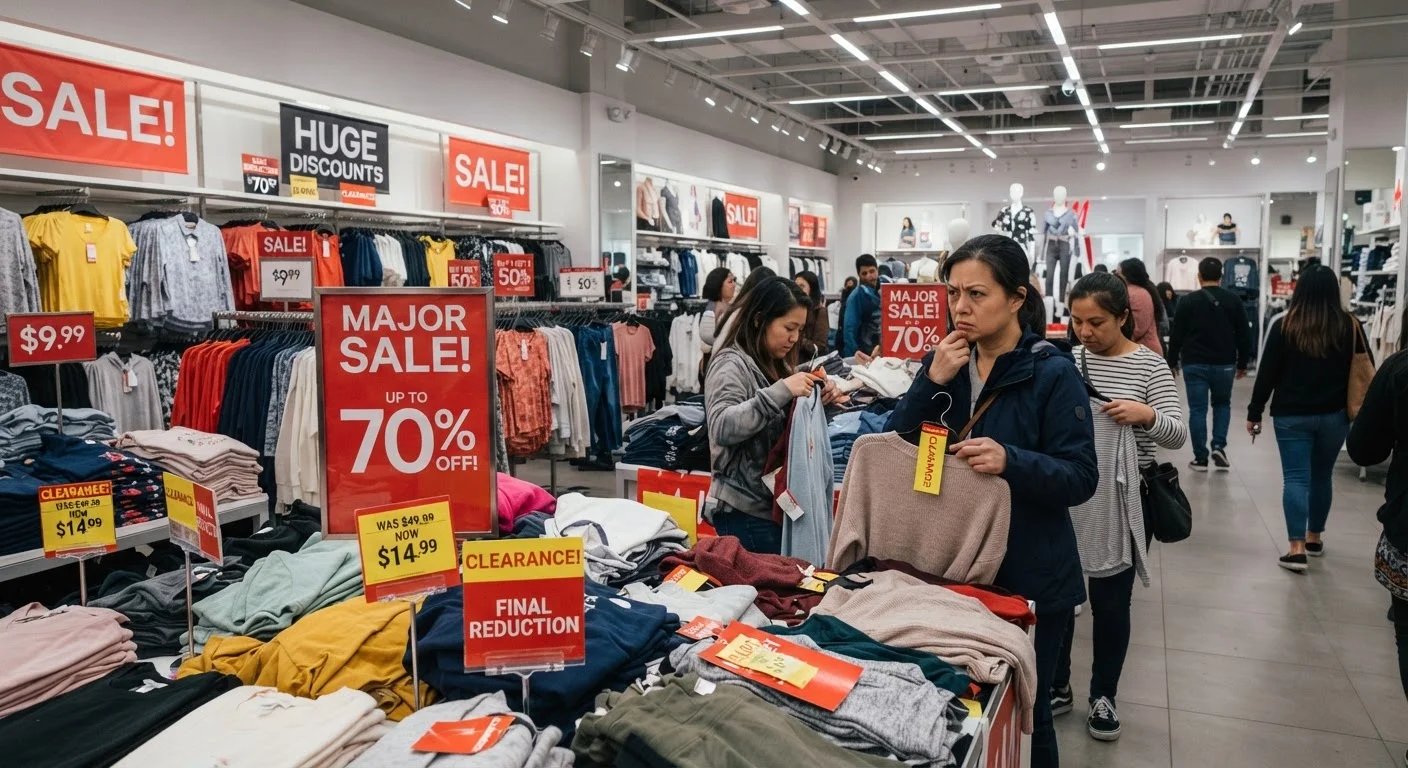
This is arguably the most persistent belief in consumer culture. The logic feels airtight: the item cost $80 before and $50 now, so you "saved" $30. But savings implies money retained in your pocket. If you weren't going to buy the item at $80 — or at all — spending $50 on it isn't saving anything. It's a $50 expenditure that wouldn't have happened otherwise.
Consumer researchers describe this as a framing effect: the word "sale" reframes a purchase as a gain rather than a cost. Recognizing this reframe is the first step to making purchase decisions based on need and value rather than perceived savings.
Myth
Bulk buying always saves money in the long run.
Fact
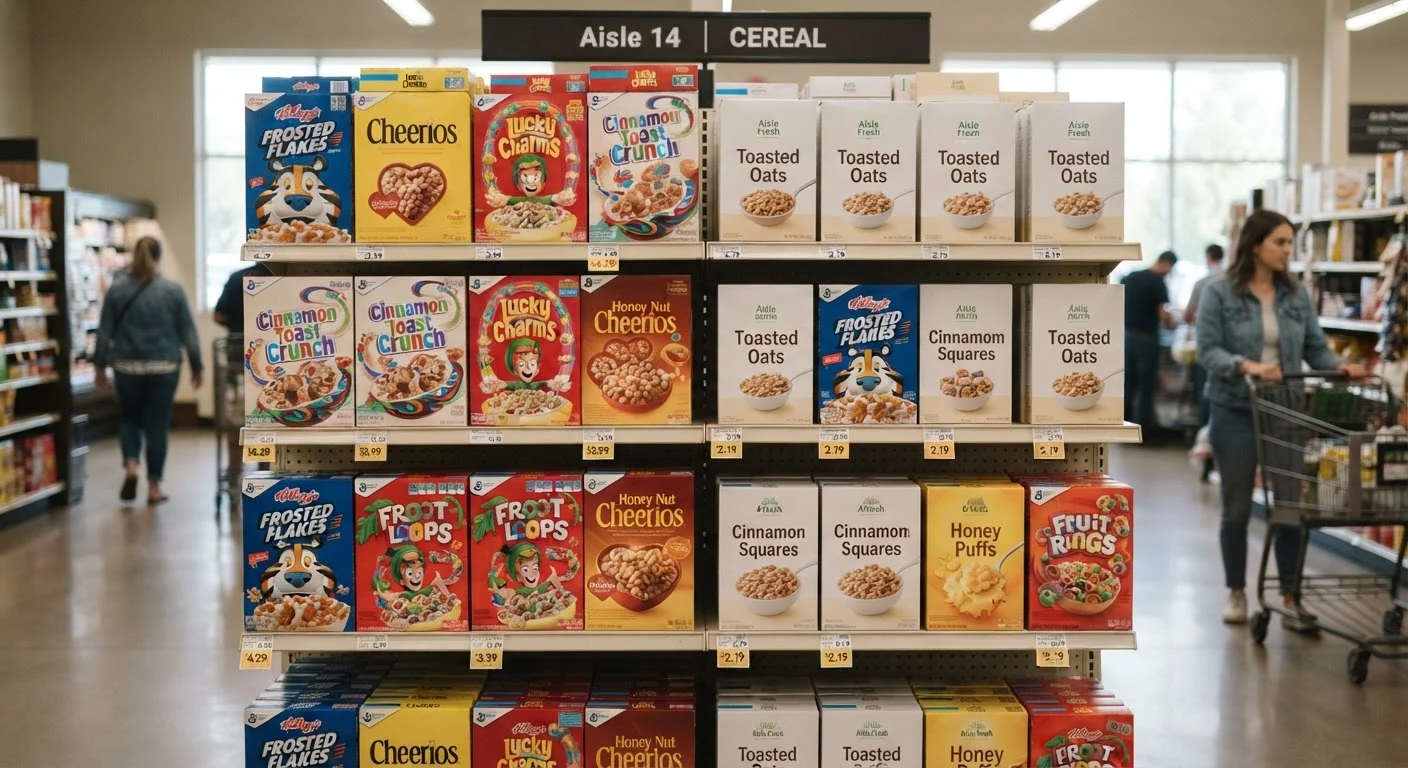
Bulk buying only produces savings when you use all of what you buy — waste, spoilage, and storage costs can easily erase any per-unit discount.
Warehouse-style retailers have built entire business models around the appeal of bulk pricing, and the math often does work out — for the right products. Non-perishable goods you reliably consume are genuine candidates for bulk savings.
But for perishable food, personal care products with expiration dates, or items tied to preferences that change over time, bulk purchases frequently result in waste. A lower cost per unit means nothing if you throw half the package away. Before buying in bulk, it's worth honestly evaluating your actual consumption rate and storage capacity.
Myth
The 'original price' shown on a sale tag reflects what the item normally costs.
Fact
Original or 'compare at' prices on sale tags are not always verified everyday prices — some retailers set reference prices specifically to make the discount look larger.
The practice of inflating a reference price to make a markdown look more dramatic is sometimes called reference price manipulation. Regulatory agencies in the U.S. have addressed this over the years, but enforcement is inconsistent and the practice remains widespread in varying degrees.
A useful habit: before buying something because it's "marked down," check whether the current sale price is competitive with what similar items sell for at other retailers. Price-comparison tools make this straightforward and take only a moment.
Myth
If a sale ends soon, I should act fast before I miss out.
Fact
Most retail promotions recur regularly — urgency messaging is a deliberate tactic to discourage comparison shopping and reflection.
Countdown timers, "only 3 left in stock" notices, and "ends tonight" banners are standard features of both physical retail and e-commerce. They leverage a well-documented psychological response: the perception of scarcity increases perceived value and creates pressure to decide quickly.
In practice, many promotional cycles repeat on predictable schedules — holiday weekends, seasonal clearance windows, and subscription renewal periods. An item on sale today is likely to go on sale again. Pausing to ask "what happens if I don't buy this right now?" is an effective counter to manufactured urgency. For a deeper look at online shopping tactics, see Building a Smarter Relationship With Online Shopping.
Myth
A higher original price means the product is better quality.
Fact
Price and quality correlate inconsistently across product categories — a high reference price signals neither manufacturing quality nor suitability for your specific use.
Psychological research on price perception has consistently found that people rate identical products as higher quality when a higher price tag is attached. Retailers understand this dynamic. A marked-up reference price doesn't just make a discount look more appealing — it also implies the product is premium.
Independent product testing organizations regularly find that mid-range items perform as well as or better than premium-priced counterparts in the same category. Evaluating actual specifications, verified reviews, and your specific requirements is a more reliable approach than using price as a quality proxy.
Applying a More Useful Framework Before You Buy
Rather than asking "is this a good deal?" — which anchors your thinking to the offered price — a more useful question is: "Would I buy this at this price if there were no sale framing around it?" That reframe removes the psychological pull of a reference price and forces an honest assessment of value versus cost.
A few additional questions that tend to short-circuit impulse decisions:
- Did I plan to buy this before I saw it on sale?
- Do I have a concrete use for it in the near term?
- Have I checked whether this price is genuinely competitive?
- What is the actual cost of waiting 48 hours before deciding?
These aren't meant to make shopping laborious — most routine purchases don't require this level of scrutiny. But for larger or unplanned purchases triggered by a sale, they're worth running through quickly.
Discount beliefs often overlap with broader money misconceptions. Budgeting Myths That Keep People Stuck covers related patterns in how people think about spending and saving that are also worth examining.
~40%
Of purchased sale items go unused or wasted
Consumer behavior research consistently finds that a significant share of promotional purchases are never fully used, particularly in food and apparel categories.
3x
Higher perceived value with inflated reference prices
Studies in behavioral economics show that identical products are evaluated as significantly more valuable when paired with a higher crossed-out reference price.