Why the Branded vs. Generic Question Is Worth Asking
The assumption that a higher price signals higher quality is one of the most durable — and most exploitable — instincts in consumer psychology. Retailers and manufacturers know it, which is why packaging language like "professional-grade" or "advanced formula" appears so frequently without regulatory definitions behind it. As explored in our guide on reading product label claims critically, marketing language on packaging is rarely regulated and often overstates real differentiation.
The truth is more nuanced than either brand loyalists or generic-first shoppers tend to acknowledge. In some categories, the branded option genuinely delivers something the generic cannot — proprietary formulations, tighter manufacturing tolerances, or regulatory pathways that take years to replicate. In others, the generic product rolls off the same production line as its pricier neighbor on the shelf.
Understanding which situation you're in — and why — is the core skill of a savvier shopper. The Savvy Buying Habits hub covers this mindset more broadly, but the branded-vs.-generic question is a useful lens to apply category by category.
Where Generics Consistently Hold Their Own
Several product categories have well-established track records where generic quality is genuinely comparable to name-brand equivalents.
Grocery Staples
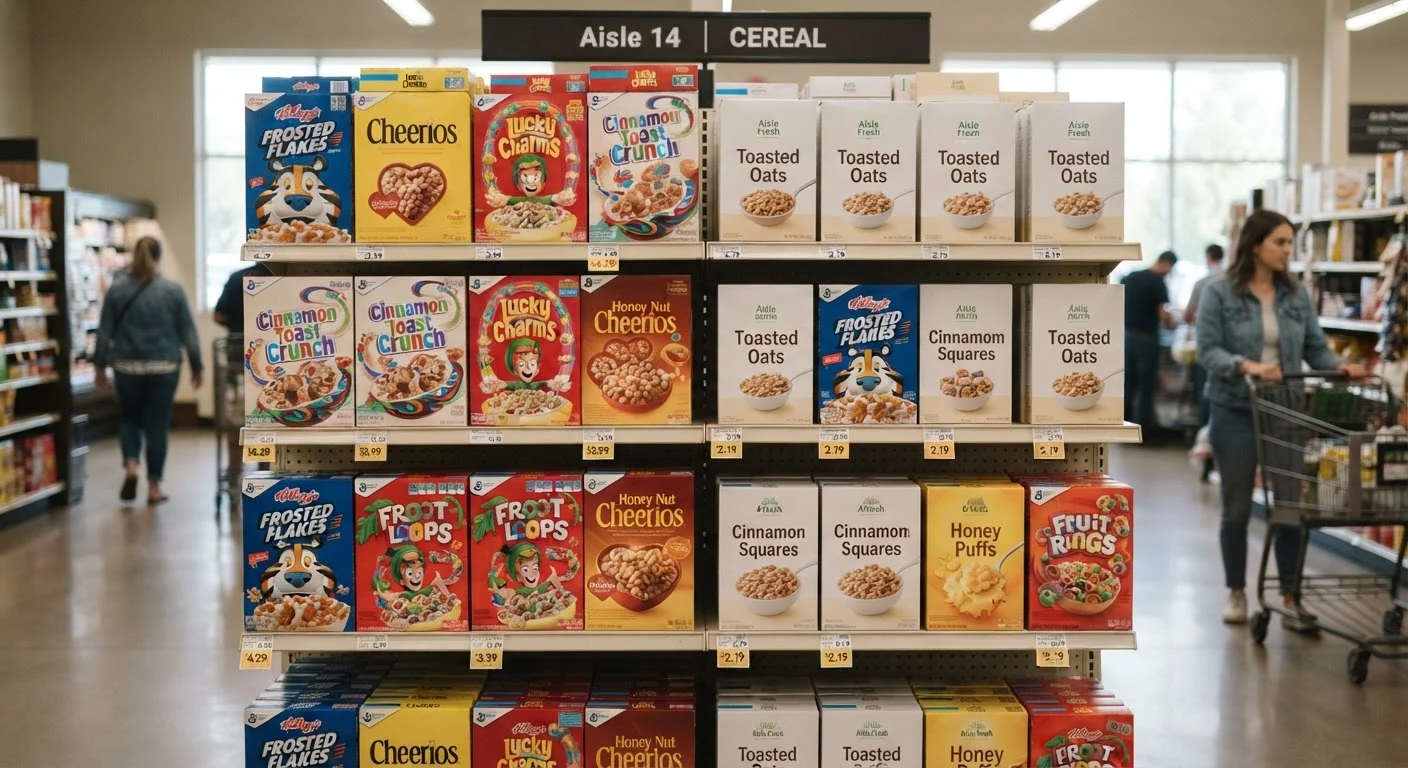
Sugar, flour, salt, rice, pasta, canned tomatoes, and frozen vegetables are commodity items. Their composition is standardized, their production is regulated, and taste-test research has repeatedly found that consumers cannot reliably distinguish store-brand versions from name brands in blind trials. The price difference in these aisles is almost entirely attributable to marketing spend and packaging, not ingredient quality.
Over-the-Counter Medications
In the United States, the FDA requires that generic drugs contain the same active ingredient in the same dosage and form as their branded equivalents, and must demonstrate bioequivalence — meaning they are absorbed into the body at the same rate and to the same extent. For common OTC products like pain relievers, antihistamines, or antacids, this regulatory equivalence is meaningful. That said, individual responses to inactive ingredients (binders, fillers, dyes) can occasionally vary, so consulting a pharmacist or physician before switching remains good practice.
Household Cleaning Products
Bleach is bleach at a given concentration. Most all-purpose cleaners share the same active chemistry. Consumer advocacy research has generally found store-brand cleaning products to be functionally equivalent to name-brand versions for routine household tasks.
| Criterion | Branded Products | Generic Products |
|---|---|---|
| Average price | Higher (includes marketing costs) | Lower (fewer overhead costs) |
| Grocery staples quality | Comparable to generic | Generally equivalent |
| OTC drug equivalence (FDA) | Reference standard | Must meet bioequivalence rules |
| Formulation transparency | More likely published | Less commonly disclosed |
| Warranty and support | Typically stronger | Varies widely |
| Third-party testing access | More often available | Less consistently available |
| Manufacturing origin | Proprietary or contracted | Often shared facilities |
Where the Brand Premium Often Earns Its Keep
Blanket skepticism of branded products is just as imprecise as reflexive brand loyalty. There are categories where paying more for a recognized name correlates with genuine, verifiable differences.
Electronics and Power Tools
In durability-dependent categories, brand reputation functions as a proxy for quality-control consistency, component sourcing, and after-sale support. Warranty terms, replacement parts availability, and published performance specifications matter more here than in any grocery aisle — and established brands are more likely to have third-party testing data on record.
Skincare and Personal Care Actives
When a product's value depends on the concentration and stability of active ingredients — such as retinoids, vitamin C derivatives, or exfoliating acids — formulation differences are material. The delivery system, pH level, and ingredient interactions affect how well an active compound performs. Generic personal care products in this space less commonly publish formulation data, making comparison more difficult.
Infant and Baby Products
For products where safety margins are narrow — infant formula, car seats, or baby food with specific nutritional targets — the regulatory scrutiny applied to established brands and the reputational consequences of failure create meaningful accountability. This is not to say generics are unsafe, but verifying compliance with applicable standards is especially important. Always consult a pediatrician when making decisions about infant nutrition.
It's also worth noting that brand loyalty itself is shifting. Research on whether brand loyalty is actually declining in America suggests consumers are more willing than ever to test alternatives — which creates both opportunity and the need for careful evaluation.
A Practical Framework for Evaluating Any Category
Rather than defaulting to one camp, a structured evaluation approach applies across virtually any purchase decision.
- Compare active ingredients or core specifications directly. For medications, check the active ingredient and dosage. For electronics, compare component specs. If they match, the case for a price premium weakens.
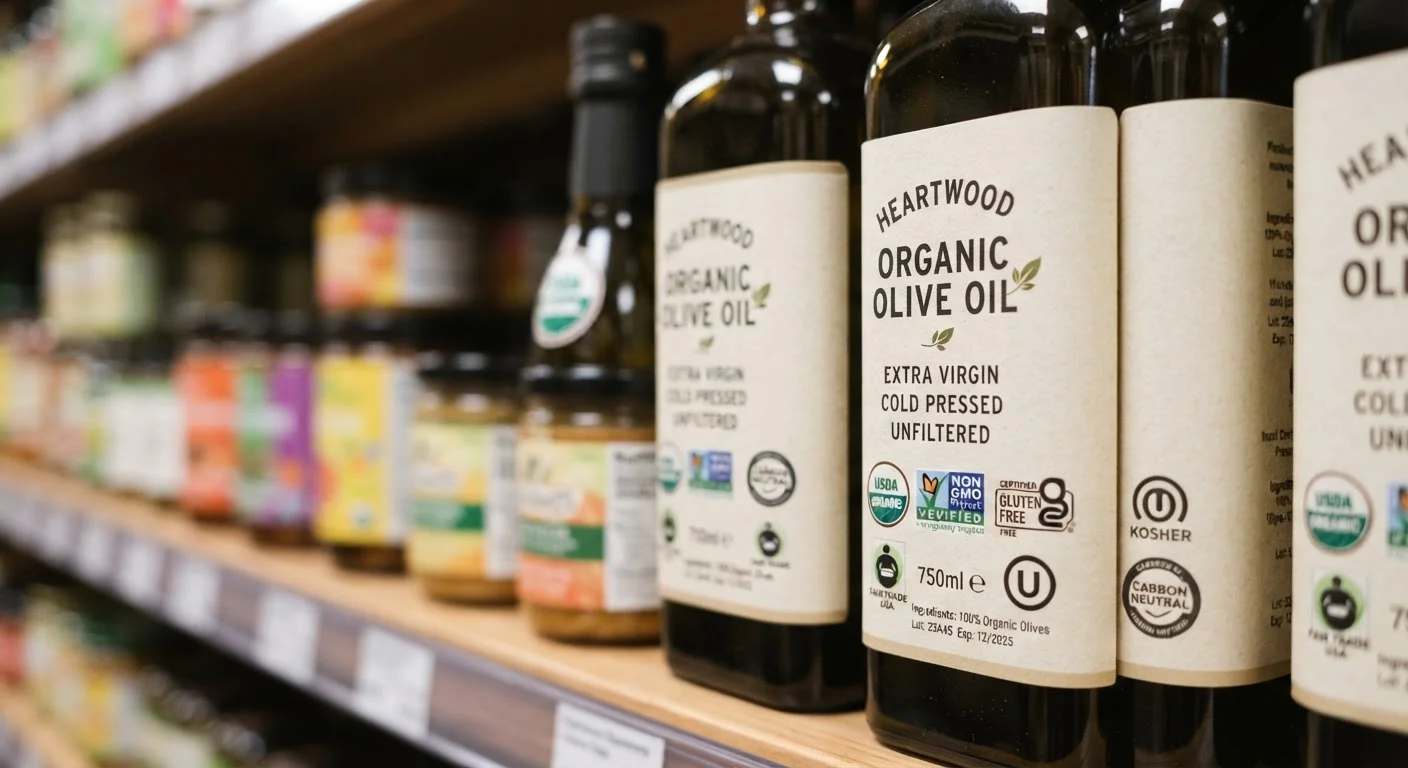
- Check for third-party certifications. Labels from recognized bodies carry more weight than unregulated marketing claims. Our guide to which certification labels actually mean something offers a useful reference.
- Assess the consequences of underperformance. A generic paper towel that's slightly less absorbent is a minor inconvenience. A generic car seat bracket that doesn't perform to specification is not. Risk tolerance should scale with stakes.
- Factor in category commoditization. The more standardized the production process and regulated the composition, the smaller the likely real-world difference between branded and generic.
Understanding the forces driving the surge in private-label product adoption can also help contextualize why generics have improved substantially in many segments over the past decade — quality investment by retailers has followed market share gains.
~25%
Average price gap: branded vs. store-brand groceries
Industry analyses of supermarket pricing have found store-brand grocery items typically cost 20–30% less than their name-brand equivalents across comparable categories.
90%+
Generic drugs as share of U.S. prescriptions dispensed
According to the FDA, generic drugs account for the vast majority of prescriptions filled in the United States, reflecting widespread acceptance of their regulatory equivalence.
80%
Private-label shoppers who plan to continue buying store brands
FMI – The Food Industry Association consumer research has found strong retention among shoppers who begin purchasing private-label products, particularly in grocery categories.