Why Certification Labels Are Not All Created Equal
Walk down any product aisle or scroll through online listings and you'll encounter dozens of logos, seals, and badges promising quality, safety, or environmental responsibility. Some of these marks are backed by rigorous independent testing and legal accountability. Others are essentially self-declared — marketing language dressed up as a credential.
Knowing the difference is a core part of evaluating what you're actually buying. As our guide on reading product labels critically explains, unregulated terms like "natural" or "premium" carry no enforceable meaning. Certifications exist on a similar spectrum — the key question is always: who issued it, what did they verify, and how?
| UL founding year | 1894 (Underwriters Laboratories) |
| ENERGY STAR program launch | 1992 (U.S. Environmental Protection Agency) |
| USDA Organic oversight body | USDA Agricultural Marketing Service (USDA National Organic Program) |
| OEKO-TEX certificate validity | 1 year (annual renewal required) (OEKO-TEX Association) |
| NSF International scope | Water, food equipment, supplements, and more (NSF International) |
Certifications With Established Verification Processes
Some certifications are widely recognized because they involve third-party audits, documented testing standards, and ongoing compliance requirements. These are the marks worth paying attention to.
- UL (Underwriters Laboratories): A safety certification organization that independently tests electrical and electronic products against established safety standards. Products carrying the UL mark have been tested to specific criteria — not just claimed to be safe.
- ENERGY STAR: A program administered by the U.S. Environmental Protection Agency. Products earn this label by meeting defined energy-efficiency benchmarks verified through testing. The criteria are published and updated periodically.
- NSF International: Certifies products — particularly water filters, food equipment, and dietary supplements — to public health standards. NSF conducts facility audits and product testing, and manufacturers must renew certification.
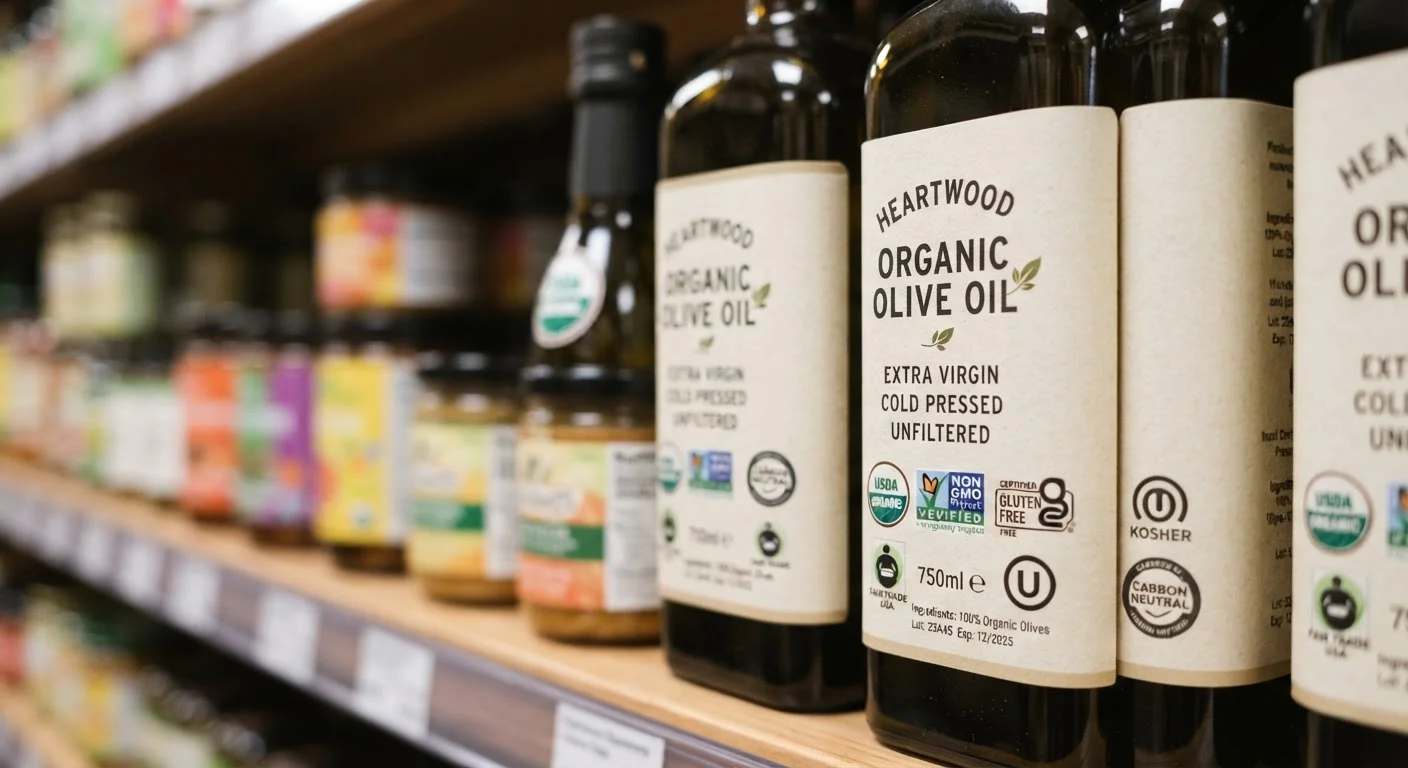
- USDA Organic: Governed by federal regulation, this certification requires farms and processors to meet specific production standards and undergo annual inspections by USDA-accredited certifiers. It is one of the more rigorously enforced labels in consumer goods.
- OEKO-TEX STANDARD 100: Tests textiles for harmful substances at every stage of production. Independent institutes conduct the testing, and certificates must be renewed annually.
What these labels share: an independent body sets the standard, conducts or oversees verification, and the manufacturer cannot simply self-apply the mark. Understanding how to read product specifications critically can help you match these certifications to what the numbers on a spec sheet actually measure.
Certifications That Warrant More Skepticism
Not all certification-style marks involve independent oversight. Some categories deserve closer scrutiny before you treat them as meaningful quality signals.
- Self-certified "eco" or "green" labels: Unless issued by a recognized third party (such as Green Seal or the Forest Stewardship Council), environmental claims may reflect a company's own definitions rather than verified outcomes.
- Industry-association seals: Some trade associations issue marks to members in good standing — which may mean little more than dues payment. Look up who issues the seal and what the requirements actually involve.
- "Tested" or "Inspected" language without a named body: These phrases are not inherently meaningless, but without identifying who conducted the testing and to what standard, they function closer to marketing copy than certification.
This mirrors what you'll find when examining physical build quality signals — the presence of a claim doesn't substitute for evidence of what was actually verified.
Third-party certification
Verification of a product or process conducted by an independent organization that has no financial stake in the outcome. This is distinct from self-certification, where a manufacturer evaluates and declares its own compliance.
Accreditation
Formal recognition that a testing or certification body meets established competence standards, typically granted by a recognized national or international authority. Accreditation adds a layer of oversight to the certification process.
Self-certification
A declaration made by a manufacturer that its product meets a particular standard, without independent verification. May reference real standards but relies on the manufacturer's own testing and reporting.
Compliance mark
A symbol indicating a product meets specific regulatory or safety requirements. Some compliance marks (such as FCC or CE) are required by law in certain markets; others are voluntary industry marks.
Audit cycle
The scheduled interval at which a certified facility or product is re-evaluated by the certifying body. Shorter or more frequent audit cycles generally provide stronger ongoing assurance of compliance.
How to Evaluate Any Certification You Encounter
When you see an unfamiliar seal, a short checklist helps you assess its credibility quickly:
- Identify the issuing organization. Search the organization's name independently — not from a link on the manufacturer's own site. Look for a published standard, audit process, or accreditation body.
- Determine whether testing is third-party or self-declared. Third-party certification means an entity with no commercial stake in the outcome conducted or supervised the evaluation.
- Check for renewal requirements. Certifications that require periodic re-testing or re-audit are generally more meaningful than one-time approvals.
- Verify the specific product or facility is listed. Many certification bodies maintain public databases. If a manufacturer claims a certification, you can often confirm it directly with the issuing body.
This same critical lens applies across product categories — from textiles and electronics to food and building materials. Whether you're evaluating material grades or assessing brand versus generic options, the underlying question is consistent: what evidence supports the claim?
Certification marks can be genuinely useful shortcuts — but only when you understand what they do and don't guarantee. Treat any seal as an invitation to verify, not a reason to stop asking questions.