The Big Picture: Two Countries, One Peninsula
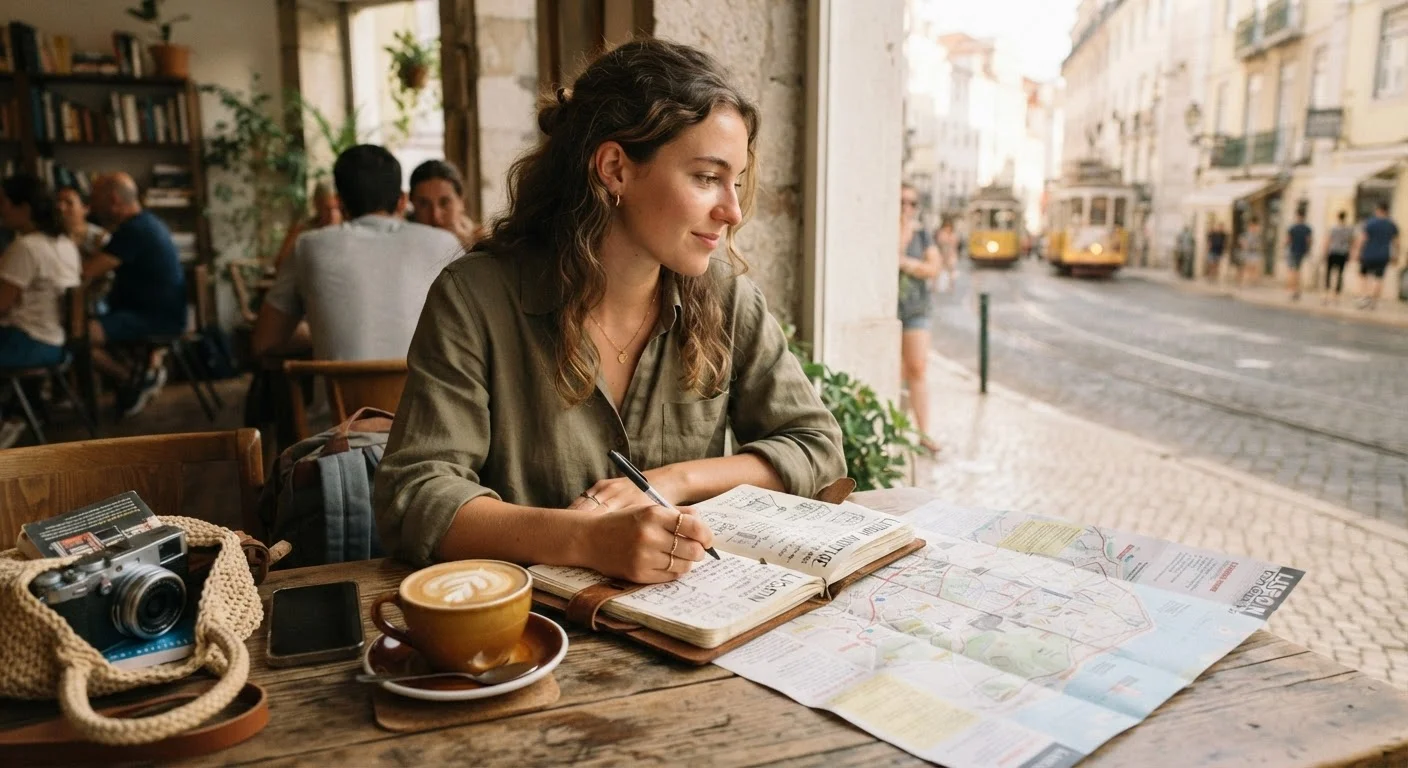
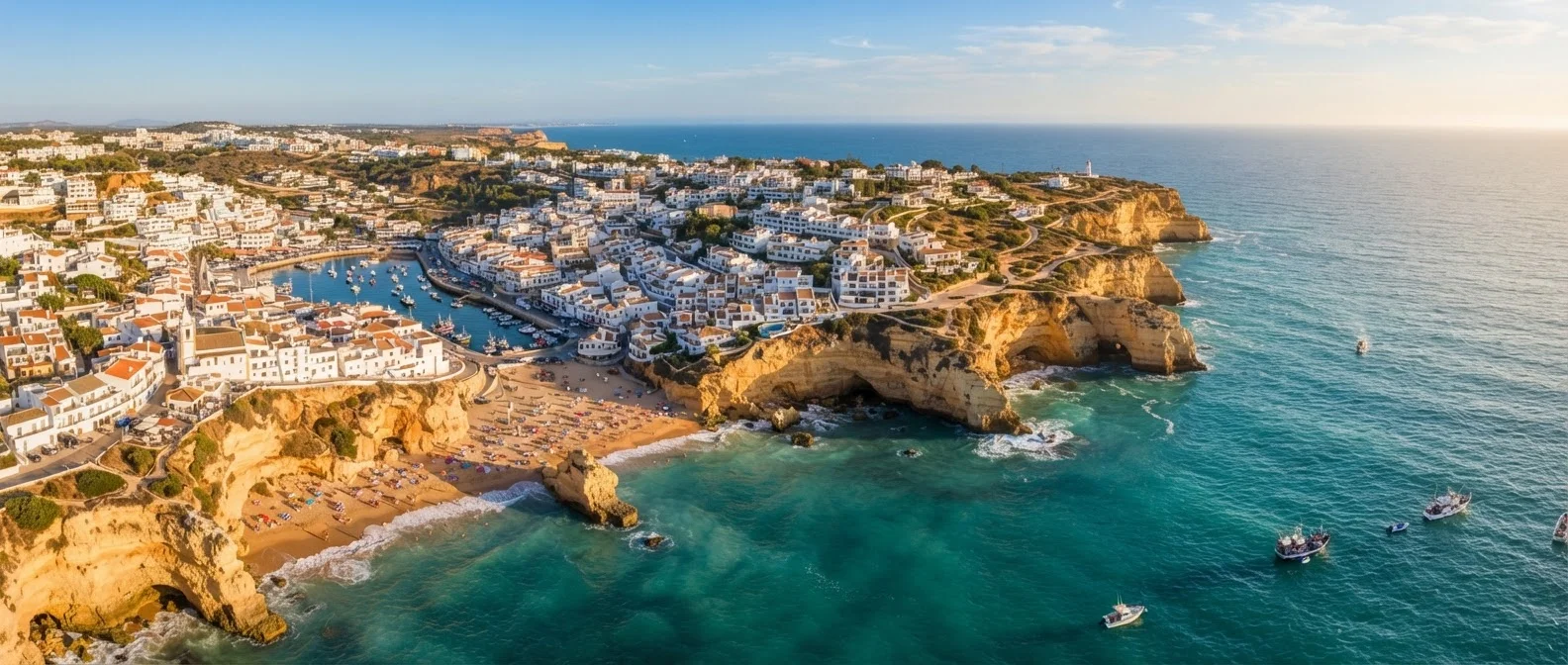
Portugal and Spain sit side by side on the Iberian Peninsula, yet stepping across the border feels like entering a genuinely different world. Portugal is compact — roughly the size of Indiana — with a melancholic soul shaped by centuries of seafaring history and a language that sounds nothing like Spanish. Spain is vast, spanning dramatically different climates and cultures from the Basque Country to Andalusia, with a population nearly five times larger.
The practical upshot: Portugal is easier to see thoroughly in a shorter trip, while Spain demands either more time or some tough regional choices. Neither country is a "starter" version of the other — they each offer something the other simply doesn't.
| Portugal | Spain | |
|---|---|---|
| Country Size | Compact (≈ Indiana) | Very large (≈ Texas x2) |
| Relative Daily Cost | Generally lower outside Lisbon/Porto | Varies widely by region |
| Cultural Diversity | Cohesive national identity | Intensely regional, multilingual |
| Food Scene | Seafood-focused, ingredient-driven | Enormously varied by region |
| Ease of Navigation | Train/bus covers most highlights | Flights often needed for long distances |
| Ideal Trip Length | 1–2 weeks covers a lot | 2+ weeks recommended for variety |
Cost and Daily Budget
Portugal has historically been one of Western Europe's more affordable destinations, though Lisbon and Porto have seen significant price increases as tourism has surged. Outside those two cities — in places like the Alentejo, the Douro Valley, or the interior Algarve — daily costs remain genuinely manageable. Expect meals, accommodation, and transport to run noticeably less than equivalent experiences in Madrid or Barcelona.
Spain's costs vary dramatically by region. The Basque Country and the Balearic Islands skew expensive, while rural Extremadura or inland Castile can be quite affordable. Budget travelers willing to plan carefully can find great value in Spain, but major cities on peak-season weekends will test any wallet.
Culture, Language, and Atmosphere
Portuguese culture carries a reflective, unhurried quality — locals often describe it through the concept of saudade, a bittersweet longing that permeates everything from Fado music to everyday conversation. The country feels simultaneously proud of its maritime past and quietly content with its present scale. English is widely spoken in tourist areas, making navigation easy for American visitors.
Spain's cultural identity is intensely regional. A trip to Seville, Barcelona, and San Sebastián can feel like visiting three different countries — each with distinct architecture, culinary traditions, local pride, and in some cases, its own language. That variety is part of Spain's magic, but it also means you'll need more time to feel like you've truly experienced it. Spanish people tend to be warm and socially expressive, and the late-night rhythm of Spanish daily life — dinner at 9 p.m., streets alive past midnight — is an experience in itself.
Food and Drink
Portuguese cuisine is built around the sea: bacalhau (salt cod prepared dozens of ways), grilled sardines, fresh shellfish, and pastéis de nata (custard tarts) that have been copied everywhere and perfected nowhere else. Wines from the Douro and Alentejo regions are world-class and typically underpriced compared to their quality. The dining culture is simpler and less theatrical than Spain's, but the quality of fresh ingredients consistently shines through.
Spain's food scene is one of the most celebrated on earth. Pintxos bars in San Sebastián, paella along the Valencian coast, tapas in Seville, avant-garde tasting menus in Catalonia — the range is staggering. Spain also holds an extraordinary concentration of Michelin-starred restaurants, though you certainly don't need a reservation at one to eat extraordinarily well. Both countries pair food culture with a relaxed, social approach to eating that American visitors often find refreshingly unhurried.
Practical Logistics: Getting Around
Portugal's compact size makes it genuinely easy to navigate by train and bus, with Lisbon and Porto serving as natural hubs. Renting a car unlocks the countryside beautifully — driving distances are short and roads are generally good. The country's smaller scale means less time in transit and more time actually experiencing places.
Spain's size makes domestic flights a practical necessity if you want to cover significant ground. High-speed rail (AVE) connects Madrid to cities like Seville, Barcelona, and Valencia with impressive speed, but tickets should be booked in advance. Road trips work well in regions like Andalusia or Galicia, but crossing from one end of Spain to the other by car is a multi-day commitment.
Always verify current entry requirements, visa rules, and travel advisories through official government sources before booking any international trip. Conditions can change.