
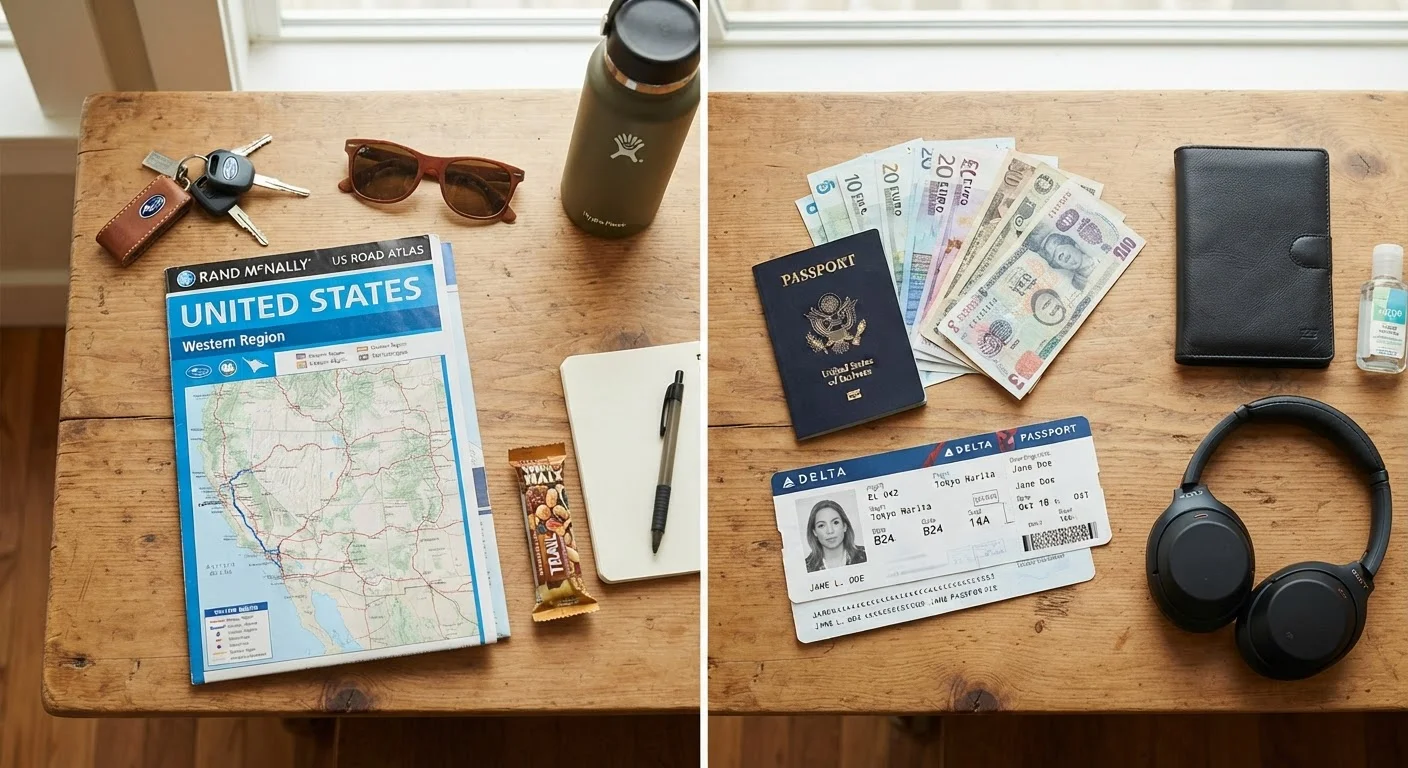
The Core Difference: Documentation and Entry Requirements
The single biggest dividing line between domestic and international travel is what you need to show at the border — or whether there's a border at all. When you're traveling within the United States, a government-issued ID is typically all you need to board a domestic flight or cross state lines. No expiration date looming over your itinerary, no visa appointment to schedule.
Go international, and the landscape shifts considerably. A valid U.S. passport is the baseline requirement for most countries, and many nations require that your passport remain valid for at least six months beyond your planned departure date. On top of that, dozens of countries require visas — some issued on arrival, some requiring weeks of advance application. Our visa types and entry requirements reference guide breaks down what American travelers need to know before submitting any application.
The practical takeaway: for domestic trips, documentation is essentially a non-issue. For international trips, it's the first thing to address — ideally three to six months before departure. Always verify entry requirements directly through the destination country's official embassy or consulate, and cross-check with the U.S. State Department's travel pages, since requirements can change.
| Criterion | Domestic Travel | International Travel |
|---|---|---|
| ID/Documentation | Government-issued ID | Passport + possible visa |
| Planning Lead Time | Days to weeks | Months (3–6+ recommended) |
| Currency | USD, no conversion needed | Foreign currency, exchange rates apply |
| Health Prep | Minimal for most trips | May require vaccines or travel clinic visit |
| Health Insurance Coverage | Standard U.S. coverage applies | Coverage may be limited abroad |
| Communication | No language barrier | Possible language differences; translation tools help |
| Emergency Support | Familiar 911 system | Local emergency numbers vary; U.S. embassy support available |
| Budget Predictability | High — familiar pricing norms | Lower — exchange rates and fees add uncertainty |
What Stays the Same: The Transferable Planning Skills
Here's the encouraging truth: the foundational skills behind any good trip plan don't change based on whether you're heading to Nashville or Naples. Research, timing, and flexibility matter equally in both contexts.
Booking windows, for instance, follow similar logic on both sides of the border. Flights — domestic or international — tend to reward travelers who book several weeks to a few months in advance, though international routes generally require a longer runway. The question of how much to pre-book versus leaving open applies to both, and our guide on pre-booking versus staying flexible walks through the real tradeoffs.
Seasonality is another equalizer. Whether you're visiting peak-season Yellowstone or peak-season Rome, crowd levels, pricing, and availability follow predictable rhythms. Understanding peak versus shoulder season tradeoffs can help you make smarter timing decisions regardless of destination.
Packing strategy also transfers. Core principles — pack versatile layers, protect important documents, bring a small first-aid kit — apply universally. The specifics shift (international trips may require adapters, prescription medication documentation, or destination-specific gear), but the underlying mindset doesn't.
Budgeting: Where the Complexity Multiplies Internationally
Domestic budgeting is relatively straightforward: flights or gas, lodging, meals, and activities — all priced in U.S. dollars with no conversion math required. Credit cards generally work without issue, tipping norms are familiar, and surprise charges are easier to anticipate.
International budgeting introduces several additional variables. Currency exchange rates fluctuate, meaning what you budget today may not reflect what you actually spend in three months. Foreign transaction fees can quietly add one to three percent to every card purchase if your card doesn't waive them. ATM access varies significantly by destination — some places are largely cash-based, while others have moved heavily toward card payments.
6+ months
Passport validity many countries require beyond your travel dates
Many destination countries mandate this buffer; check requirements well before booking according to the U.S. State Department.
1–3%
Typical foreign transaction fee on cards without fee waivers
This per-purchase fee is added by many U.S. card issuers on international transactions; card terms vary widely.
3–6 months
Recommended lead time for visa-required international destinations
Processing times vary by country and application volume; some visas require significantly longer processing windows.
Health coverage is another budget wildcard internationally. Standard U.S. health insurance often provides limited or no coverage abroad, which means many international travelers consider supplemental travel insurance — though coverage, cost, and exclusions vary widely by provider and policy. Review your existing coverage carefully before departure and consult your insurer about what applies overseas. For a fuller look at what else demands attention before your first international trip, see our complete first-time international travel guide.
Health, Safety, and Contingency Planning
For domestic travel, health and safety planning is fairly minimal for most trips: know where the nearest urgent care is, keep emergency contacts accessible, and have a plan if your flight gets canceled. Most travelers don't think twice beyond that.
International travel raises the stakes. Some destinations require or strongly recommend specific vaccinations, and certain regions carry health risks that warrant consultation with a travel medicine clinic before departure. The CDC and your personal healthcare provider are the right resources here — this is general guidance, not medical advice, and what's appropriate for your situation depends on your health history and destination specifics.
Safety planning also deepens internationally. Knowing how to reach your country's nearest embassy or consulate, registering your trip with the Smart Traveler Enrollment Program (STEP), understanding local emergency numbers, and having offline maps downloaded are all habits that carry little cost but significant value. The international travel planning walkthrough covers these contingency layers in detail.
For any trip — domestic or international — a solid planning framework helps ensure you've thought through the what-ifs before they become real problems on the road.
This article is for general informational and educational purposes only. Entry requirements, health recommendations, and travel conditions change frequently. Always verify visa and passport requirements with official government sources, and consult a qualified healthcare professional regarding vaccinations or medical needs before traveling.