
Passports, Visas, and Entry Requirements
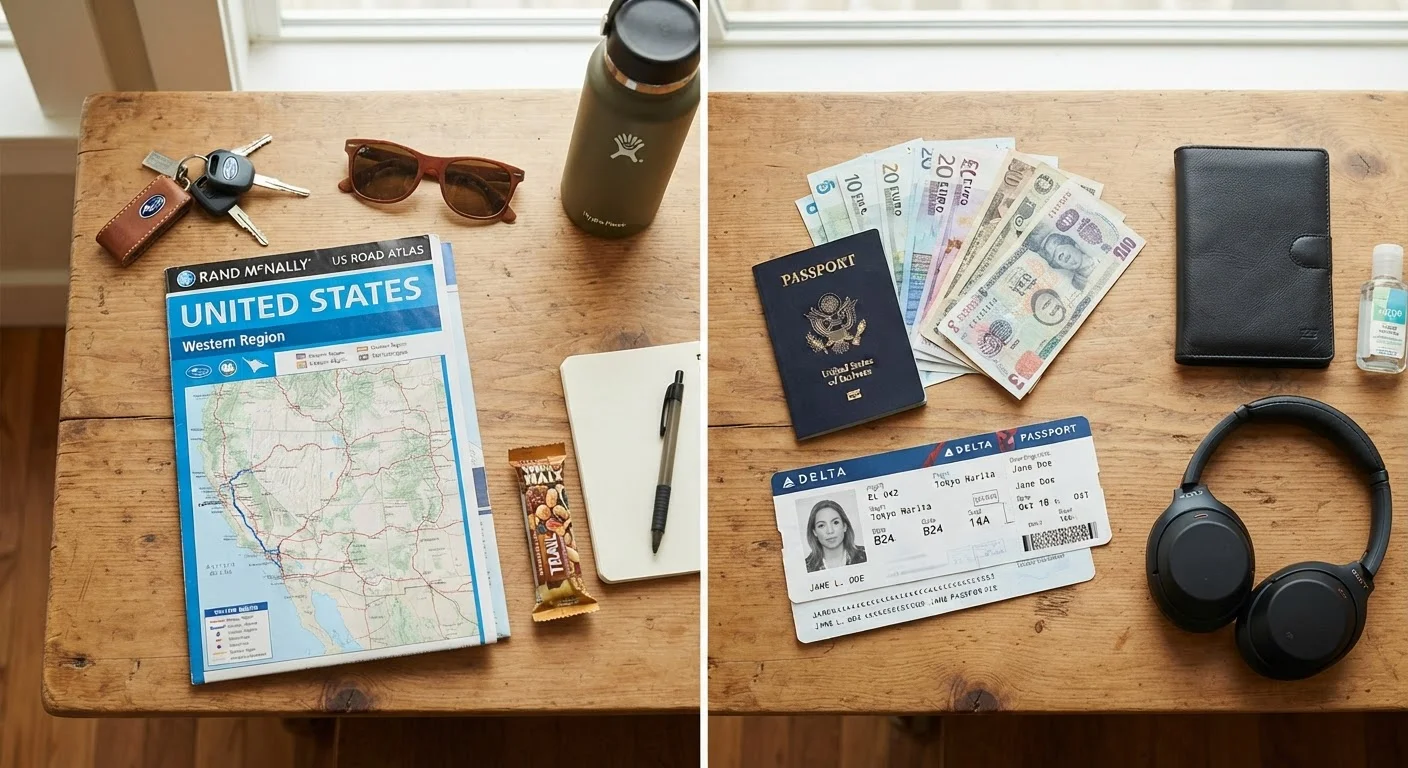
Your passport is the single most important document for international travel — and the one that trips up first-timers most often. U.S. passports are valid for ten years for adults, but many countries require your passport to be valid for at least six months beyond your travel dates. Check this early. If your passport is expired or cutting it close, apply or renew as soon as your trip is on the horizon. The U.S. State Department publishes current processing time estimates on its official website, and those timelines can stretch considerably during peak periods.
Visa requirements are destination-specific and non-negotiable. Some countries welcome U.S. passport holders without advance paperwork; others require a visa applied for weeks in advance through a consulate or embassy. Still others offer an electronic travel authorization — a simpler online process, but one that still requires planning ahead. Never assume you can sort this out at the airport. Always verify entry requirements through the destination country's official embassy website or the State Department's country information pages.
For a broader look at how international planning differs from domestic trips, see our guide on domestic vs. international trip planning.
Budgeting and Managing Money Abroad
Financial surprises abroad are avoidable with a little homework. Before you leave, notify your bank and credit card issuers of your travel dates and destinations — failure to do so can trigger fraud alerts and leave you unable to access funds. Ask specifically about foreign transaction fees, which some banks charge on every overseas purchase, and international ATM withdrawal fees, which vary widely.
When it comes to exchanging currency, resist the temptation to convert at airport kiosks or accept dynamic currency conversion at point-of-sale terminals — both often carry rates that quietly cost you more. Withdrawing local currency from a bank-affiliated ATM at your destination is generally one of the more straightforward approaches, though fee structures differ. Our in-depth piece on currency exchange myths separates fact from fiction on this exact topic.
Set Up a Travel Budget Before You Book
Knowing your rough daily spending target before you commit to flights and accommodation helps you choose a destination that genuinely fits your finances. Factor in meals, local transport, entrance fees, and a buffer for unplanned costs. Locking in a realistic number early prevents sticker shock mid-trip.
Build a realistic daily spending estimate that accounts for meals, transportation, activities, and incidentals — then add a buffer of 15–20% for the unexpected. A general budget framework is also covered in our complete trip planning guide.
Health Prep and Travel Insurance
Health preparation requirements vary significantly by destination. Some countries require proof of specific vaccinations for entry; others simply recommend them. Consult a travel medicine clinic or your primary care provider well before your departure — ideally six to eight weeks out — since some vaccine courses take time to complete. The U.S. Centers for Disease Control and Prevention (CDC) maintains destination-specific health recommendations on its website that are a solid starting point.
Travel insurance is a layer of protection most first-timers underestimate. A comprehensive policy can cover emergency medical care (critical, since your domestic health insurance may have limited or no international coverage), medical evacuation, trip cancellations, and lost or delayed baggage. Policies differ substantially in what they cover and under what conditions, so read the fine print carefully. This is general information — consult a licensed insurance professional if you need guidance tailored to your specific situation.
This article provides general travel information only and is not a substitute for professional medical or insurance advice. Consult qualified professionals for guidance specific to your health needs and coverage requirements.
Safety, Communication, and Staying Connected
Staying informed and reachable abroad is simpler than it used to be, but it still requires deliberate setup before you leave. Enroll in the U.S. State Department's Smart Traveler Enrollment Program (STEP) — it's free, takes minutes, and ensures the nearest U.S. embassy can contact you if a safety situation develops at your destination.
Check the State Department's travel advisories for your destination. These range from routine precautions to advisories recommending against travel, and they're updated regularly. Local laws and customs can also differ significantly from what you're used to at home — behaviors that are unremarkable in the U.S. may carry legal consequences abroad. Research the basics for wherever you're going.
For phone access, contact your carrier about international plans before departure. Options typically include temporary international plans, local SIM cards, or dedicated travel SIM solutions — each with different cost and convenience trade-offs. Download offline maps and key apps before you fly; reliable Wi-Fi isn't guaranteed everywhere.
Visa
An official government authorization — stamped in your passport or issued electronically — that permits you to enter a specific country for a defined purpose and duration.
Travel advisory
An official government warning issued by bodies like the U.S. State Department that rates the safety conditions of a destination and recommends precautions or, in serious cases, against travel.
Foreign transaction fee
A charge applied by some banks or credit card issuers on purchases made in a foreign currency or processed through a non-U.S. bank, typically a small percentage of each transaction.
Dynamic currency conversion
An option offered at some overseas merchants or ATMs to pay in U.S. dollars rather than local currency — usually at an unfavorable exchange rate that costs more than paying in local currency.
Travel medicine clinic
A medical facility specializing in health preparation for international travel, including vaccinations, destination-specific health risks, and prescriptions for travel-related conditions.
STEP (Smart Traveler Enrollment Program)
A free U.S. State Department service that allows Americans traveling abroad to register their trip so the nearest embassy can contact them during emergencies or safety alerts.
Packing and Pre-Departure Essentials
Smart packing for an international trip means thinking beyond clothes. Bring physical copies of your key documents — passport, visa confirmation, travel insurance policy, and accommodation reservations — stored separately from the originals. Leave a copy with a trusted person at home as well. An international power adapter appropriate for your destination's outlet type is easy to overlook until you need it.
In the final weeks before departure, run through a structured checklist: confirm all bookings, verify your passport validity, complete any required health steps, set up banking notifications, and arrange home logistics. Our pre-departure checklist walks through this week by week so nothing slips through the cracks. You can also find a broader version in our pre-trip checklist for all travelers.
International travel rewards preparation. The logistics feel complex upfront, but working through them methodically transforms an overwhelming to-do list into genuine confidence — which is exactly the kind of headspace you want when you finally land somewhere new.