What Peak and Shoulder Seasons Actually Mean
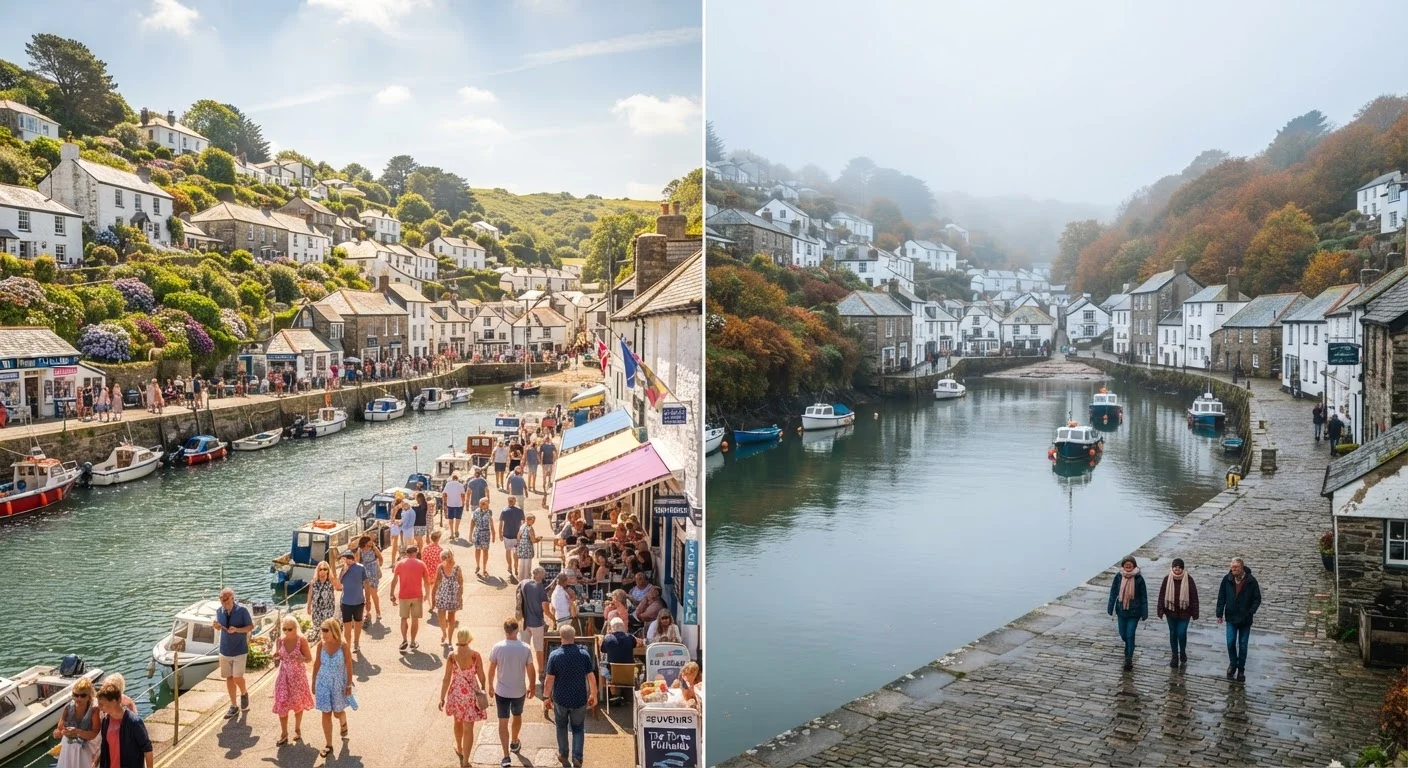
Travel seasons aren't just calendar labels—they reflect real shifts in demand, pricing, weather, and crowd density at a destination. Peak season is when a place sees its highest visitor volume: think summer in Europe, December in the Caribbean, or ski weeks in Colorado. Shoulder season falls just before or after that peak—spring in Paris, September in the Greek islands, or October along the Blue Ridge Parkway.
There's also an off-season (the quietest, often cheapest period), but shoulder season hits a compelling middle ground: the destination is still operating at full capacity without the intensity of peak crowds and prices. Understanding where a destination falls in its cycle is the first step in smart trip planning. For a deeper look at how timing interacts with other planning decisions, see whether to book everything in advance.
The Peak Season Trade-Off: Vibrancy vs. Cost
Peak season exists for a reason—conditions are usually at their most favorable. Beaches are warm, mountain trails are snow-free, festivals are running, and every restaurant, museum, and tour is open. For travelers with limited vacation days or family schedules tied to school calendars, peak season may simply be the only realistic option.
The costs, however, are real. Flights and accommodations routinely run 30–60% higher than shoulder-season equivalents at popular destinations. Popular sites like national parks or iconic landmarks can feel genuinely overwhelming, and booking windows stretch months ahead. If you're weighing whether to stay in a hotel or rent a short-term property during high demand, that decision gets more complex—check out our hotel vs. short-term rental trade-off guide for clarity.
| Peak Season | Shoulder Season | |
|---|---|---|
| Pricing (flights & lodging) | Highest; book months ahead | Noticeably lower; more flexibility |
| Crowd levels | Heavy; long queues common | Moderate; more breathing room |
| Weather reliability | Most predictable conditions | Variable; destination-dependent |
| Attraction availability | Full hours; all sites open | Most open; some reduced hours |
| Local atmosphere | Touristy; high energy | More authentic; calmer pace |
| Booking lead time needed | 3–6+ months for popular spots | 4–8 weeks often sufficient |
| Best for | Fixed schedules, first-time visitors | Flexible dates, repeat visitors |
The Shoulder Season Advantage: Value and Authenticity
Shoulder season is where experienced travelers often find their favorite experiences. Pricing drops noticeably, locals reclaim their neighborhoods, and the frantic energy of peak crowds fades. A café in Amsterdam in October feels nothing like the same café in July—smaller queues, easier conversations, and a pace that actually allows you to absorb where you are.
The trade-off is variability. Weather becomes less predictable, some seasonal businesses close early, and a few attractions may operate on reduced hours. For international trips especially, it's worth confirming that key sites stay open during your shoulder window—entry requirements and operating schedules can shift. Domestic vs. international planning covers what else to account for when timing an overseas visit.
Pinpoint the Shoulder Window Precisely
Shoulder season isn't a fixed calendar block—it varies by destination and sometimes by just a week or two. Research when local schools return, when major festivals end, and when airlines typically drop fares for a specific route. For many European cities, the sweet spot is the last two weeks of September or the first two weeks of May—weather holds but visitor numbers drop sharply. A quick look at a destination's monthly visitor data (often published by local tourism boards) can reveal the exact inflection point.
How to Choose Based on Your Travel Style
The honest answer is that the right season is different for every traveler and every destination. Ask yourself four questions before booking:
- How flexible are my dates? Even shifting departure by two to three weeks can put you solidly in shoulder territory with meaningful savings.
- Is weather certainty essential? Beach vacations and outdoor adventures are riskier in shoulder season; city and cultural trips are barely affected by a few grey days.
- What kind of atmosphere do I want? Lively and social, or calm and immersive? Peak and shoulder season genuinely feel different on the ground.
- How far in advance can I plan? Peak season rewards early bookers; shoulder season gives more room for spontaneity. See how to build a trip itinerary that actually works for structuring either approach.
Pairing honest answers to these questions with destination-specific research—rather than generic season rules—will steer you toward the right call every time. For broad travel tips that apply regardless of season, explore our full resource hub.