Why Reviewing Before Renewal Matters
Most auto insurance policies renew automatically — which is convenient, but also easy to ignore. Insurers can adjust premiums, modify coverage terms, or add exclusions at renewal, and if you don't read the notice, those changes take effect without your active input.
Taking 20 to 45 minutes to audit your policy before it renews is one of the most practical steps you can take as a policyholder. You're not committing to switching insurers or making dramatic changes — you're simply confirming that what you're paying for still reflects your actual situation and needs.
If insurance terminology feels unfamiliar, our Auto Insurance Glossary defines the key terms you'll encounter on your declarations page and renewal documents.
Policy Basics
Coverage Types and Limits
Deductibles and Premiums
Life and Usage Changes
What to Have on Hand Before You Start
Gathering a few documents before you begin will make the review faster and more productive.
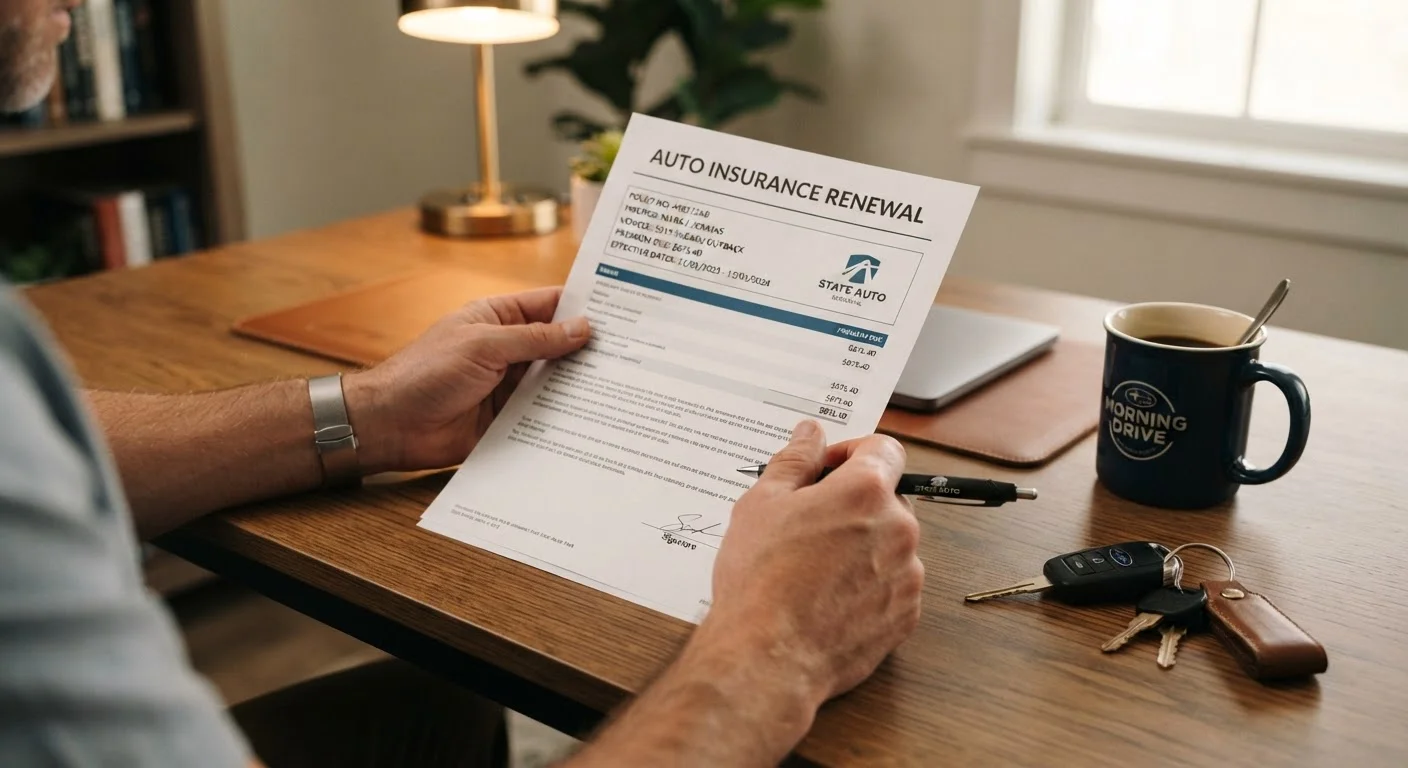
Current renewal notice or declarations page
Lists your coverage types, limits, deductibles, and premium for the upcoming term.
Prior policy term's declarations page
Allows you to compare coverage and premium changes year over year.
Vehicle registration or title
Confirms your vehicle's year, make, model, and VIN match what's on the policy.
Loan or lease agreement
Specifies any coverage minimums required by your lender or lessor.
State minimum coverage reference
Your state's DMV or insurance department website lists legally required minimums for comparison.
Once you have these in front of you, work through the checklist groups below in order. The process moves from confirming basic accuracy to evaluating whether your coverage levels remain appropriate for your circumstances.
Don't Let Auto-Renewal Work Against You
Automatic renewal is a convenience feature, not a guarantee that your coverage is still appropriate. Insurers are generally required to notify you of material changes before renewal, but that notice can be easy to overlook in a stack of mail or an email inbox. Make it a habit to review the full renewal documents — not just the premium amount — at least two weeks before the policy effective date so you have time to ask questions or make changes.
After the Review: Your Next Steps
Once you've worked through the checklist, you'll have a clear picture of what your policy covers, what may have changed, and whether any adjustments are warranted.
If you identified outdated information — such as a new vehicle, a change of address, or a driver who no longer uses the car — contact your insurer to update those details before the renewal date. Errors or omissions in your policy record can complicate a future claim.
If your premium has increased significantly and you believe your risk profile hasn't changed, it's reasonable to ask your insurer to explain the adjustment. Insurers use a range of factors — including regional loss trends, your credit-based insurance score (where permitted by state law), and your claims history — to set rates. You always have the option to request quotes from other licensed insurers, though you should compare equivalent coverage levels rather than simply comparing price.
Reviewing your auto policy annually also pairs well with other financial checkups. Much like the process described in our annual credit report checkup, the goal is to catch discrepancies and confirm that the information on file accurately reflects your real situation.
If your vehicle use changes significantly — for instance, following a new car purchase, which our Buying a Car hub covers in detail — update your policy promptly rather than waiting for renewal.
This article is for general informational purposes only and does not constitute personalized insurance, financial, or legal advice. Coverage terms, exclusions, and regulations vary by insurer and by state. Always read your actual policy documents carefully and consult a licensed insurance agent or adviser for guidance specific to your situation.