
What Makes an Expense 'Fixed'?
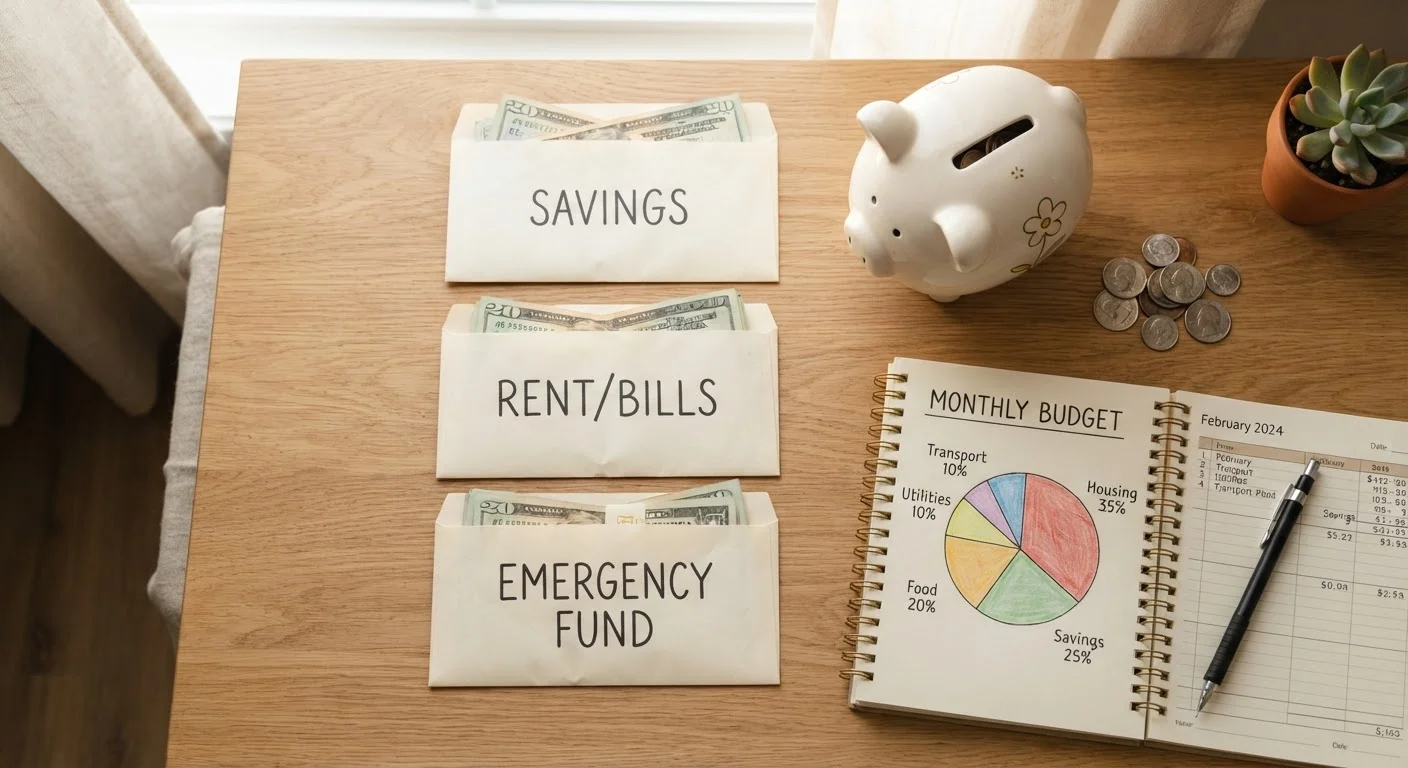
A fixed expense is any recurring cost that stays the same amount regardless of how much you use a service or what choices you make that month. These are the easiest expenses to plan for because they are predictable — you know exactly what is coming out of your account and when.
Common examples of fixed expenses include:
- Rent or mortgage payments
- Car loan or lease payments
- Student loan payments
- Health insurance premiums (when paid on a set schedule)
- Subscription services billed at a flat monthly rate
Because fixed expenses do not change, they are the backbone of any monthly budget. Once you list them all out, you immediately know the minimum amount of income you need to cover your obligations. To understand how this fits into the broader picture, see what a monthly budget actually is.
What Makes an Expense 'Variable'?
Variable expenses are costs that change from month to month. They are influenced by your decisions, your habits, and sometimes outside factors like seasonal price shifts. Because they are not fixed, they require more active attention to manage effectively.
Common examples of variable expenses include:
- Groceries and household supplies
- Gas and transportation costs
- Dining out and entertainment
- Clothing and personal care
- Medical co-pays and out-of-pocket costs
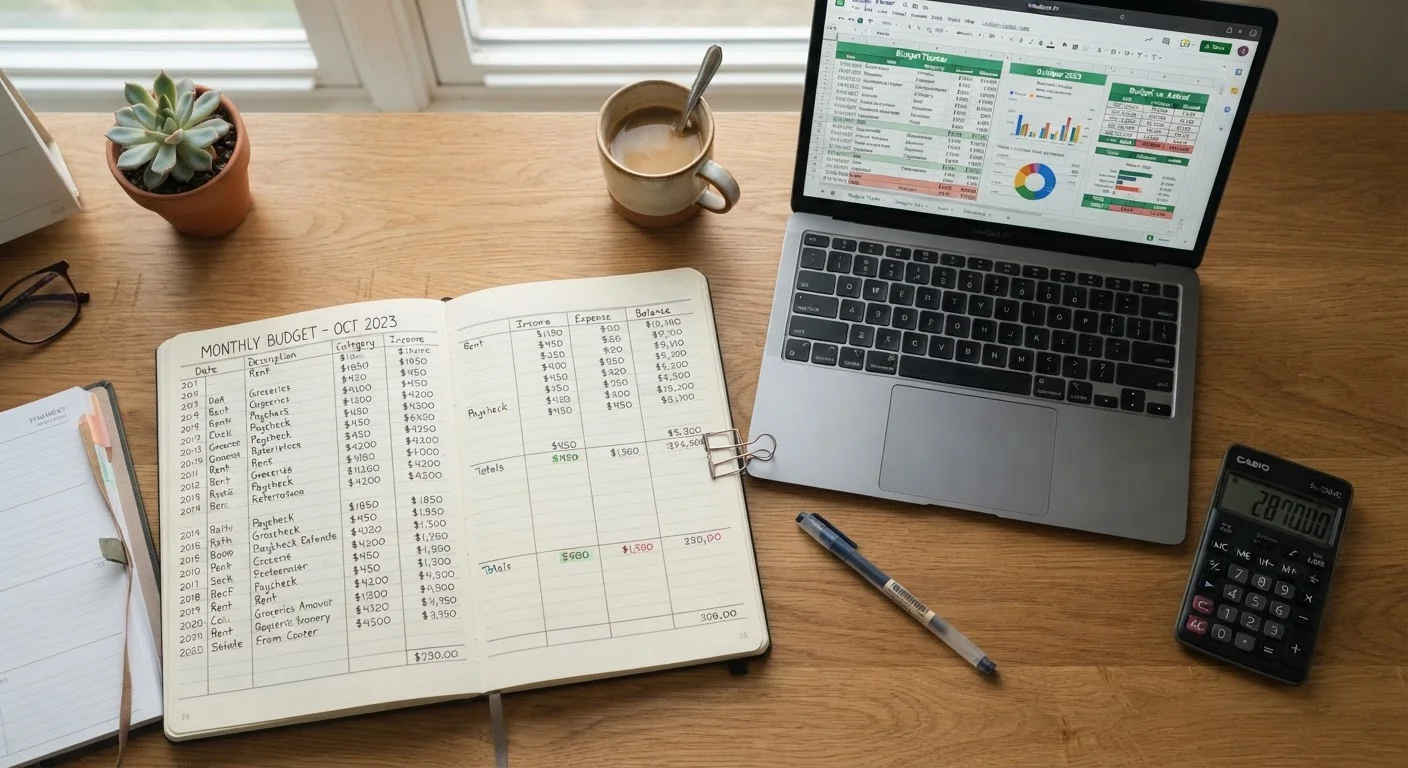
Variable expenses are where most people have the greatest opportunity to adjust their spending. They require consistent tracking — a habit that pays off when you need to find room in your budget for a financial goal or an unexpected cost. Building savvy buying habits around these day-to-day purchases can meaningfully move the needle over time.
Track Variable Spending for Three Months First
Before setting a budget target for any variable category, review at least three months of actual spending in that area. A single month can be misleading — one month might include a birthday dinner or a seasonal purchase that skews the number. An average gives you a more reliable baseline to work from.
The In-Between: Semi-Variable Expenses
Not every expense fits neatly into one category. Semi-variable (sometimes called semi-fixed) expenses have a stable base cost but a portion that fluctuates. Electricity, water, and natural gas bills are classic examples — each has a minimum service charge, but the amount owed each month also reflects actual usage.
Phone plans with data overage charges, or gym memberships that include optional add-on classes, behave similarly. For budgeting purposes, it is usually most practical to estimate these using a three- to six-month average and treat that figure as a soft target, adjusting your estimate seasonally if usage patterns shift significantly.
Budget Billing Can Simplify Variable Utilities
Many utility companies offer a 'budget billing' or 'levelized billing' option that averages your expected annual usage into equal monthly payments. This can make a variable or semi-variable expense behave more like a fixed one for planning purposes. Check with your utility provider to see if this option is available in your area.
Why This Distinction Matters for Your Budget
Separating your expenses into fixed and variable categories accomplishes two things: it shows you exactly how much of your income is already committed each month, and it reveals where you actually have choices.
~33%
Average share of income spent on housing
According to the U.S. Bureau of Labor Statistics Consumer Expenditure Survey, housing consistently represents the largest single expense category for American households.
~13%
Average share of income spent on food
The BLS Consumer Expenditure Survey shows food — both at home and away from home — accounts for roughly 13% of average household spending, making it one of the largest variable expense categories.
When financial pressure increases — a job loss, a medical bill, a major car repair — it is rarely possible to instantly lower your rent or pause a loan payment. But you can reduce variable spending fairly quickly. Knowing which category each cost belongs to means you can act strategically rather than reactively.
For a full reference on the vocabulary used in personal finance conversations, essential budgeting terms every American should know provides a helpful plain-language guide. Once you are comfortable with fixed and variable expenses, the next step is choosing a budgeting method that works for your lifestyle — see budgeting methods compared for a practical breakdown.
This article is for general informational and educational purposes only and does not constitute personalized financial advice. Consult a qualified financial professional for guidance tailored to your individual situation.