
Why a Pre-Investment Review Matters
Opening a brokerage account takes minutes. Building the financial foundation that makes investing sustainable takes deliberate preparation. Skipping that groundwork is one of the most common reasons new investors end up selling at the worst time — usually when life throws an unexpected expense at them and they have no other cash to draw on.
This checklist walks you through the key financial areas to audit before you invest your first dollar. It is not designed to delay you indefinitely; it is designed to help you invest from a position of strength rather than fragility. If you are new to the broader concepts, start with this foundational overview before working through the items below.
Work through each group honestly. Where you find gaps, treat them as priorities to address — not reasons to feel behind.
Cash Flow & Budgeting
Emergency Fund
Debt Assessment
Employer Benefits & Tax-Advantaged Accounts
Risk Tolerance & Investment Readiness
Tools You Will Need
You do not need specialized software to complete this review, but a few basic resources will make the process faster and more accurate. Gather what you have before you start so you can move through the checklist without interruption.
Recent pay stubs or income statements
Used to calculate accurate monthly net income figures for your cash flow review.
Bank and credit card statements (last 2–3 months)
Needed to accurately track spending patterns across fixed and variable expense categories.
Debt account statements
Required to list all outstanding balances, interest rates, and minimum payments for the debt assessment section.
Employer benefits summary or HR portal access
Used to confirm whether a retirement plan match is available and what your current contribution rate is.
A basic spreadsheet or budgeting app
Helps organize income, expenses, and debt data in one place to make the checklist review more efficient.
Once you have your documents ready, set aside uninterrupted time — even 30 minutes of focused attention is enough to make meaningful progress on this audit.
Understanding the Checklist Results
After working through all 18 items, take stock of where you landed. If the majority of your "must" items are in place, you are likely in a reasonable position to begin investing modestly — starting small and building up as your financial picture strengthens.
If several foundational items are incomplete — particularly around emergency savings and high-interest debt — it is generally worth addressing those before directing money into the market. For a deeper look at why emergency savings deserve priority, see why building a cash cushion changes everything.
Investing Does Not Eliminate Financial Risk
Markets can and do decline, sometimes sharply and for extended periods. Money placed in investment accounts is not guaranteed to grow and can lose value. Only invest money you can leave untouched for the long term — not funds you may need in the near future for bills, emergencies, or planned purchases. Past market performance does not guarantee future results.
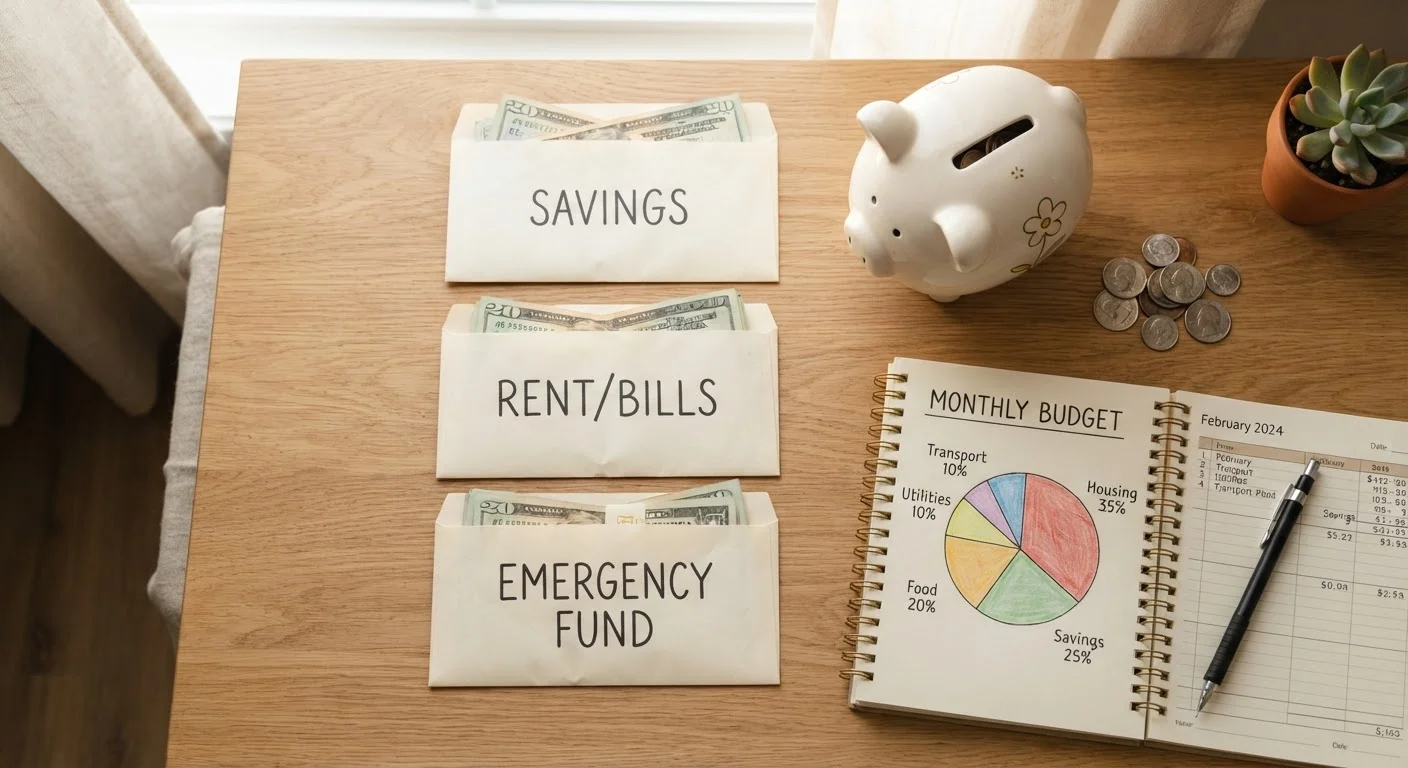
It is also worth revisiting your everyday spending habits. Freeing up even a small, consistent monthly amount for investing requires understanding where your money currently goes. The Budgeting Basics hub offers straightforward frameworks for tracking and managing monthly cash flow.
Finally, do not let misconceptions slow you down. Many people delay investing based on assumptions that do not hold up. Common investing myths trip up first-timers more often than market conditions do — and most of them are worth examining before you form a strategy.
This article is for general informational and educational purposes only and does not constitute personalized financial, investment, tax, or legal advice. Individual circumstances vary significantly. Consult a qualified, licensed financial professional before making decisions about your own finances or investments.