What Happens Inside the Mill
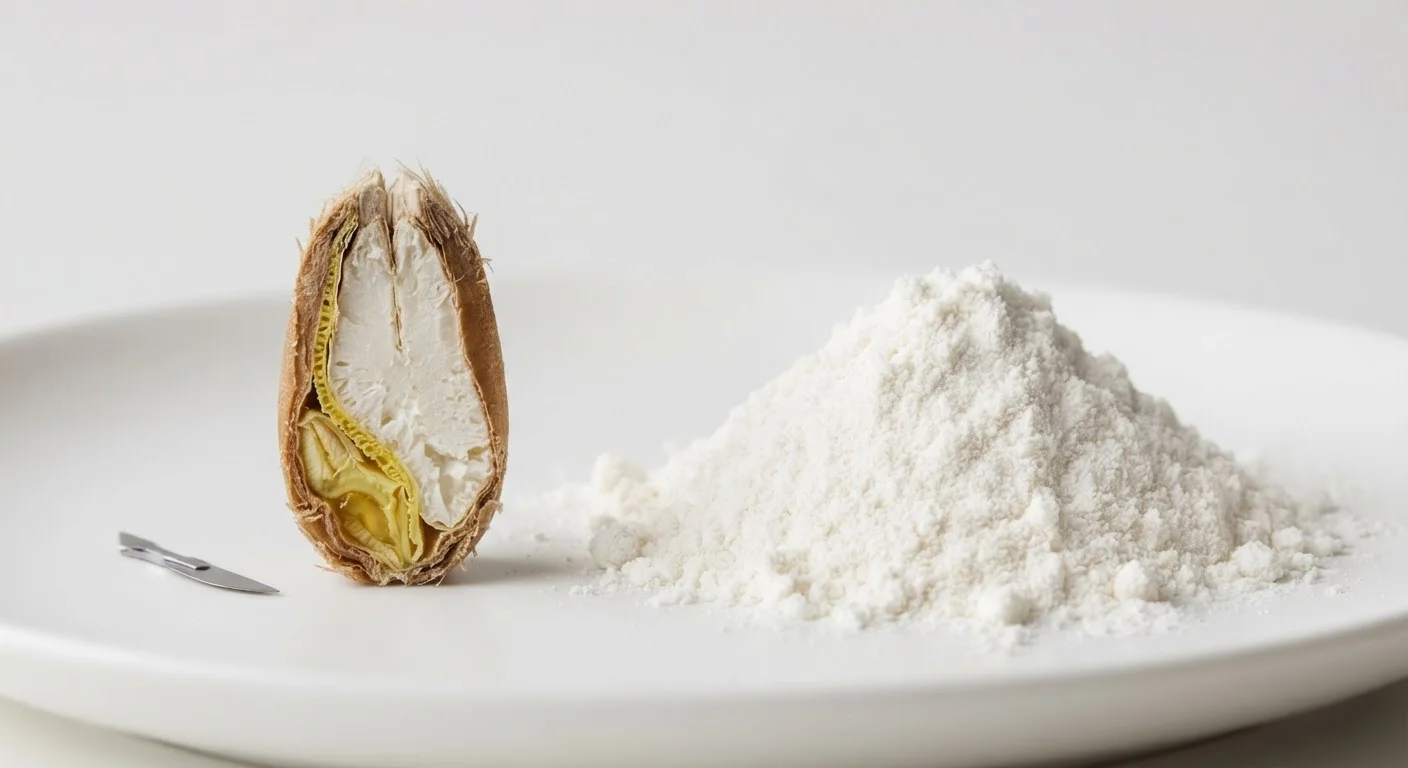
Every grain — wheat, rice, oats, barley, corn — shares the same basic architecture: an outer protective layer called the bran, a nutrient-dense core called the germ, and the large starchy interior called the endosperm. A whole grain keeps all three parts intact. Refining strips away the bran and germ, leaving only the endosperm.
That sounds like a minor mechanical step, but its nutritional consequences are significant. The bran supplies the bulk of a grain's dietary fiber, along with B vitamins and trace minerals. The germ contains healthy unsaturated fats, vitamin E, additional B vitamins, and a range of phytonutrients (plant compounds with potential health-supporting properties). The endosperm is largely starch with modest protein — useful as an energy source but nutritionally narrow on its own.
Refining was developed partly to extend shelf life (the germ's fats can go rancid) and to produce the smoother textures consumers came to expect in bread, pasta, and pastry. The trade-off is a food that delivers carbohydrates and calories while leaving most of the kernel's micronutrient content on the milling floor.
To understand more terms used when discussing grain nutrition, see our nutrition glossary for plain-language definitions of concepts like glycemic index and bioavailability.
The Nutrient Gap in Numbers
The difference between a whole grain and its refined counterpart is not subtle. A slice of 100% whole wheat bread typically provides roughly three times the fiber of a slice of white bread made from refined flour. Magnesium, zinc, potassium, and several B vitamins follow similar patterns of loss during milling.
| Criterion | Whole Grain | Refined Grain |
|---|---|---|
| Kernel parts retained | Bran, germ, endosperm | Endosperm only |
| Dietary fiber | High | Low |
| B vitamins (natural) | Broad range intact | Mostly removed; some added back via enrichment |
| Vitamin E | Present in germ | Largely absent |
| Minerals (magnesium, zinc) | Higher amounts | Significantly reduced |
| Glycemic response | Generally lower | Generally higher |
| Shelf life | Shorter (germ fats can oxidize) | Longer |
| Texture in baking | Denser, heartier | Finer, lighter |
Enrichment — mandatory in the U.S. for most refined grain products — adds back thiamin, riboflavin, niacin, folic acid, and iron. This policy has been effective at preventing deficiency diseases like beriberi and pellagra, and it has contributed to a dramatic reduction in neural tube defects through folic acid fortification. However, enrichment does not restore fiber, does not replace vitamin E, and does not replicate the full array of phytonutrients and minerals the original kernel contained.
It is also worth noting that not all whole grain products are equivalent. Whole grain crackers or cereals may still be high in added sodium or sugar. Evaluating the full ingredient list gives a more complete picture than any single nutrient claim. Our article on misleading food label terms explains why 'multigrain,' 'wheat,' and 'made with whole grains' do not mean the same thing as '100% whole grain.'
What the Research Says About Health Outcomes
Epidemiological research — studies following large populations over time — consistently finds that higher whole grain intake is associated with lower rates of cardiovascular disease, type 2 diabetes, and certain digestive cancers. These associations hold even after accounting for other lifestyle factors. Mechanistically, researchers point to fiber's role in improving cholesterol profiles and gut microbiome diversity, the slower digestion rate that moderates blood glucose and insulin response, and the cumulative effect of the vitamins, minerals, and antioxidants retained in the whole kernel.
~25%
Reduced cardiovascular disease risk with higher whole grain intake
Multiple large prospective cohort studies, including analyses published in the BMJ and Circulation, have found roughly a 20–25% lower cardiovascular disease risk associated with high versus low whole grain consumption.
~20–30%
Lower type 2 diabetes risk linked to whole grain consumption
Meta-analyses of prospective studies consistently report that people with the highest whole grain intake have approximately 20–30% lower risk of developing type 2 diabetes compared to those with the lowest intake.
~5%
Of Americans meet whole grain recommendations daily
Dietary intake surveys in the U.S. suggest a large majority of Americans fall well short of the guidance to make at least half of grain servings whole grains.
Refined grains, by contrast, have been associated in some large studies with higher fasting insulin levels and greater cardiovascular risk when they make up a disproportionate share of total carbohydrate intake. The key qualifier, however, is dietary pattern: a person eating refined grains alongside abundant vegetables, legumes, and lean protein is in a very different position than someone whose diet is dominated by ultra-processed refined grain products. Grains do not exist in isolation on a plate.
Major dietary guidance bodies — including those advising on the U.S. Dietary Guidelines — recommend that at least half of all grain servings come from whole grains. For context on broader dietary patterns with the strongest evidence base, see eating patterns linked to long-term health.
One area where the picture is more nuanced is glycemic response. While whole grains generally produce a lower glycemic response than refined grains, cooking method, processing level (even within whole grains), food combinations, and individual metabolic variation all influence how blood sugar responds. This is one reason nutrition science continues to emphasize overall dietary patterns rather than single-food prescriptions.
This article is for general informational purposes only and is not a substitute for professional medical or dietary advice. If you have specific health conditions affecting your grain or carbohydrate intake, consult a registered dietitian or qualified healthcare provider.