Why Food Labels Feel Trustworthy — But Often Aren't
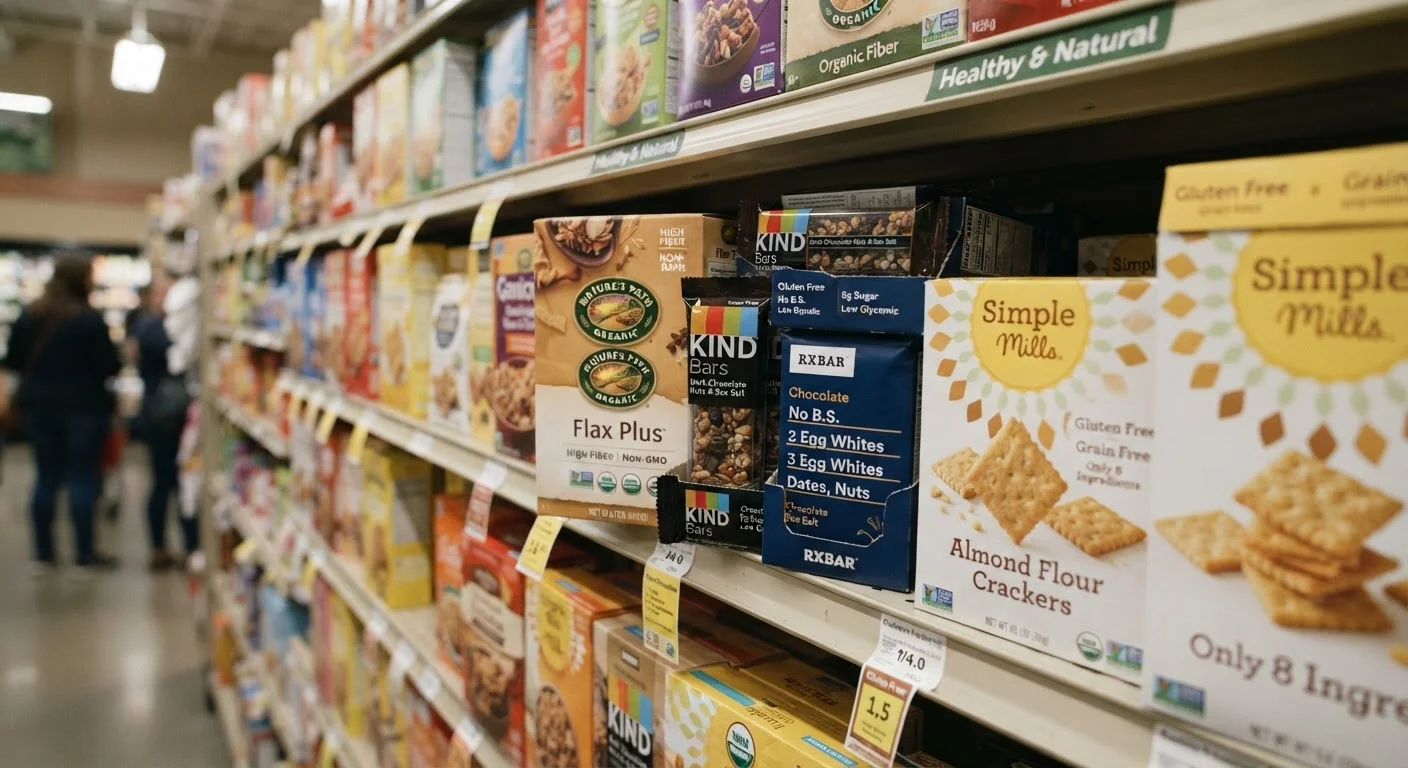
A product stamped with "natural," "wholesome," or "made with real ingredients" triggers an immediate sense of confidence. That's exactly the intention. Front-of-package claims are designed by marketing teams, and while some are regulated, many are not. The result is a labeling environment where a word like "healthy" can appear on a product loaded with added sugar, simply because it meets a narrow, outdated FDA criterion for fat content.
This isn't about deliberate consumer deception in every case — some terms evolved before modern nutritional science, and regulations haven't always kept pace. But the practical outcome is the same: shoppers routinely overestimate the nutritional quality of foods carrying appealing label language. Understanding which terms have teeth and which don't is a foundational grocery skill. For a broader breakdown of what the regulated portion of a food label actually communicates, see our guide to the Nutrition Facts panel.
Common Label Mistakes and How to Correct Them
The following are among the most frequently misunderstood label terms — and the reasoning errors that make them so effective at influencing purchasing behavior.
Taking 'multigrain' as a synonym for 'whole grain.'
Why it happens: Both terms suggest a grain-forward product, and shoppers reasonably assume more grain variety equals more nutritional value. The prefix 'multi' implies abundance or quality.
Assuming 'organic' means low-calorie, low-sugar, or nutritionally superior.
Why it happens: Organic certification carries a health-oriented halo. Because the certification process is rigorous, shoppers extend that rigor to nutritional quality — a logical but unfounded leap.
Interpreting 'reduced fat' as automatically healthier.
Why it happens: Decades of messaging linked dietary fat to poor health outcomes, making any fat reduction seem like an improvement. This association persists even as nutritional science has substantially revised it.
Treating 'no added sugar' as equivalent to 'low sugar.'
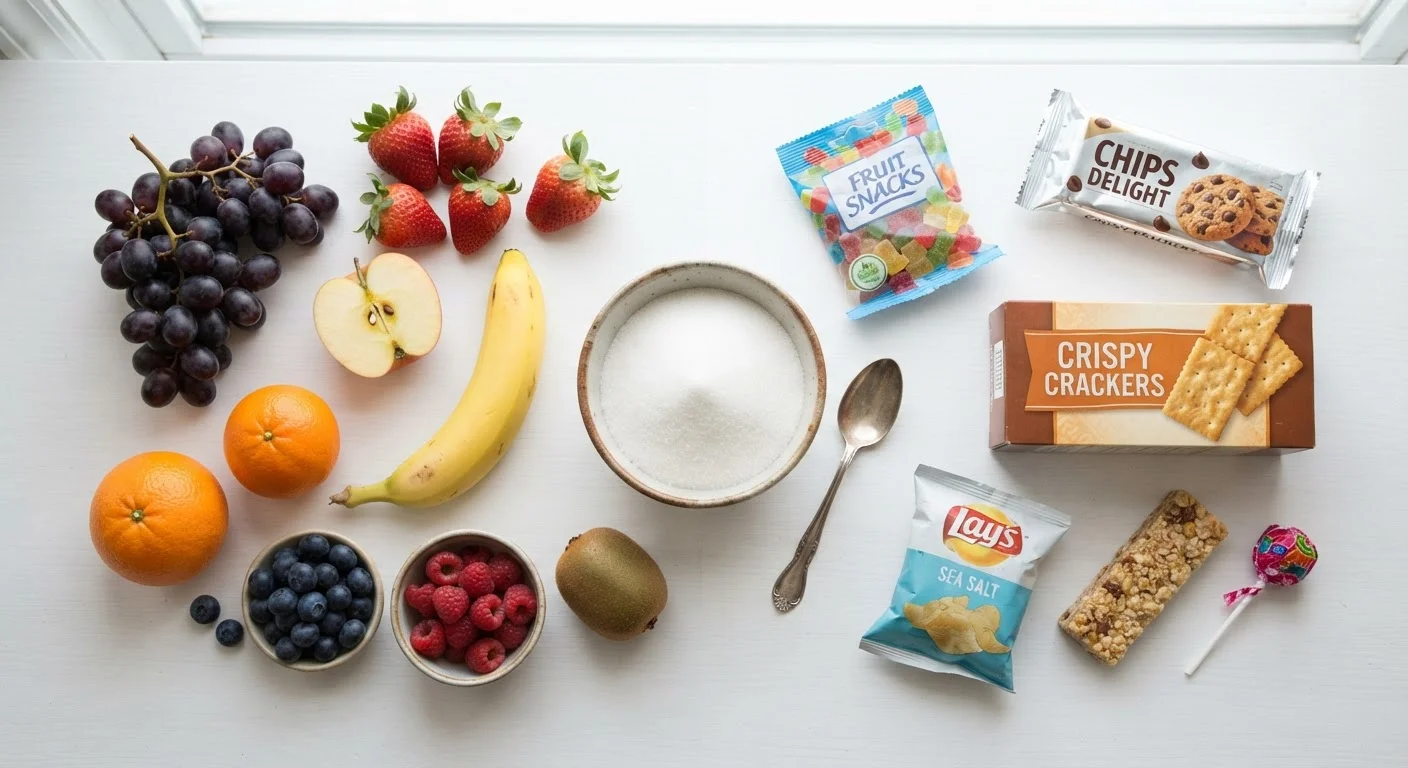
Why it happens: The claim sounds like a sugar-free guarantee. Shoppers don't always distinguish between added sugars and naturally occurring sugars, both of which contribute to total sugar content.
Conflating 'serving size' with a realistic portion when evaluating label claims.
Why it happens: Serving sizes are standardized by the FDA based on typical consumption amounts — but they often differ from what people actually eat in one sitting, making calorie and nutrient figures look more favorable than real-world intake would reflect.
For a plain-language reference on nutrition vocabulary you'll encounter on labels and in health reporting, the Nutrition Terms Glossary is a useful companion resource.
Where to Look Instead: The Nutrition Facts Panel and Ingredient List
The most reliable information on any packaged food isn't on the front — it's on the back or side. The Nutrition Facts panel is federally standardized and legally required to report serving size, calories, and key nutrients accurately. The ingredient list, governed by strict ordering rules (ingredients appear by weight, highest first), reveals what a product is actually made of.
~80%
Shoppers influenced by front-of-pack claims
Consumer research consistently finds that a large majority of grocery shoppers use front-of-package health claims as a primary decision signal, often without consulting the Nutrition Facts panel.
"Multigrain"
Does not mean whole grain
A product labeled multigrain only indicates it contains more than one type of grain — none of which need to be whole grain. Look for "100% whole grain" or check that a whole grain is listed first in the ingredient list.
A product calling itself "made with whole grains" might list enriched white flour first and whole wheat flour fourth — meaning the whole grain is a minor ingredient by volume. The ingredient list guide explains exactly how to read this ordering and spot hidden names for common additives. Similarly, understanding the difference between added and naturally occurring sugars — both now disclosed separately on the Nutrition Facts panel — is explored in our piece on added sugar vs. natural sugar.
This article provides general nutrition education and is not a substitute for personalized dietary advice. Consult a registered dietitian or qualified healthcare provider for guidance tailored to your individual health needs.