
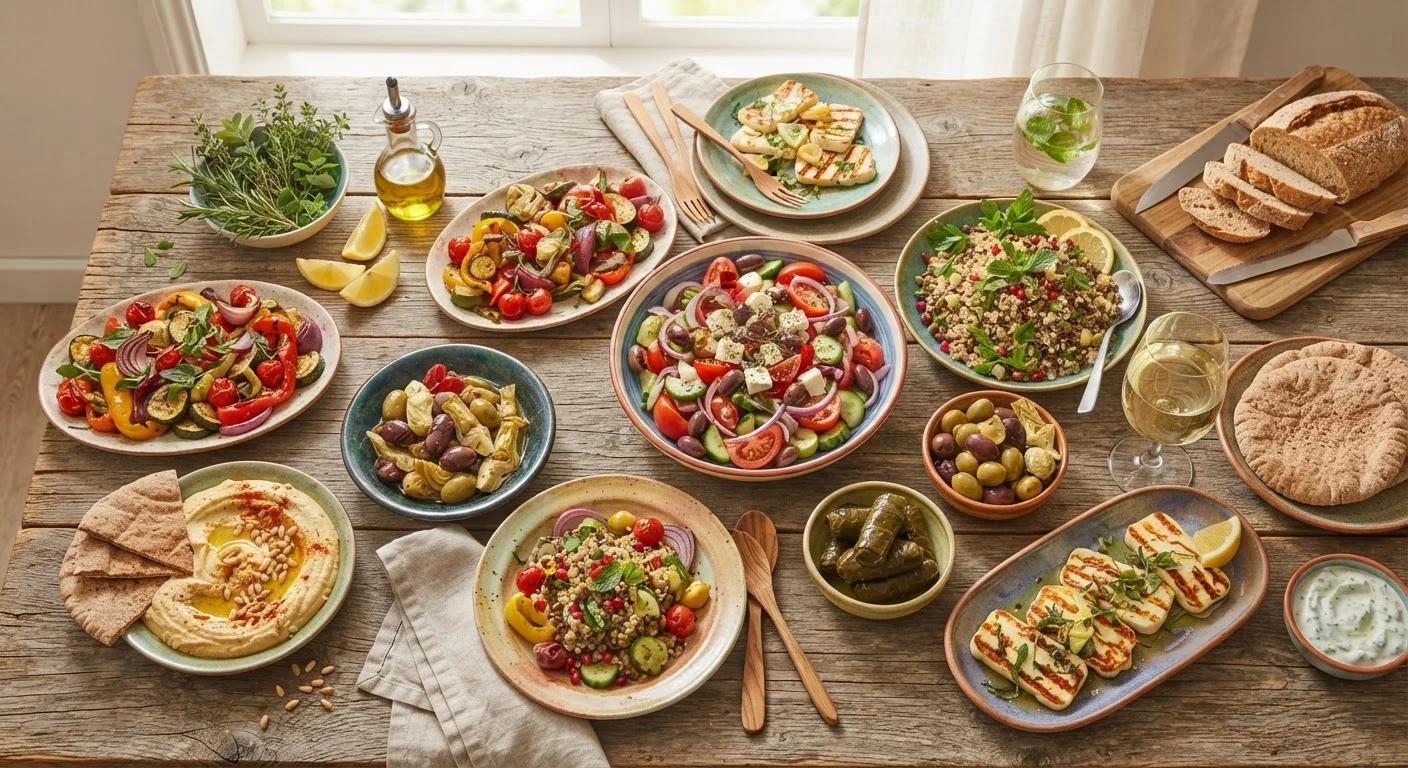
What 'Dietary Pattern' Actually Means
Nutrition research has shifted considerably over the past two decades. Rather than isolating single nutrients — fat, carbs, protein — scientists increasingly study dietary patterns: the overall combination of foods a person eats habitually over time. This approach better reflects how real people eat and how diet actually affects health outcomes.
A dietary pattern is not a meal plan. It describes the general character of what someone eats — which food groups dominate, which are limited, and how those choices interact. Two people following the same pattern may eat very differently meal to meal while still sharing the same overall nutritional profile.
This distinction matters because nutrients don't act in isolation. The research linking diet to reduced risk of cardiovascular disease, type 2 diabetes, and certain cancers tends to point to patterns, not individual foods. For more on widespread misconceptions about specific nutrients, see how persistent nutrition myths hold up against current evidence.
| Most-studied pattern | Mediterranean diet (Consistent across decades of epidemiological and clinical research) |
| DASH stands for | Dietary Approaches to Stop Hypertension (Developed through NIH-funded research) |
| Key shared element | High intake of minimally processed plant foods (Common across Mediterranean, DASH, and plant-forward patterns) |
| Average US fiber intake | About 15–16g per day (USDA Dietary Guidelines Advisory Committee data) |
| Recommended fiber intake | 25–38g per day (varies by age and sex) (Institute of Medicine / National Academies) |
| Research approach | Dietary patterns, not isolated nutrients (Reflects current nutritional epidemiology methodology) |
The Patterns With the Strongest Evidence Base
Several dietary patterns have accumulated decades of research across large populations. Here is what the evidence currently supports:
Mediterranean Diet
Consistently among the most-studied patterns worldwide, the Mediterranean diet emphasizes vegetables, fruits, legumes, whole grains, fish, and olive oil, with moderate dairy and limited red meat. Large prospective studies and clinical trials associate it with lower rates of cardiovascular events, cognitive decline, and all-cause mortality. It does not prescribe strict calorie limits — emphasis is on food quality and variety.
DASH Diet
Developed to address hypertension, the DASH diet centers on vegetables, fruits, whole grains, and low-fat dairy, while limiting sodium, saturated fat, and added sugars. Multiple controlled trials show meaningful reductions in blood pressure. Its structure also supports broader cardiometabolic health beyond blood pressure alone.
Plant-Forward Patterns
Diets emphasizing minimally processed plant foods — whether fully plant-based or simply plant-predominant — show consistent associations with lower body weight, improved insulin sensitivity, and reduced inflammation markers. The research applies across a spectrum, from fully vegan diets to flexitarian approaches that retain modest amounts of animal protein. Comparing animal and plant protein sources can help clarify how different food choices fit into these patterns.
Traditional Asian Dietary Patterns
Diets high in rice, vegetables, soy, and seafood — as traditionally practiced in Japan and parts of East Asia — correlate with low rates of obesity and cardiovascular disease in population studies. However, researchers note that sodium intake (through fermented and salted foods) can offset some benefits in certain subgroups.
What These Patterns Share
Despite their differences in cuisine and specific foods, the best-evidenced dietary patterns share a recognizable core:
- Abundant vegetables and fruits — providing fiber, vitamins, minerals, and phytocompounds
- Whole or minimally processed grains over refined alternatives — see what changes nutritionally when grains are refined
- Legumes (beans, lentils, chickpeas) as a reliable, affordable protein and fiber source
- Limited ultra-processed foods — items with long ingredient lists engineered for palatability rather than nutrition
- Healthy unsaturated fats from sources such as nuts, seeds, fatty fish, and olive oil
- Moderate, rather than excessive, animal protein
Fiber runs through nearly all of these patterns as a shared driver of benefit — fiber may deserve more attention than protein in the average American diet. Adequate hydration also supports how the body absorbs and uses nutrients from these food sources; the connection between hydration and nutritional health is often underestimated.
No single pattern is right for everyone. Affordability, cultural background, cooking access, and individual health conditions all influence which approach is sustainable. Nutritious eating doesn't require expensive specialty items — many of the most evidence-supported foods are among the most affordable. For putting these principles into practice week to week, sustainable meal planning principles can help bridge research and everyday reality.
This article is for general informational purposes only and is not a substitute for personalized medical or dietary advice. Consult a qualified healthcare professional or registered dietitian for guidance tailored to your individual health needs.