What Midterms Actually Decide
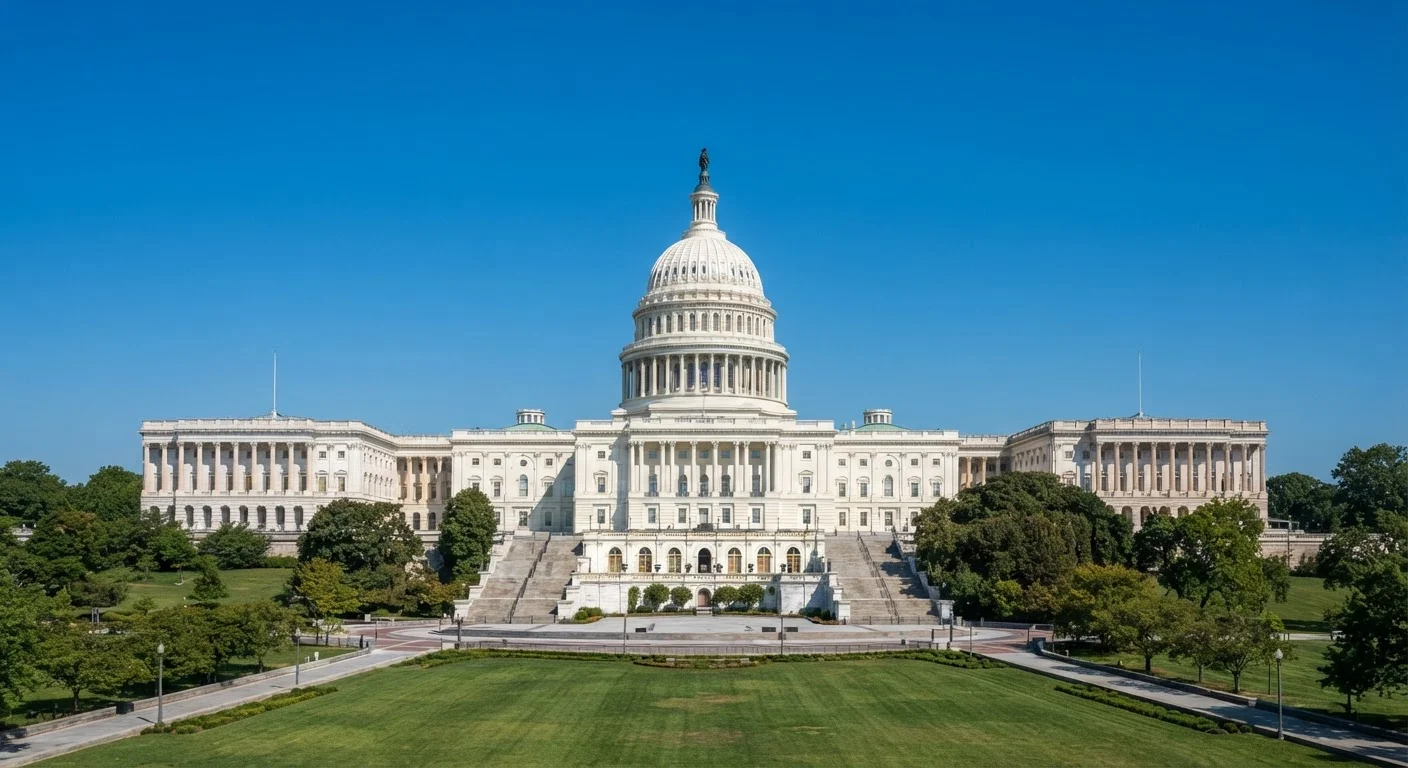
Ask most Americans when the important elections happen, and they'll say every four years. That assumption costs real political power. Midterm elections — held in the even-numbered years between presidential contests — put the entire House of Representatives and a substantial portion of the Senate on the ballot simultaneously.
Whoever controls Congress controls the legislative calendar. A Senate majority determines which presidential nominees receive confirmation hearings. A House majority decides which bills ever come to a floor vote. That makes midterms an effective check on presidential authority — and a genuine redistribution of political power — every two years.
For a deeper look at the terminology surrounding these processes, see a plain-language guide to political terms that explains concepts like cloture, reconciliation, and the filibuster.
The Turnout Gap: How Large Is It?
The gap between presidential-year and midterm turnout is substantial and consistent. According to the U.S. Elections Project, which tracks voter participation data, voter-eligible turnout in recent presidential elections has reached approximately 60 percent or above, while midterm turnout has generally hovered between 40 and 50 percent. In some earlier midterm cycles it fell below 40 percent.
That translates to tens of millions of Americans who participate in choosing a president but then sit out the elections that determine whether that president can govern effectively.
~50%
Typical midterm voter-eligible turnout
According to the U.S. Elections Project, voter-eligible participation in recent midterm cycles has generally ranged from roughly 40 to 50 percent, compared to above 60 percent in presidential election years.
3 in 4
Midterms where president's party loses House seats
Historical data spanning post-World War II elections shows the president's party has lost House seats in approximately three out of every four midterm elections.
~20 pts
Turnout gap between presidential and midterm years
The difference in voter-eligible turnout between presidential and midterm election years has frequently exceeded 15–20 percentage points in recent decades, per U.S. Elections Project data.
The pattern is not uniform. Turnout tends to be higher in competitive states, during periods of heightened political polarization, and when major policy issues — healthcare, the economy, immigration — are prominently in play. The 2018 midterms, for example, saw historically elevated turnout for a non-presidential year.
Why Voters Stay Home
Political scientists and election researchers have identified a cluster of overlapping reasons for the midterm turnout collapse. They are not all equally fixable, but understanding them helps clarify what the participation gap actually reflects.
No Presidential Race at the Top of the Ballot
Presidential contests generate enormous media coverage, advertising spending, and social attention. That visibility functions as a mobilization signal — it reminds people that an election is happening and raises the perceived stakes. Without a presidential race anchoring the ballot, many voters simply don't register that an election is approaching.
The "It Doesn't Matter" Misconception
Many non-midterm voters express the belief that congressional elections are lower-stakes. In practice, legislative control over spending, investigations, and confirmations means the opposite is often true. This belief is challenged directly in widely believed myths about how U.S. elections work.
Structural and Access Barriers
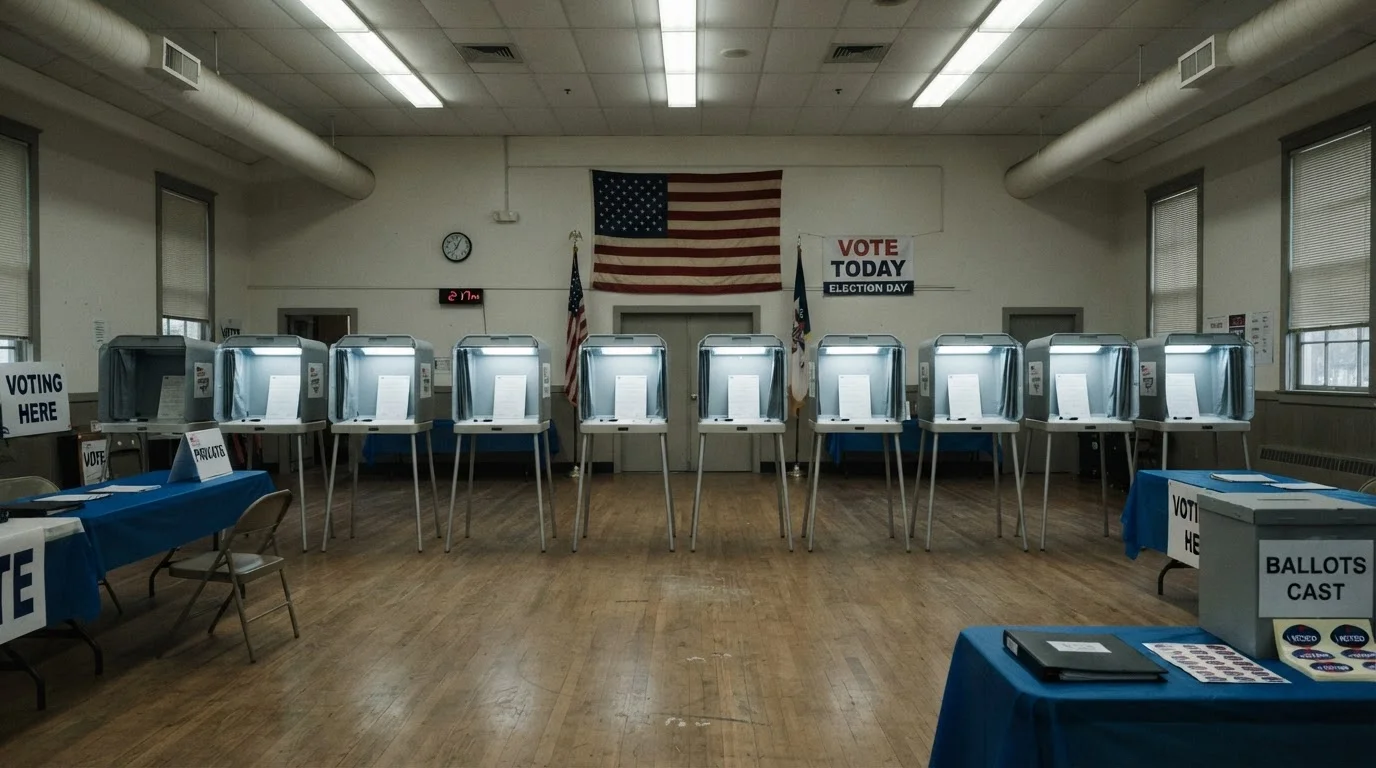
Weekday-only polling, limited early voting options in some states, strict ID requirements, and complex ballots featuring multiple races and ballot measures create friction that suppresses turnout among less politically engaged voters. These structural factors tend to affect lower-income and younger voters most acutely.
The Role of Primaries
Midterm general election outcomes are also shaped well before November. Many congressional districts are drawn to be reliably partisan, meaning the real contest happens in the primary. Primary elections versus general elections explains why so many races are effectively decided before most voters pay attention.
What Low Turnout Means for Policy Outcomes
When fewer people vote, the composition of the electorate shifts. Older, more partisan, and more ideologically motivated voters make up a larger share of the midterm electorate than of the presidential-year electorate. That tilt influences which candidates survive primaries and which general-election messages resonate.
Districts and states where one party dominates have their congressional representatives effectively chosen in primaries, often by a small fraction of registered voters. Redistricting — the once-a-decade redrawing of district lines — reinforces these dynamics by concentrating partisan voters in ways that reduce competitive general election races.
The downstream effect on policy is direct. A Congress shaped by low-turnout midterms may look meaningfully different from one that reflects the full voting-eligible population. Funding priorities, regulatory oversight, and legislative compromises all follow from who holds congressional majorities — majorities often decided when fewer than half of eligible Americans cast a ballot.
This article is intended for general informational purposes. Election rules, dates, and procedures vary by state. Readers should verify registration requirements and polling information with their state or local election authority.