The Real Cost of 'Saving' on Maintenance
Every driver has rationalized skipping a service appointment. The car feels fine, money is tight, or the schedule just doesn't allow it. The problem is that vehicle systems don't fail in isolation — one neglected component puts stress on the next, and costs compound quickly.
Routine maintenance items — oil changes, brake inspections, fluid flushes, tire rotations — are designed to catch degradation before it becomes damage. When that window closes, what would have been a modest, predictable expense becomes an urgent, expensive repair. Understanding where the real money goes is the first step toward making smarter decisions about your vehicle. For a broader look at how maintenance fits into total ownership cost, see our piece on the hidden expenses built into everyday products.
Deferred Maintenance Creates Real Safety Risks
Skipping brake, tire, and fluid maintenance isn't just a financial decision — it can put you, your passengers, and others on the road in danger. If you notice warning lights, unusual sounds, or changes in vehicle handling, have the vehicle inspected by a qualified mechanic promptly. Do not treat safety-critical systems as optional.
Common Maintenance Mistakes — and What They Actually Cost You
The mistakes below are among the most frequently skipped items in everyday vehicle care. Each one follows a predictable pattern: a small, inexpensive service gets postponed, the underlying system degrades, and the eventual repair bill dwarfs what prevention would have cost.
Skipping or indefinitely delaying oil changes.
Why it happens: Oil changes feel like an easy expense to push off, especially when the car seems to be running fine. Many drivers underestimate how quickly oil degrades and loses its ability to protect engine components.
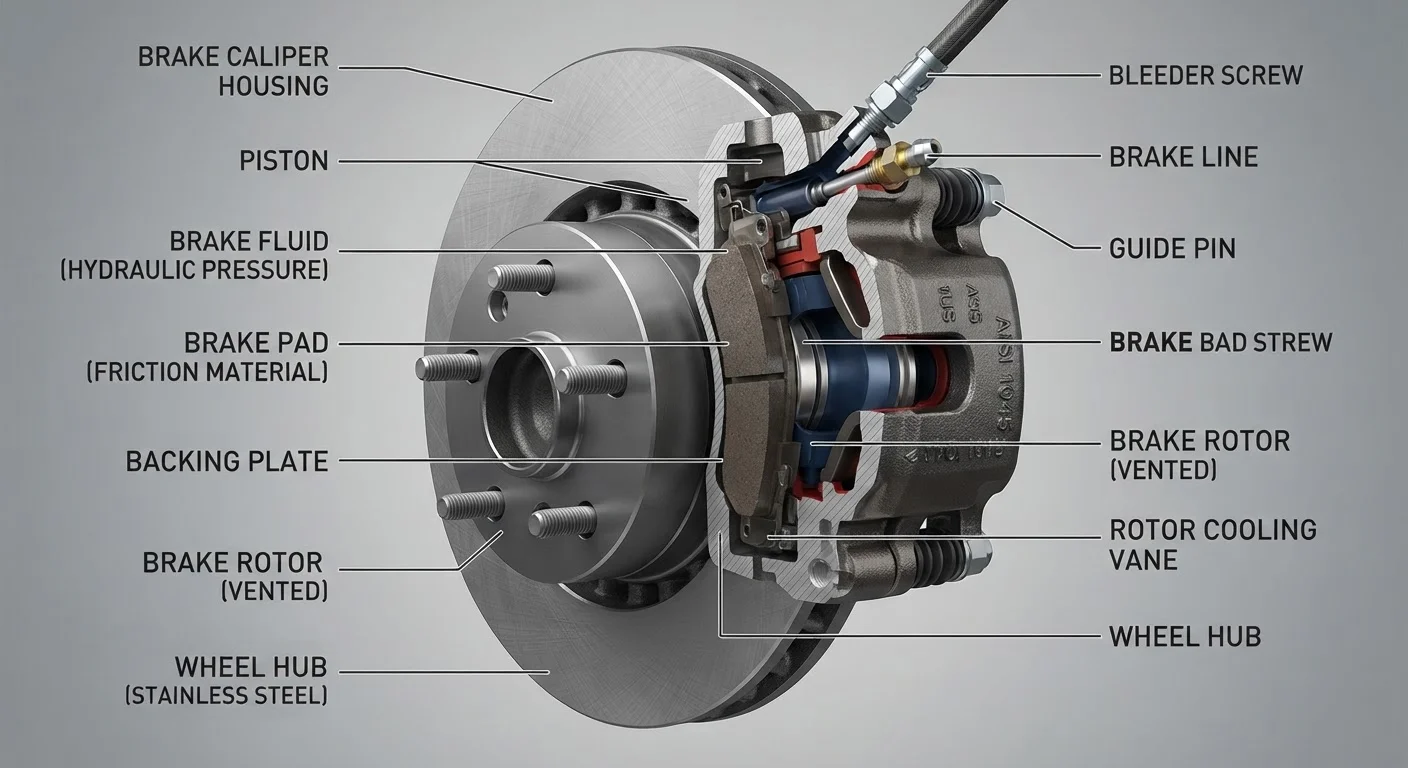
Ignoring brake pad wear until metal-on-metal contact begins.
Why it happens: Brakes degrade gradually, so drivers often adapt to declining performance without noticing. The squealing warning sound is easy to dismiss as temporary or external noise.
Neglecting coolant flushes and fluid level checks.
Why it happens: Coolant (antifreeze) is invisible during normal driving, so it rarely draws attention until a temperature warning light appears — often when overheating has already begun.
Running tires well past their safe tread depth.
Why it happens: Tire wear is gradual, and a tire that looks adequate to a casual glance may already be dangerously thin. Many drivers are unaware of the simple penny-or-quarter tread test.
Ignoring the transmission fluid service interval.
Why it happens: Transmission fluid is easy to overlook because it doesn't need attention nearly as often as motor oil, and some owners assume it never needs changing at all.
If you're weighing which tasks you can reasonably handle yourself versus which ones need a professional, our guide to DIY car maintenance vs. taking it to a shop can help you draw that line confidently.
Maintenance Pays Off Over the Life of Your Vehicle
Vehicles that receive consistent, on-schedule maintenance demonstrably last longer and retain more value. This matters especially for higher-mileage vehicles, where deferred service can accelerate the timeline to major mechanical failure. Owners of older cars should consider a slightly more attentive maintenance cadence — our guide on high-mileage vehicle care outlines what to prioritize as the odometer climbs.
The owner's manual remains the single most reliable reference for your vehicle's service requirements. Manufacturer intervals are based on engineering data specific to your engine, transmission, and climate specifications — not general rules of thumb. Keeping a simple log of completed services, whether in a notebook or a phone app, makes it far easier to stay on schedule and provides useful documentation if you sell the vehicle.
$0.09/mile
Average maintenance cost for a typical sedan
According to AAA's annual 'Your Driving Costs' study, routine maintenance averages roughly nine cents per mile for a typical new sedan — a fraction of what unplanned repairs cost.
$1,500–$4,000+
Typical transmission repair or rebuild cost
Industry repair estimates from multiple national auto service sources indicate transmission rebuilds commonly fall in this range, versus a fluid service that typically costs under $250.
~30%
Of roadside breakdowns attributed to maintenance neglect
AAA has reported that a significant share of the millions of roadside assistance calls it handles each year involve issues that proper preventive maintenance could have reduced or prevented.
Routine maintenance is not an optional expense layered on top of vehicle ownership — it is the mechanism by which ownership stays affordable. The math is straightforward: pay a little now, or pay a lot later.