What's Behind the Private Label Surge
The rise of private label — also called store brand or own brand — products is not a simple story of shoppers pinching pennies. It reflects a deeper structural shift in how Americans think about brand value, trust, and where quality actually comes from.
Sustained inflation across grocery and household categories accelerated a trend that was already building. When price gaps between store brands and national brands widened, shoppers who had never reached for a retailer's own product began experimenting. Many stayed. Research from the Private Label Manufacturers Association has consistently shown that once consumers try store-brand alternatives in a new category, repurchase rates tend to be high — suggesting the switch isn't just reactive, it becomes habitual.
Retailers themselves have fueled the shift by investing seriously in private label quality. Major chains have expanded their store-brand lines beyond generic basics into premium tiers, specialty diets, and even trend-forward products, giving shoppers fewer reasons to default to a national brand. For a broader look at how these purchasing habits are evolving, see which consumer trends have genuinely stuck.
| Criterion | Private Label | Name Brand |
|---|---|---|
| Typical Price Point | Generally 20–40% lower | Higher; reflects marketing spend |
| Quality Consistency | Varies by retailer investment | Typically tighter across batches |
| Product Range | Expanding into premium tiers | Broad; often includes specialty lines |
| Proprietary Innovation | Limited in most categories | Strong in R&D-driven categories |
| Consumer Trust Trend | Rising steadily | Stable but under pressure |
| Packaging Transparency | Improving; varies by retailer | Established but varies by brand |
| Category Breadth | Grocery, household, OTC, apparel | Virtually all consumer categories |
Where Name Brands Still Hold Ground
Declaring private label the outright winner across all categories misses important nuance. Name brands maintain defensible advantages in specific contexts — and understanding those contexts is what separates informed shopping from blanket brand avoidance.
In categories with genuine proprietary innovation — certain skincare formulations, patented pharmaceutical delivery systems, or technology products — the national brand's R&D investment often translates to measurable performance differences. The key is identifying whether a performance gap actually exists versus whether marketing has simply implied one. Branded versus generic products is a question worth examining category by category rather than as a blanket rule.
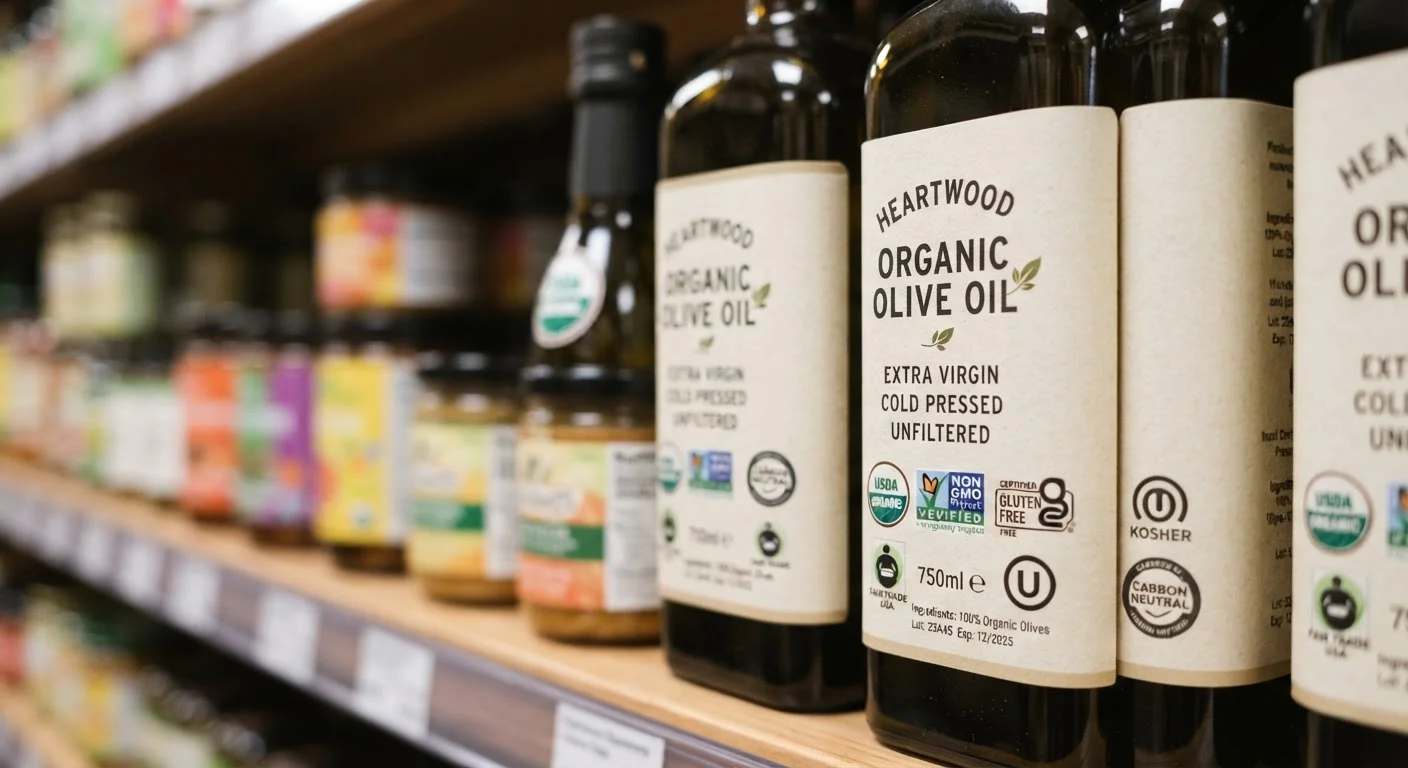
Packaging language further complicates the picture. Terms like "premium," "professional-grade," or "clinically tested" appear on both name-brand and store-brand products — and carry varying degrees of regulatory backing. Developing label literacy helps. Our guide on reading product packaging without being swayed covers what these terms actually mean.
~20%
U.S. grocery unit share held by private label
According to data from the Private Label Manufacturers Association, store brands have consistently captured roughly one in five units sold in U.S. grocery channels.
71%
Shoppers who say store brands are a good alternative
FMI – The Food Industry Association consumer surveys have found large majorities of U.S. shoppers agreeing that private label products represent a credible substitute for name brands.
~40%
Typical price gap between store and national brand
Industry analyses from organizations such as Consumer Reports have noted that private label products frequently retail at 20–40% below comparable national brand items.
The Psychology and Practicality of Switching
Brand loyalty is partly rational and partly emotional. Decades of consistent advertising have built strong associations between certain brand names and trust, nostalgia, or social identity. Switching can feel like a small act of unfamiliarity even when the functional risk is low.
What's notable about the current private label trend is that it is eroding loyalty not through price alone but through experience. As more shoppers find store-brand products satisfactory — or occasionally superior — the psychological premium attached to name brands weakens. This dynamic is particularly visible in food categories, where blind taste tests have repeatedly shown consumers struggling to distinguish store-brand from name-brand products.
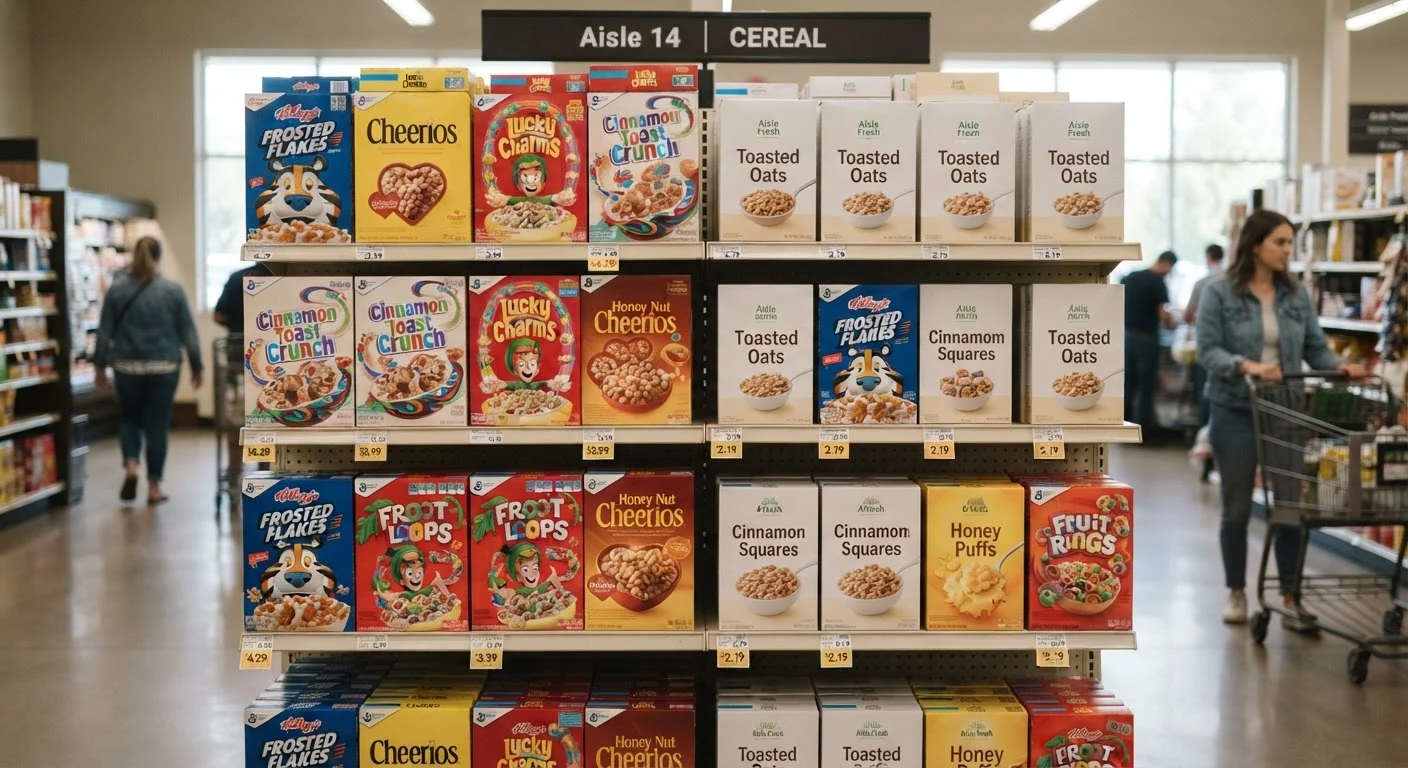
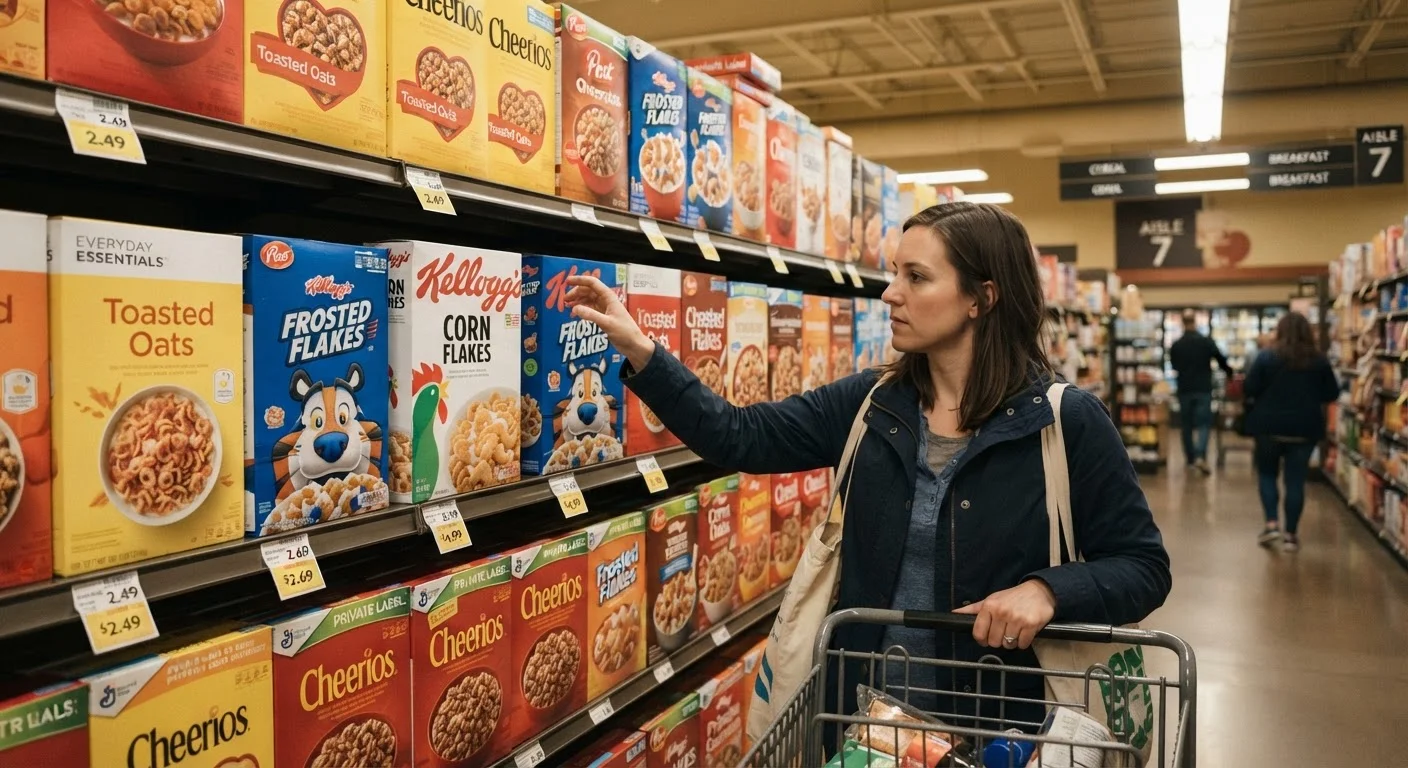
The channel through which you shop also influences your exposure to private label options. In-store shopping tends to surface store brands prominently through shelf placement and signage, while online shopping can both highlight and obscure them depending on how results are filtered. How Americans split their shopping between in-store and online shapes which products they even encounter. Building savvy buying habits means understanding those environmental nudges and making deliberate choices rather than defaulting to the familiar.
The practical takeaway is simple: evaluate products by what's in them and what they do, not by the name on the label. That approach serves shoppers better regardless of which direction the market shifts next.