Why Packaging Language Is Designed to Persuade
Product packaging serves two functions that often conflict: informing the consumer and persuading the consumer. Regulatory frameworks — the FDA for food and drugs, the FTC for general advertising — govern specific factual claims. But broad descriptive language occupies a wide, largely unregulated middle ground where manufacturers have substantial latitude.
Words like "artisan," "premium," "pure," "natural," and "professional-grade" carry intuitive positive meaning but no standardized legal definition for most product categories. Shoppers who treat these terms as verified quality signals are making a decision based on marketing, not evidence. The habit of pausing to ask, "What does this term actually mean, and who verified it?" is the foundation of more informed purchasing.
For a broader look at how shoppers are responding to label-driven decision-making, the Consumer Trends hub tracks shifting awareness and purchasing behavior.
Front-of-Pack Claims Are Not Federally Standardized
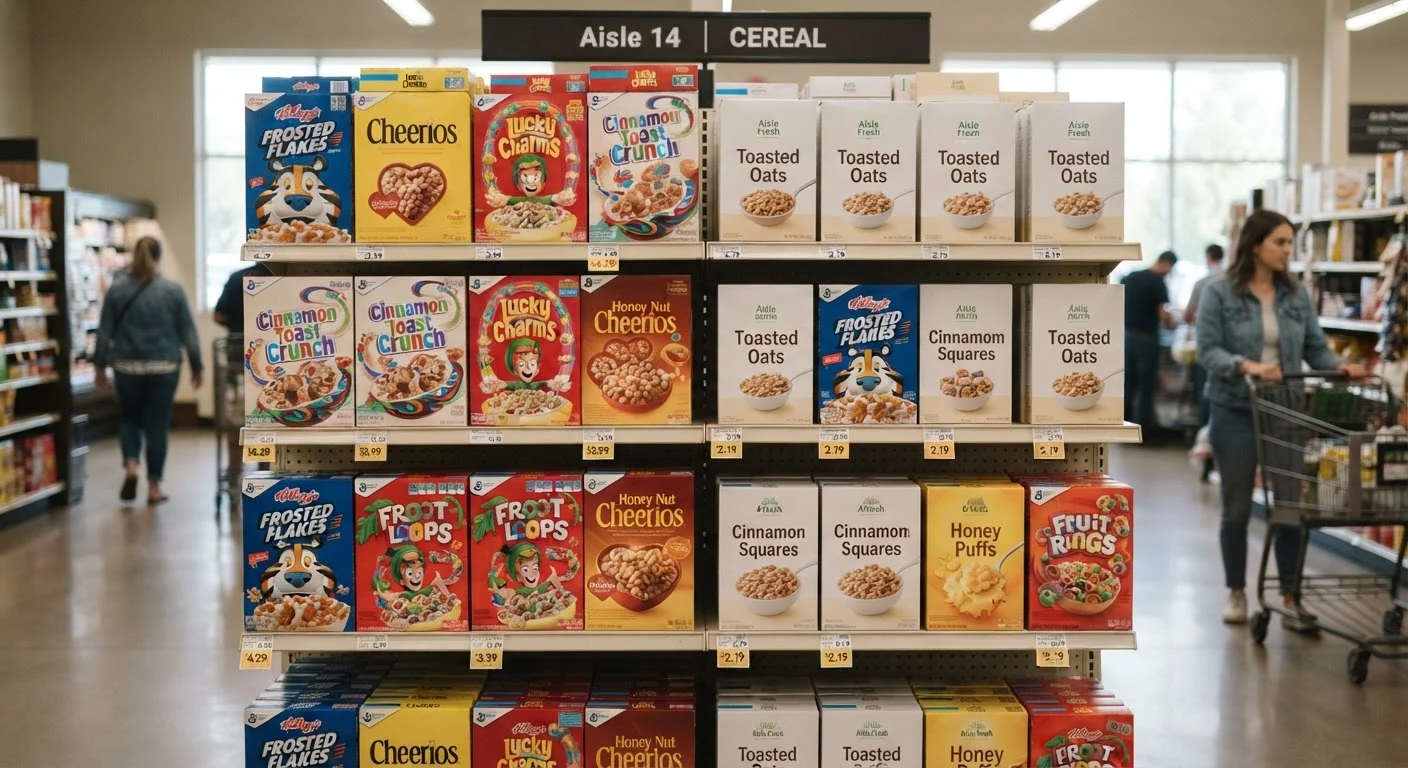
With limited exceptions — such as specific nutrient content claims regulated by the FDA — most descriptive terms on product packaging are self-applied by manufacturers without independent verification. No agency pre-approves words like 'premium,' 'artisan,' or 'professional-grade' before they appear on a label. Treat them as marketing language unless a recognized third-party certification backs them up.
The Most Common Labeling Mistakes Shoppers Make
Below are the most frequent errors consumers make when interpreting packaging claims — along with why they occur and how to avoid them.
Treating unregulated marketing terms as verified quality standards.
Why it happens: Words like 'natural,' 'pure,' and 'premium' feel authoritative and imply a higher standard. Shoppers reasonably assume some oversight exists behind such claims.
Equating a longer ingredient or feature list with higher product quality.
Why it happens: More items on a list can feel like more value. Brands exploit this by adding low-concentration ingredients or minor features just to list them prominently.
Assuming 'professional-grade' or 'commercial-strength' indicates measurably superior performance.
Why it happens: These terms borrow credibility from professional industries and imply a product has been vetted for demanding use. No standard governs their use.
Using country-of-origin labeling as a shorthand for overall product quality.
Why it happens: Country of origin is a visible, tangible data point, and popular assumptions link certain countries to either quality or cost-cutting. The reality is more nuanced.
Overlooking the difference between 'added sugar' and naturally occurring sugar in food products.
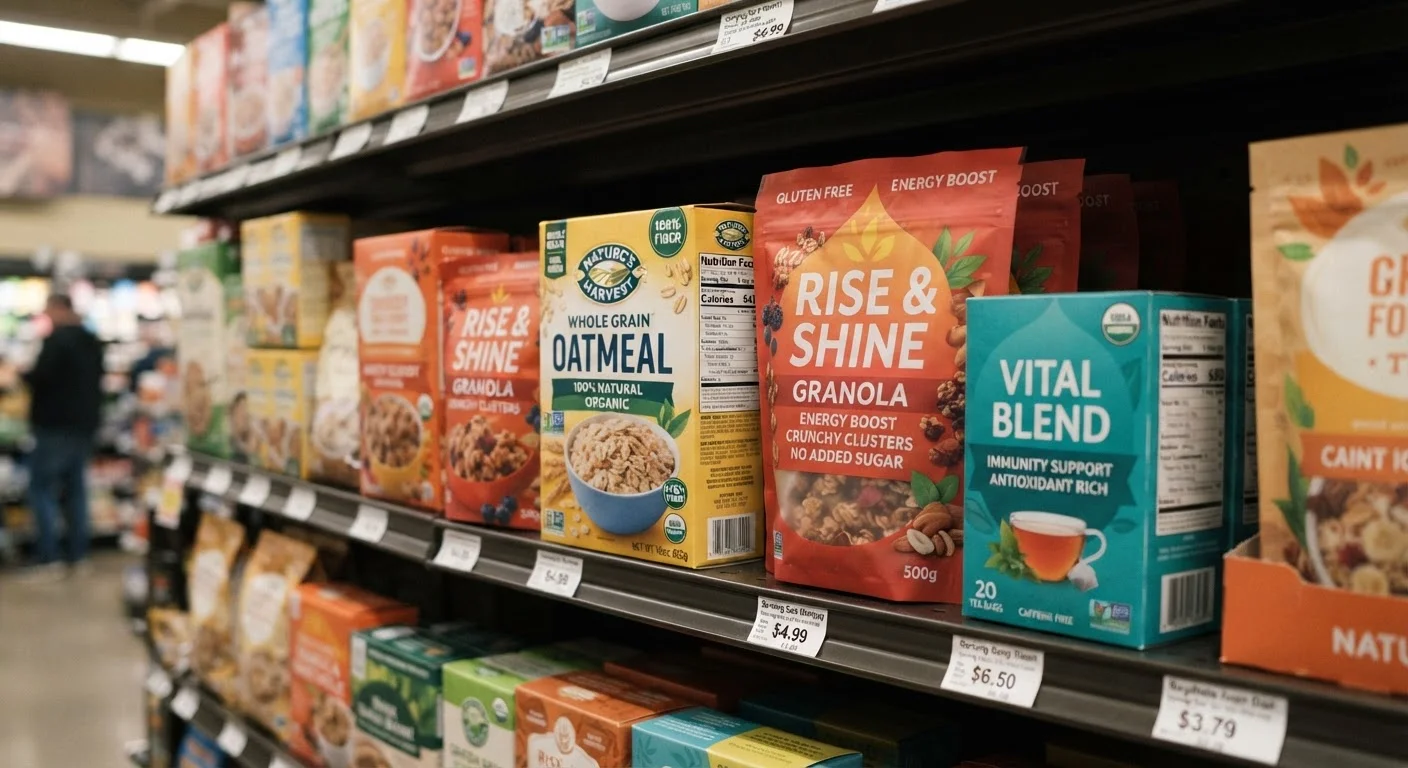
Why it happens: Front-of-pack messaging like 'no added sugar' or 'naturally sweetened' sounds healthy, causing shoppers to skip the nutrition facts panel where the full picture lives.
Building resistance to these patterns isn't about distrust — it's about applying the same critical lens you'd use on any persuasive message. The Savvy Buying Habits hub offers additional frameworks for making more intentional purchasing decisions across product categories.
Where to Look When the Front Panel Isn't Enough
Front-of-package design is deliberately optimized to direct attention toward favorable claims. Flipping the product over — or drilling into spec sheets online — typically yields more verifiable information. For food products, the Nutrition Facts panel and ingredient list are regulated in structure and content. What the Nutrition Facts label is actually telling you offers a line-by-line breakdown, and reading an ingredient list without getting confused addresses how ingredient ordering and additive naming works.
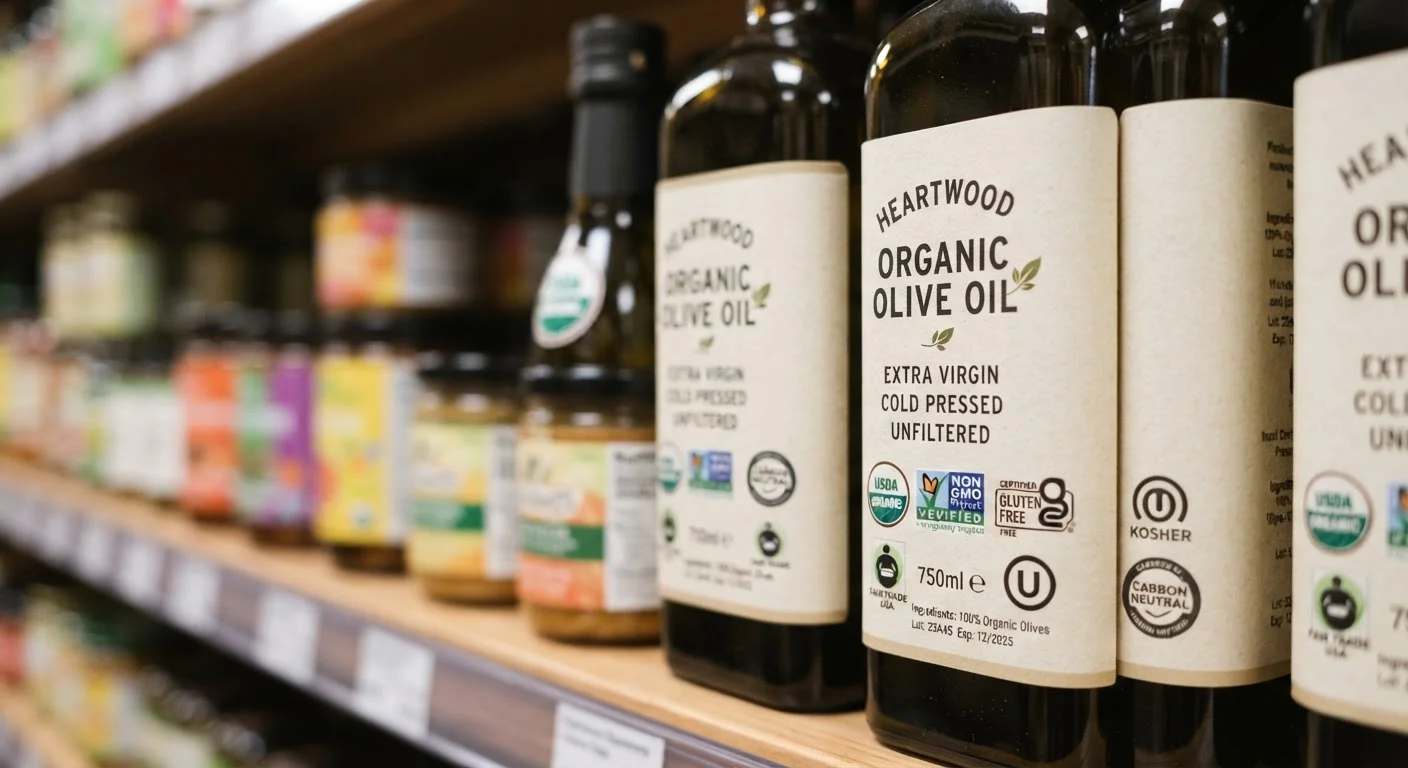
For non-food products, look for third-party certifications from recognized bodies, independently tested performance figures, and material specifications that can be compared across products. The Branded vs. Generic guide explains which product categories are more likely to see meaningful quality differences tied to the label — and which aren't. When certifications are present, certifications and standards labels can help you evaluate whether a given logo represents genuine independent verification.
This article is for general informational purposes only. Regulatory rules and labeling standards vary by product category and are subject to change; consult official agency guidance or a qualified professional when making high-stakes purchasing decisions.