The Store Is a System Built Around You
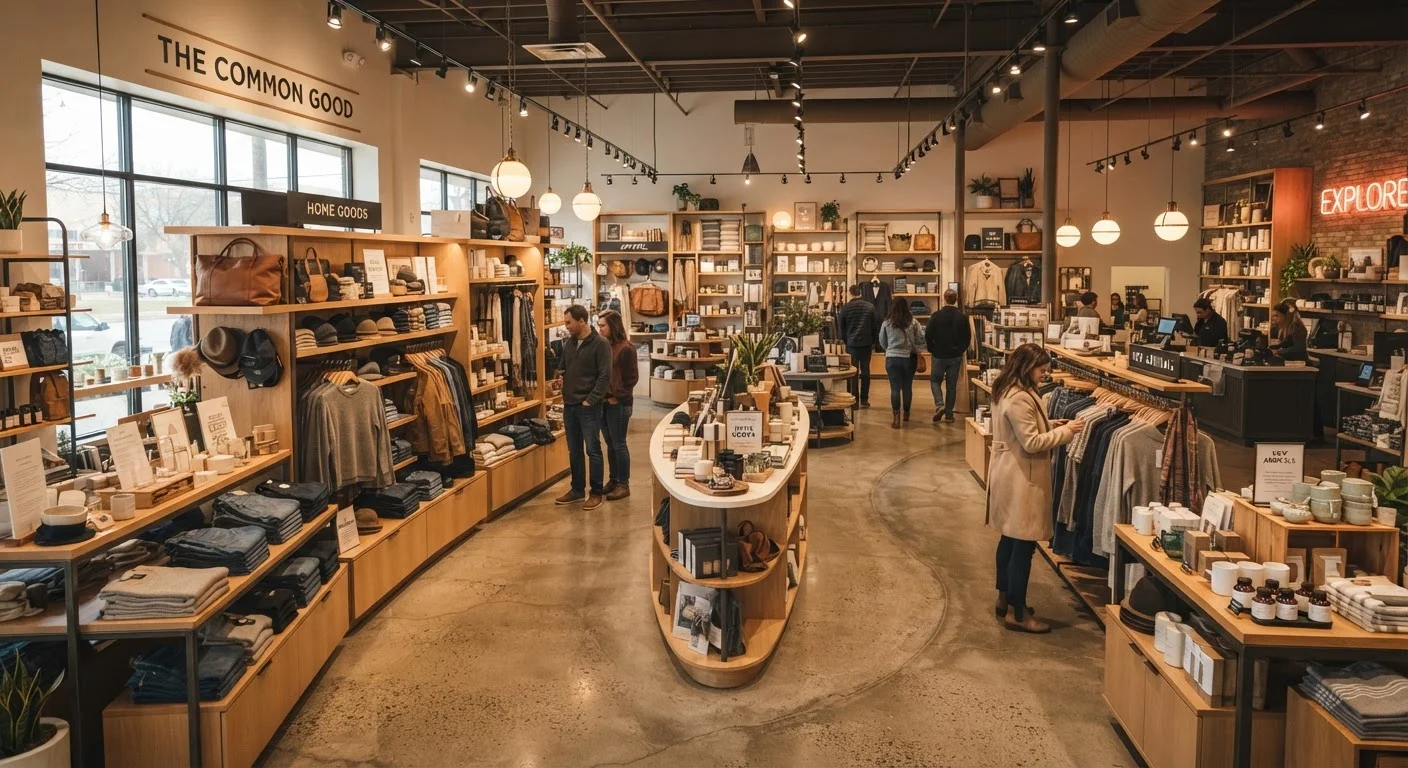
Walking into a retail store can feel like a neutral act — you need something, you go get it. But the environment you enter is anything but neutral. Store designers, merchandising teams, and consumer psychologists collaborate to create spaces that guide your attention, extend your visit, and broaden what lands in your cart.
This isn't a new phenomenon. Retailers have refined these techniques for decades, drawing on behavioral research to fine-tune everything from aisle width to checkout counter height. Understanding the system is the first step toward navigating it deliberately rather than reactively. For a broader look at the cognitive dynamics at play, see the psychology behind why we buy things we don't need.
Layout: How Stores Shape Your Path
Most large retail stores use one of a handful of proven layout formats. The racetrack layout (also called a loop layout) guides shoppers along a winding path that passes through multiple departments before reaching the exit. The grid layout, common in grocery stores, uses long parallel aisles that make it easy to cover the full store systematically — and hard to leave quickly.
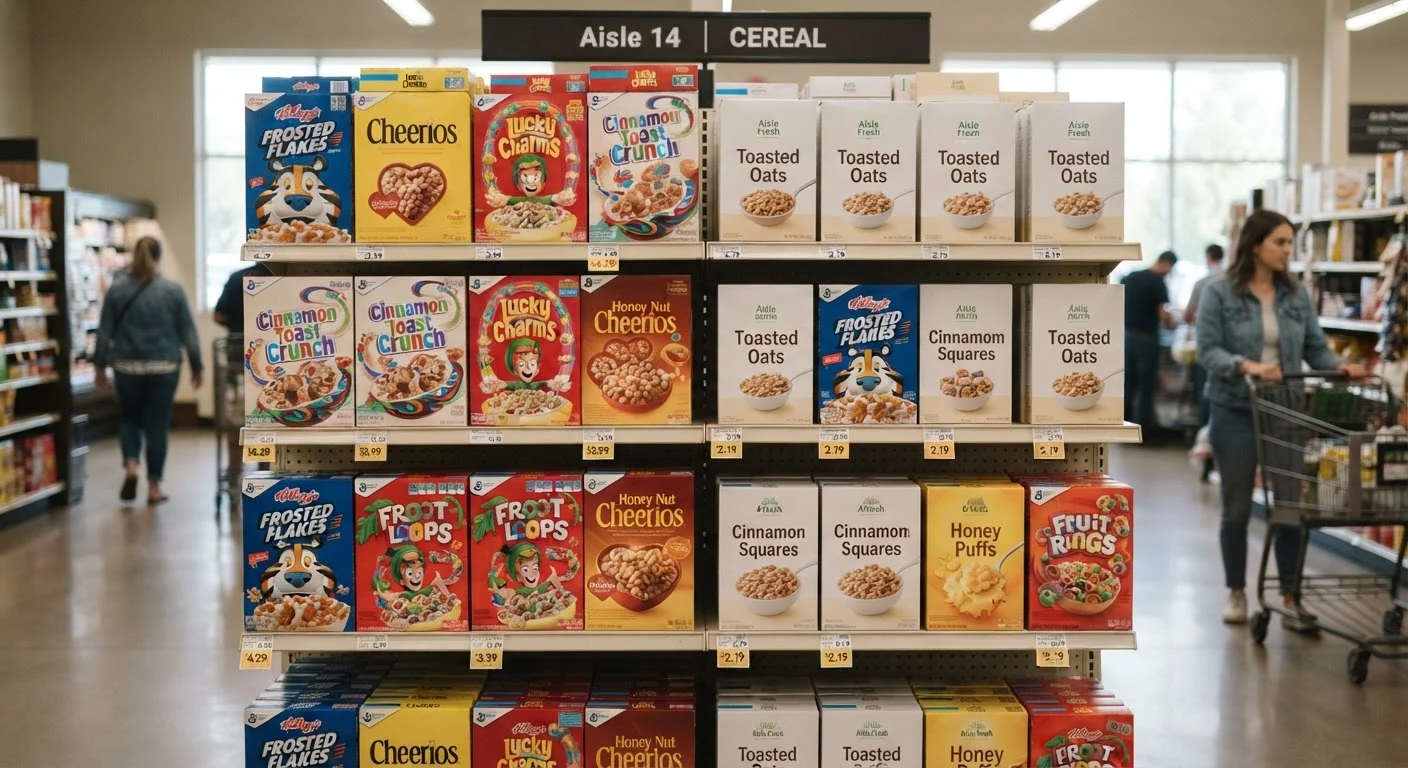
Destination products — items nearly every shopper needs, like dairy, eggs, or pharmacy staples — are typically placed at the far end of the store. This increases the distance a shopper must travel, and therefore the number of products they encounter. End-cap displays at the heads of aisles receive disproportionate attention and are often used for promotional or high-margin items.
Enter With a Plan to Reduce Drift
Knowing your list before you walk in is one of the simplest and most effective counters to retail environment design. A written list externalizes your intention, making it less subject to in-the-moment influence from layout, scent, or end-cap displays. Even a rough mental plan of which sections you need to visit helps you move with purpose rather than being guided by the store's designed path.
Shoppers who enter with a written list and a rough mental map of the store they're visiting tend to complete trips more efficiently. Shopping with a structured list is one of the most evidence-supported habits for reducing unplanned purchases.
Sensory Design: What You Hear, See, and Smell
Beyond layout, retailers invest significantly in the ambient experience. Each sensory channel is managed with a specific behavioral goal in mind.
- Lighting: Warm, flattering lighting in apparel sections makes merchandise — and shoppers — look more appealing. Bright, cool lighting in grocery produce sections signals freshness. Accent lighting draws the eye toward premium or featured products.
- Music: Consumer research has shown that slower-tempo music correlates with slower shopper movement and longer dwell times. Volume and genre are also calibrated to the target demographic of the store.
- Scent: Scent marketing uses ambient aromas to create positive emotional states and increase time spent in the store. Bakery smells near a store entrance, for example, can prime shoppers to respond more favorably to food-related products throughout the visit.
These cues work largely below conscious awareness, which is part of what makes them effective. Recognizing that you're in a curated sensory environment — rather than a neutral one — can shift the experience from passive to deliberate.
Product Placement and the Economics of Shelf Space
Where a product sits on a shelf is rarely determined by chance. Eye-level placement is the most valuable position in physical retail, and it is frequently negotiated between retailers and suppliers as a commercial arrangement. Products placed at eye level outsell those on lower or higher shelves across most product categories.
Checkout zones are a separate category of placement strategy. The items clustered near registers — small, low-cost, immediately gratifying — are specifically chosen to capture last-minute additions. These are sometimes called impulse zones, and they exploit a shopper's reduced decision-making energy at the end of a trip.
60–70%
Share of supermarket purchases that are unplanned
Estimates from consumer research and industry studies consistently suggest that a substantial majority of grocery purchases were not on the shopper's original list, reflecting the effectiveness of in-store environmental design.
~38%
Increase in sales linked to congruent in-store scent
Research published in the Journal of Retailing found that ambient scent matching the product category (e.g., a floral scent in a floral products section) was associated with meaningfully higher sales compared to no-scent conditions.
Eye level
Shelf position most likely to drive purchase
Across multiple retail categories, products positioned at shoppers' eye level consistently outperform those on higher or lower shelves, a finding well established in merchandising and shopper marketing research.
Understanding the economics of shelf space connects to broader consumer trends shaping how American buyers interact with retail environments today.
Shopping Intentionally in a Designed Environment
None of this is intended to suggest that retail influence tactics are inherently harmful — they are simply the mechanics of modern commerce. But awareness creates choice. Shoppers who understand that the store is a designed system can make more deliberate decisions about when to follow its cues and when to override them.
A few practical orientations help. Deciding what you need before you enter — and sticking to that list — reduces the surface area for unplanned additions. Moving through stores with a specific destination in mind, rather than browsing open-endedly, limits exposure to peripheral temptations. Pausing before adding an unplanned item and asking whether it serves a genuine need introduces a friction point that retail environments deliberately try to eliminate.
For readers who want to develop this kind of discipline more systematically, the habits that separate intentional shoppers from reactive ones offers a structured framework. And if online shopping is where most of your spending happens, the same principles translate — see building a smarter relationship with online shopping for the digital equivalent of these tactics.