Why Winter in Europe Deserves a Second Look
There's a persistent myth that Europe shuts down after the summer crowds leave. In reality, winter is when many of these cities exhale. Museum lines shrink, restaurants become easier to walk into, and the streets take on a texture that's harder to see when they're packed with tour groups. Accommodation prices in many destinations drop noticeably compared to peak summer rates, though the gap varies by city and year.
That said, winter travel requires honest planning. Daylight is limited — some northern cities see fewer than eight hours of usable light in December. Some attractions reduce their hours or close entirely. Weather ranges from rainy and mild in Lisbon to genuinely frigid in Prague. Getting the most out of a winter trip means choosing a destination that offers something specific during the cold months, not just tolerating the season. The cities below each make a real case for winter on their own terms.
For help structuring your days realistically given shorter daylight windows, see our guide to building a trip itinerary that actually works.
Vienna, Austria — Imperial Culture With a Winter Identity
Vienna's cultural infrastructure was built for indoor life, which makes it a natural winter destination. The Kunsthistorisches Museum, the Vienna State Opera, and the city's extraordinary café culture — where lingering over a Melange for two hours is genuinely encouraged — are all best experienced without the summer foot traffic. December brings the famous Christkindlmarkt Christmas markets, and January and February are prime months for classical concerts, when ticket availability is much better than in high season. The city's public transit system is excellent, making it easy to move between neighborhoods even in cold or wet conditions.
Vienna's café culture and opera scene were built for long, cold winters — and it shows.
Lisbon, Portugal — Mild Temperatures and an Off-Season Pace
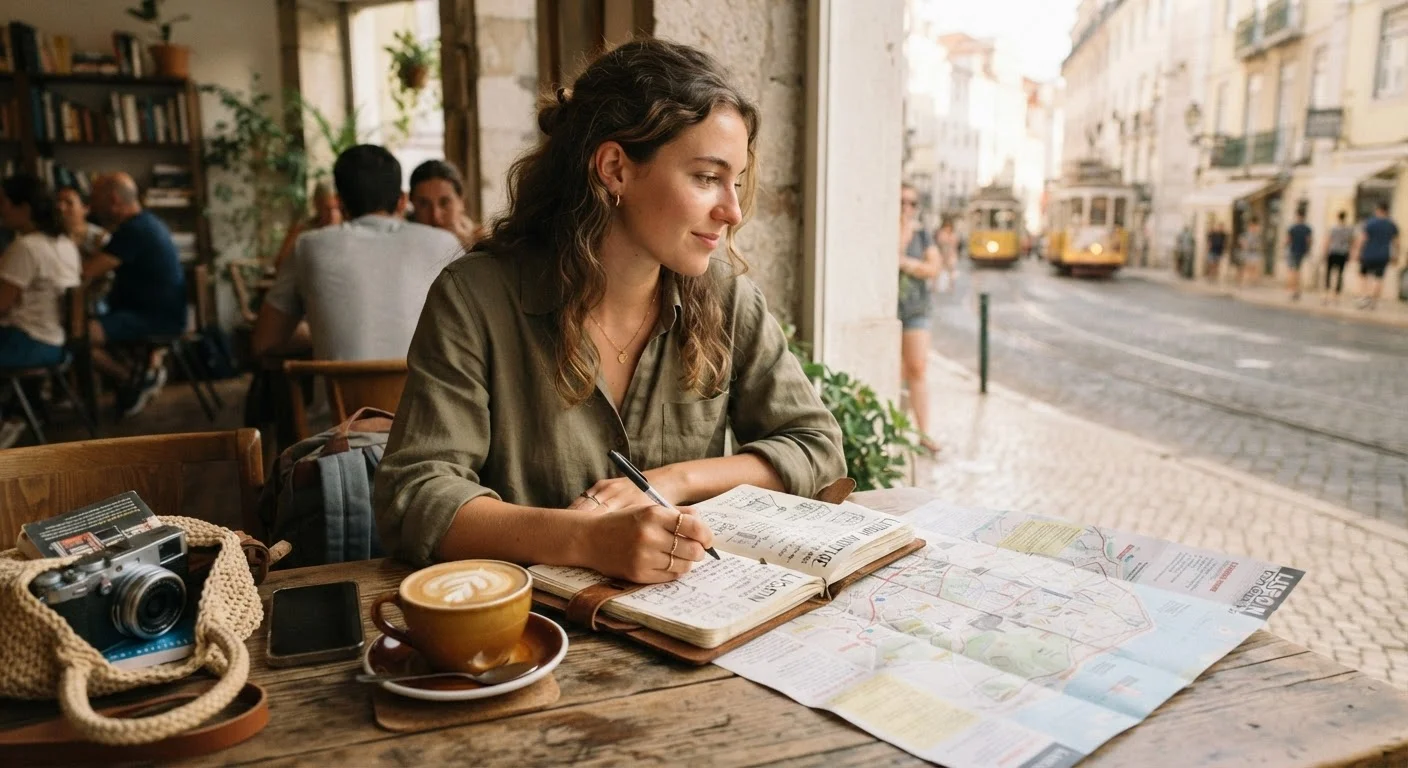
Lisbon is one of Western Europe's warmer winter options. Daytime temperatures commonly sit in the mid-50s Fahrenheit (low teens Celsius) from December through February, and while rain is frequent, extended stretches of sunshine are common. The city's tram lines, tiled façades, and Fado music venues take on a quieter, more contemplative character once summer is over. The Alfama and Mouraria neighborhoods are particularly worth exploring on foot during cooler months when the steep, narrow streets are less congested. Note that some smaller museums and viewpoints may have reduced winter hours, so checking ahead is worthwhile.
Lisbon's mild winters and quieter streets make it one of Europe's most manageable cold-season cities.
Prague, Czech Republic — Atmosphere Over Comfort
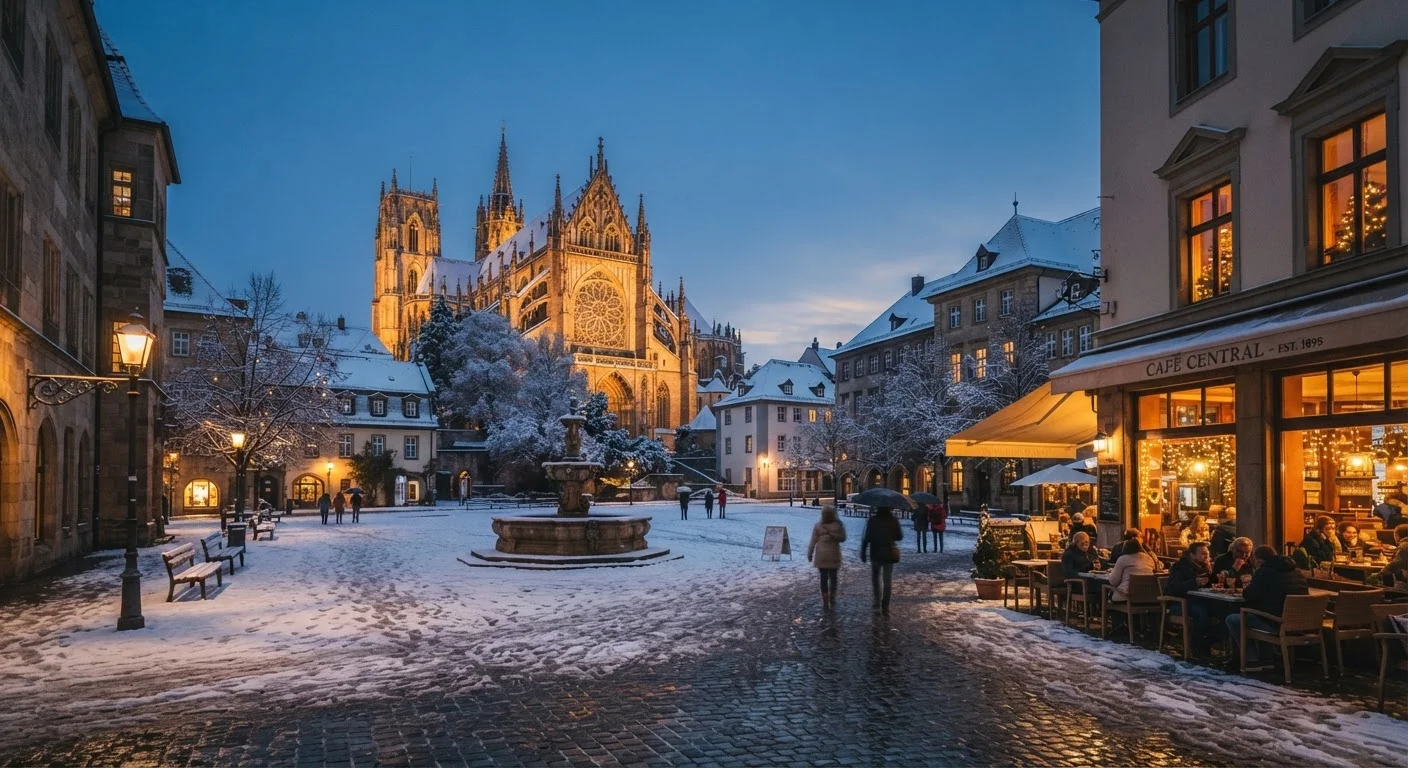
Prague in winter requires a cold-weather wardrobe — January temperatures regularly drop below freezing — but the payoff is a city that looks like a film set without the summertime crush. The Old Town Square and Charles Bridge are genuinely dramatic under frost or light snow, and the city's beer halls and traditional restaurants become even more inviting. Prague's Christmas market in the Old Town Square runs through late December and is considered one of the more atmospheric in Central Europe. Visitors should verify current market dates and hours with local tourism sources, as these can shift year to year.
Prague's historic core looks most dramatic — and least crowded — under a January frost.
Seville, Spain — A Southern European Outlier
Seville makes an unusual winter case: December through February brings temperatures often in the 50s and 60s Fahrenheit (teens Celsius), making outdoor sightseeing comfortable when much of Europe is deep in cold. The Alcázar palace complex, the cathedral, and the Triana neighborhood are all more accessible without summer's long queues and heat. Seville's winter also features a quieter version of its famous tapas culture — fewer tourists means easier conversations with locals in the neighborhood bars. The city's Semana Santa (Holy Week) and Feria de Abril fall in spring, but winter offers the architecture and food scene without the crowds that accompany those festivals.
Seville offers genuinely warm winter days and empty Alcázar courtyards — a rare combination.
Amsterdam, Netherlands — Museums Without the Wait
Amsterdam's winter is damp and grey by most measures, but the city's indoor offerings are among the strongest in Europe. The Rijksmuseum, the Van Gogh Museum, and the Anne Frank House all become more accessible in winter months — though the Anne Frank House in particular requires advance booking regardless of season. The canal houses and gabled architecture read beautifully in the flat winter light, and the city's brown cafés (bruine kroegen) are warm, sociable spaces designed exactly for cold-weather evenings. If crowds and overtourism are concerns, winter is meaningfully better — though Amsterdam remains popular year-round.
Amsterdam's world-class museums are at their most approachable when the summer tourist wave recedes.
Bologna, Italy — Food Culture as the Main Event
Bologna is often called Italy's food capital, and winter is when that identity is most purely on display. With fewer visitors than Rome or Florence, the city's tortellini, mortadella, and ragu traditions can be explored in trattorias where the clientele is largely local. The Quadrilatero market district, the covered porticoes that line virtually every street (a UNESCO-recognized feature), and the university's medieval towers all reward slow exploration. Bologna tends to be overlooked on standard Italy itineraries, which means its winter visitor numbers are even more modest — a genuine advantage for travelers who want to engage with a city rather than move through it. Understanding the tradeoffs of off-peak travel can help you weigh whether winter timing aligns with your priorities.
Bologna's food-first identity comes through most clearly when the city is running at its own pace.
Making the Most of a Winter European Trip
Wherever you land, a few habits will improve a winter European trip considerably. Book indoor experiences — cooking classes, museum timed entries, opera or concert tickets — early, since they fill up even in the off-season. Layer clothing effectively rather than relying on a single heavy coat. Carry a compact umbrella for the unpredictable Atlantic-influenced weather in western cities.
Winter also tends to surface more authentic versions of these places. Overtourism genuinely reshapes a destination's experience — and winter is one of the few levers available to independent travelers who want to sidestep it without abandoning the great cities entirely. Check official tourism authority and government websites for current entry requirements, local holiday closures, and any seasonal advisories before you finalize plans.
Verify Hours and Closures Before You Go
Winter hours at European museums, historic sites, and even some restaurants differ significantly from summer schedules. Public holidays in December and January can mean full closures at sites that appear open in online listings. Always check directly with the venue or through the official local tourism authority website within a week of your visit — not just at the time of booking.