The Gap Between 'Popular' and 'Overwhelmed'
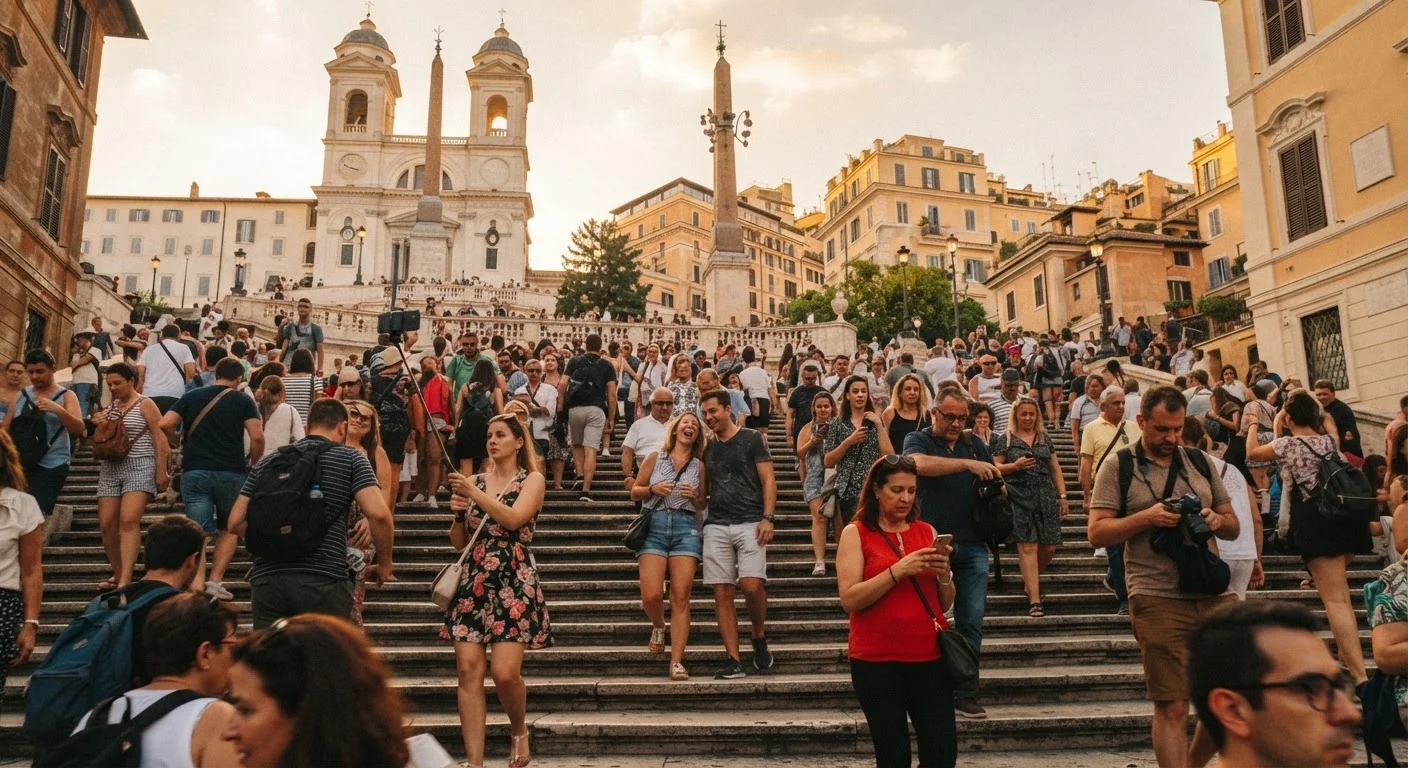
Every travel era has its it-places. But there's a meaningful difference between a destination that's thriving under tourist attention and one that's buckiling under it. When locals can no longer afford to rent in their own neighborhoods, when the morning queue at a famous viewpoint stretches for hours before the site even opens, or when fragile ecosystems show measurable decline — that's the territory of overtourism.
The term gained mainstream traction in the mid-2010s as social media accelerated the spread of bucket-list destinations. A single viral photo could send visitor numbers spiking within weeks. Infrastructure that took decades to build couldn't adapt that fast, and neither could communities.
Understanding this distinction matters because it changes how you should plan. A destination being called overtouristed is a signal — not a stop sign, but a reason to ask smarter questions before you book. See how good destination research can sharpen your picture before committing to any trip.
What Actually Gets Strained
Overtourism doesn't hit every part of a destination equally. The pressure concentrates in predictable places:
- Housing and cost of living: When short-term rental platforms dominate local housing stock, residents get priced out. This is well-documented in cities like Venice and Amsterdam, where local populations have visibly declined in the most tourist-dense neighborhoods.
- Physical sites: Foot traffic erodes ancient stone. Salt from human breath damages cave paintings. Some of the most striking damage at heritage sites comes not from neglect but from love — too many visitors, too frequently.
- Local infrastructure: Public transit, sewage systems, water supply, and waste management were built for resident populations. Heavy tourist seasons can push these systems well beyond their design capacity.
- Cultural character: Perhaps the subtlest effect — when souvenir shops replace the bakeries and hardware stores that serve locals, the authentic texture of a place quietly disappears.
1.5B+
International tourist arrivals recorded globally pre-pandemic
According to the UN World Tourism Organization, international arrivals surpassed 1.5 billion in 2019, the year widely cited as a tipping point for overtourism discussions.
~70%
Share of tourism concentrated in a small fraction of destinations
Tourism economists have long noted that the majority of global tourist spending clusters in a relatively small number of marquee destinations, amplifying pressure in those locations while others remain undervisited.
2,500
Daily visitor cap at Machu Picchu (approximately)
Peru's government has periodically revised visitor limits at Machu Picchu in response to conservation concerns; verify the current cap and booking requirements through official Peruvian heritage authorities before planning your visit.
What the Label Means for Your On-the-Ground Experience
If you're visiting a widely flagged overtouristed destination, expect a few realities. Iconic viewpoints will likely be crowded during peak hours regardless of season. Some access — to ruins, natural areas, or historic districts — may now require advance timed-entry tickets that sell out weeks ahead. Prices near major attractions will reflect the captive audience. And the experience of 'discovering' anything may feel elusive.
That said, many heavily visited destinations have worked hard to distribute pressure. Split visiting hours, new access routes, and promoted alternatives can shift the experience considerably. European winter travel is a good example of how a seasonal shift can transform a crowd-heavy destination into something entirely different.
Shoulder season — typically the weeks just before or after peak — often offers the best balance: reasonable access, milder crowds, and prices that reflect reality rather than scarcity.
Planning Smarter Around Overtourism
A well-structured itinerary is your first defense. Rather than chasing the most-photographed moment at each site, consider building your schedule around what the destination does well beyond its headline attraction. Local neighborhoods, regional day trips, and timing your big-ticket visits for early morning or late afternoon can genuinely transform the experience.
Book Access Before You Book Flights
For destinations with timed-entry permits or visitor caps — Machu Picchu, certain Italian coastal towns, or managed natural reserves — confirm current booking requirements through the official site authority before finalizing travel dates. Entry availability often determines everything else in your schedule.
When a destination uses a timed-entry or quota system, treat booking that ticket as step one — before accommodation, before flights. Machu Picchu, for instance, has shifted to a permit-based entry system with specific time slots. Missing that window means missing the site entirely.
Your itinerary architecture matters too. See our guide to building a trip itinerary that actually works for a framework that builds in flexibility without sacrificing the moments you came for.