
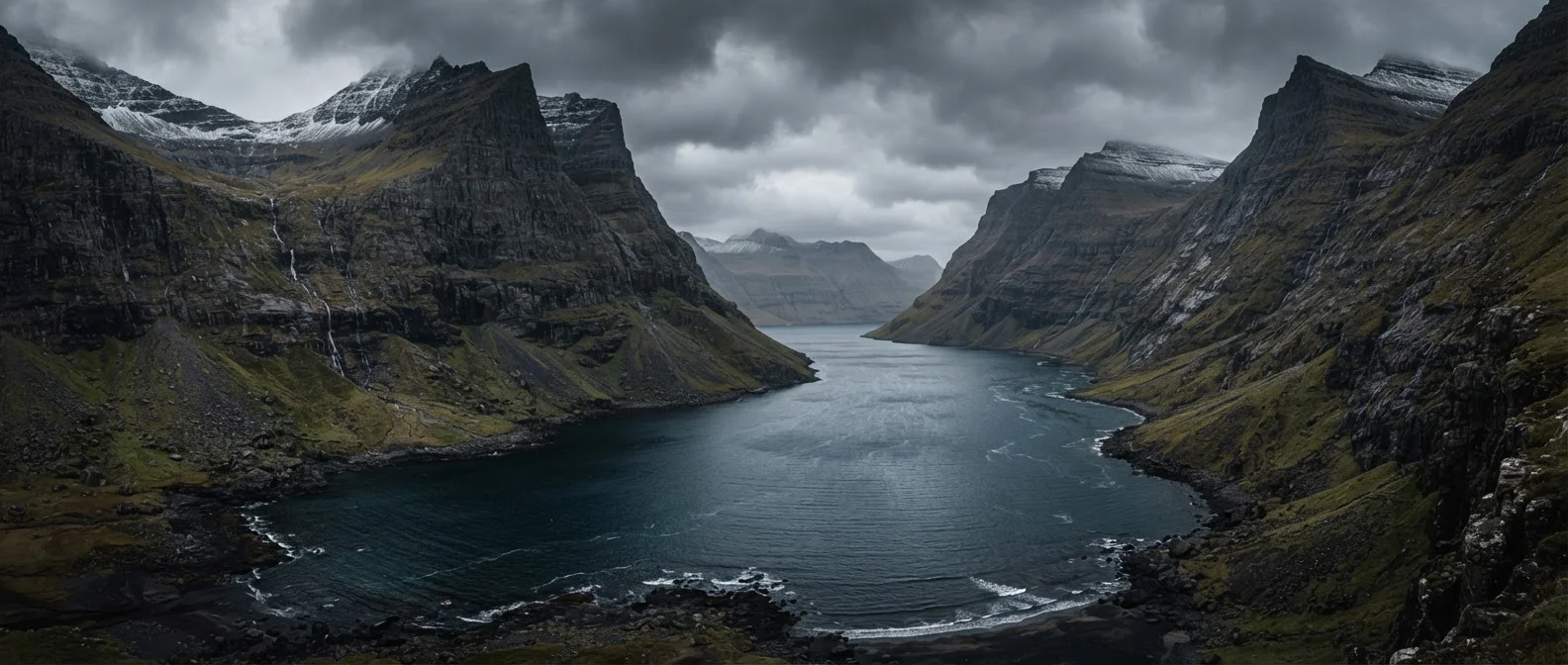
Why Iceland's Edges Deserve Your Attention
Iceland's Ring Road — Route 1 — loops around the entire country and has become one of the world's most popular self-drive itineraries. It's spectacular, no question. But that popularity has a cost: summer brings bus convoys and packed parking lots at waterfalls that once felt genuinely remote. Step even slightly off this main corridor, and Iceland transforms into something quieter, stranger, and more extraordinary.
The regions that most visitors never reach aren't obscure for lack of beauty. They're off the radar because they demand more: better vehicles, longer driving times, more careful logistics, and a willingness to be genuinely far from help if something goes wrong. For travelers who are ready for that, the reward is an Iceland that still feels largely uncharted.
Before diving in, a practical note: road conditions in Iceland's remote areas change rapidly with weather and season. Always check the Icelandic Road and Coastal Administration's website (road.is) before heading out, and verify entry requirements and travel advisories with your government's official travel portal. Conditions described here are general and may shift significantly by the time you travel.
The Westfjords: Iceland's Most Dramatic Peninsula
Jutting northwest from the main island like a weathered hand, the Westfjords are Iceland's largest and least-visited region. The fjords here are narrower, steeper, and more numerous than anywhere else in the country. Ísafjörður, the region's main town, is a genuinely charming place with colorful timber buildings, a small airport, and a surprising cultural scene for somewhere so remote.
The Hornstrandir Nature Reserve at the peninsula's northern tip is accessible only by ferry or boat and is completely uninhabited — no roads, no services, and Arctic foxes that have lost nearly all fear of humans because hunting has been banned for decades. Day hikes and multi-day treks here rank among the most memorable walking in Europe.
The road system in the Westfjords is notably slow — sharp fjord geography means you drive around every inlet rather than across them. Budget significantly more driving time than maps suggest. Many travelers fly into Ísafjörður rather than driving the full route from Reykjavík.
Hornstrandir's fearless Arctic foxes and untouched coastline make it unlike anywhere else in Iceland.
The Eastfjords: Quiet Beauty Without the Crowds
The east coast sits directly across the island from Reykjavík and receives a fraction of its visitor traffic, even though it's technically part of the Ring Road route. Slow down here — really slow down — and you'll find narrow fjords lined with small fishing villages, reindeer grazing on hillsides, and a pace of life that feels almost forgotten.
Seyðisfjörður is the standout town: a beautifully preserved valley village with painted houses, a famous rainbow street leading to the historic church, and a thriving arts community. It's also the eastern terminus of the Smyril Line ferry from Denmark, meaning it's a possible entry point into Iceland rather than just a stop along the way.
Hiking in the Eastfjords tends to be unmarked and genuinely wild — bring proper navigation tools rather than relying on phone signal, which is patchy at best. The region rewards those who simply drive slowly, stop when something looks interesting, and talk to locals at the small guesthouses that dot the route.
Seyðisfjörður's arts scene and ferry connections make it one of Iceland's most underrated entry points.
The Highland Interior: Iceland's Lunar Heartland
The Icelandic highlands — called hálendi — are accessible only in summer, only by F-road (highland track), and only in a proper 4WD. This is where Iceland earns its reputation as another planet. The Landmannalaugar area features rhyolite mountains painted in greens, reds, and yellows that look almost digitally enhanced. The Kjölur route cuts straight through the interior past two glaciers and the historically significant ruins of Kerlingarfjöll.
The famous Laugavegur Trail — a multi-day backpacking route between Landmannalaugar and Þórsmörk — is widely considered one of the world's great hiking trails, passing through geothermal fields, obsidian plains, and glacier-edged valleys. Hut bookings fill up well in advance; plan accordingly.
No services exist inside the highland interior beyond basic mountain huts. Highland rivers can rise rapidly and become impassable after rainfall — crossing them requires experience and caution. Never attempt an F-road route without checking current road status at road.is immediately before departure.
Landmannalaugar's technicolor rhyolite mountains are the highland interior's undisputed visual centerpiece.
The Snæfellsnes Peninsula: Accessible but Often Skipped
Snæfellsnes sits about two hours from Reykjavík and is sometimes called "Iceland in miniature" — in a single day you can encounter lava fields, black sand beaches, fishing villages, glacier tongues, and sea cliffs crowded with seabirds. Despite this, it sees far fewer visitors than the south coast sites like Seljalandsfoss or Jökulsárlón.
The Snæfellsjökull glacier at the peninsula's tip inspired Jules Verne's Journey to the Center of the Earth and now forms the heart of a national park. On clear days it's visible from Reykjavík across the water. The small town of Arnarstapi offers dramatic coastal basalt formations and an easy cliff walk to Hellnar.
Snæfellsnes is paved and genuinely accessible without a 4WD for most of the year, making it an ideal first step for travelers curious about Iceland beyond the tourist trail before committing to more remote regions.
Snæfellsnes packs glacier, lava, cliffs, and fishing villages into one accessible but undervisited peninsula.
The South Coast Villages: Slow Down Past the Waterfalls
The south coast gets plenty of attention — but most visitors hit the same handful of waterfalls and keep moving. The small farming and fishing communities tucked between these landmarks are almost universally overlooked. Vík í Mýrdal, Iceland's southernmost village, sits beneath the looming Katla volcano and above one of the country's most dramatic black sand beaches. Katla's volcanic activity is monitored closely, and local emergency information is posted publicly — take a few minutes to review it when you arrive.
Heading east, the Skaftá river region crosses through Skaftafell — part of Vatnajökull National Park, Europe's largest national park by area — where hiking trails lead to glacier tongues and frozen waterfalls that feel genuinely off the tourist conveyor belt even in peak season.
Taking an extra day or two on the south coast to actually stop in small communities, eat at local spots, and talk to residents changes the entire character of a visit. The landscape between the highlights is often just as compelling as the highlights themselves.
Slowing down between landmarks reveals a south coast that most visitors drive straight through without stopping.
Making the Most of Your Remote Iceland Trip
Exploring beyond the Ring Road isn't just about picking the right region — it's about building the right trip. Renting a capable 4WD is non-negotiable for most of these areas; many highland F-roads are legally restricted to four-wheel-drive vehicles only, and crossing glacial rivers without the proper clearance is genuinely dangerous. Travel insurance that covers remote and adventure travel is worth reviewing carefully before you go.
Plan Your F-Road Access Early
Highland F-roads in Iceland's interior typically open between mid-June and early July, depending on snowmelt, and close again by September or October. Openings aren't announced on a fixed schedule — they're posted on road.is as conditions allow. If your itinerary depends on reaching Landmannalaugar or crossing the Kjölur route, build buffer days around the dates you're targeting and have an alternative plan ready in case roads haven't opened.
Pack more food and fuel than you think you need. Petrol stations can be an hour or more apart in the Eastfjords and Westfjords, and in the highland interior they're essentially nonexistent. Cash still comes in handy at smaller guesthouses and farm stays that may not reliably accept cards. Give someone your itinerary before you head into any truly remote area.
Iceland's dramatic landscapes aren't limited to summer light. If you're drawn to quieter travel in general, our look at European cities worth visiting in winter explores how cold seasons can actually sharpen a destination's appeal — a mindset that translates well to Iceland's shoulder months too.