Why Hawaii Still Earns Its Reputation
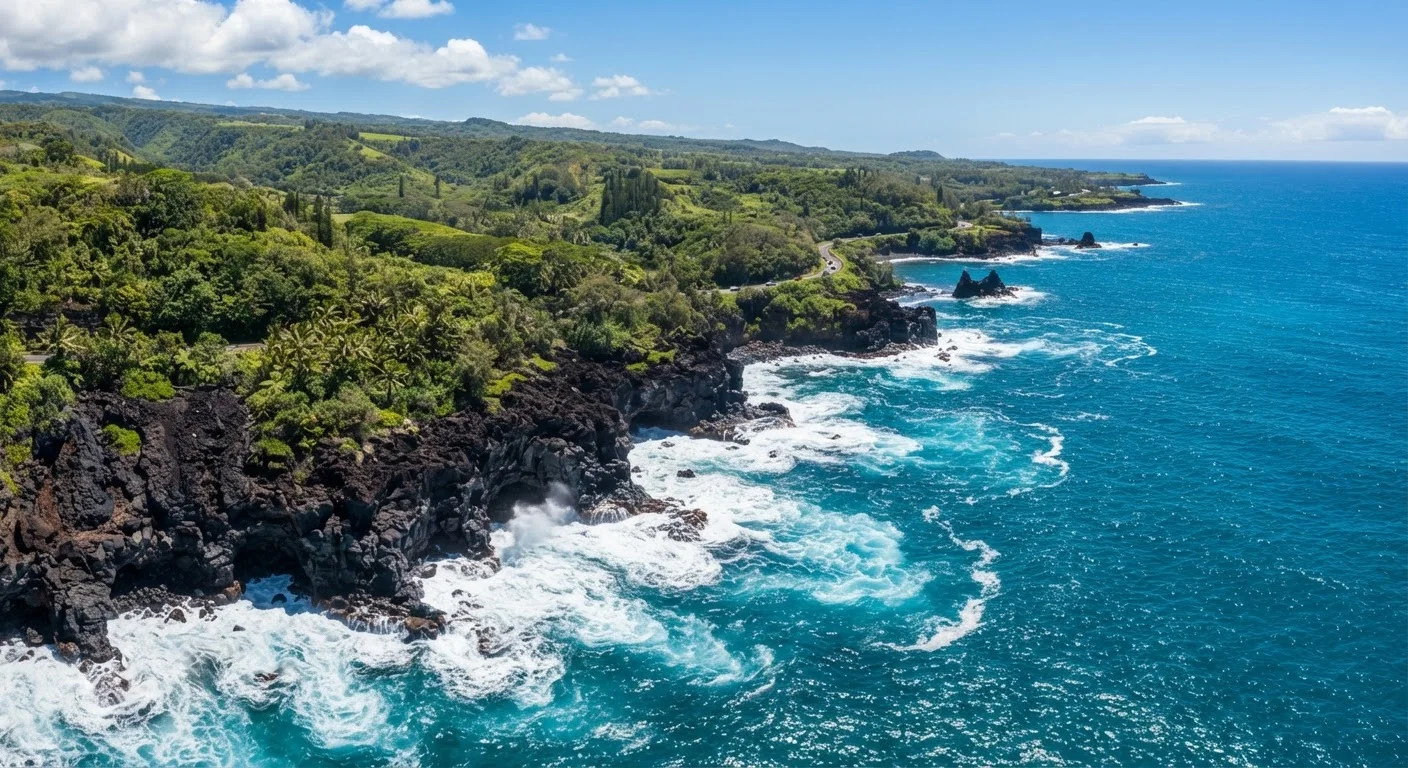
There's a reason Hawaii consistently ranks among the most-visited destinations in the United States. The islands offer something genuinely rare: a combination of dramatic volcanic landscapes, coral reefs, lush rainforests, and some of the clearest blue water on earth — all within domestic U.S. borders. No passport required, no currency exchange, and the same phone plan works throughout.
Beyond the scenery, Hawaii has a living cultural identity rooted in Native Hawaiian tradition, Pacific Islander heritage, and a multicultural community shaped by waves of immigration. Visiting isn't just about beaches — it's the opportunity to experience hula, voyaging canoe culture, local food traditions like plate lunches and poke, and an aloha spirit that, at its best, feels genuinely warm rather than performative.
Each island also has a distinct character. Oahu offers urban energy and world-famous surf. Maui balances luxury resorts with road-to-Hana adventure. The Big Island gives you active lava flows and high-altitude stargazing at Mauna Kea. Kauai is dramatic and relatively quiet. The variety within a single state is remarkable.
Extraordinary natural diversity across multiple islands
From active volcanoes and black-sand beaches to rainforests and alpine terrain, Hawaii packs an unusual range of ecosystems into a relatively compact geography. Few destinations offer this variety within a single trip.
No passport needed for U.S. citizens
Hawaii is a U.S. state, which means domestic travel logistics apply — no international entry requirements, no currency conversion, and seamless phone and banking access throughout.
Rich, living cultural traditions
Native Hawaiian culture — including hula, traditional navigation, language revitalization, and local food heritage — gives Hawaii a depth that purely beach-focused destinations often lack.
World-class outdoor and water activities
Surfing, snorkeling, hiking, whale watching, stargazing, and kayaking are all available at a genuinely high level. The variety means travelers with very different interests can all find something exceptional.
Year-round warm temperatures on most islands
Hawaii's tropical climate means mild, pleasant weather throughout the year, with most coastal areas seeing temperatures in the mid-70s to mid-80s Fahrenheit regardless of season.
The Real Costs You Should Expect
Here's where the honest conversation starts. Hawaii is expensive — not in a vague, you-should-budget-more way, but in a concrete, prices-are-structurally-higher way. Nearly everything consumed on the islands must be imported, which inflates the cost of groceries, dining, fuel, and goods across the board.
Flights from the continental U.S. typically run several hours and, depending on your departure city and travel season, can be a significant portion of your total trip budget. Accommodation is another major variable: a mid-range hotel room on Maui or Oahu can easily cost $300–$500 per night, and vacation rentals have their own pricing dynamics. For a useful comparison of lodging options, see our guide to hotels vs. short-term rentals.
Dining, car rentals, activity fees, and parking add up faster than most people anticipate. Hawaii isn't a destination where under-budgeting is easily corrected on the fly.
Travel and accommodation costs are consistently high
Flights, hotels, and car rentals are all priced at a premium compared to most mainland U.S. destinations. Dining and everyday goods are also elevated due to the islands' geographic isolation.
Popular sites are frequently crowded
Iconic locations like Diamond Head, the Road to Hana, and Hanauma Bay attract large numbers of visitors daily. Arriving without reservations or at peak hours can mean long waits or restricted access.
Rental car is essential on most islands
Outside of Oahu's urban core, public transportation is limited and tour schedules are restrictive. Renting a car adds meaningful cost and requires advance booking, especially during busy periods.
Significant time zone difference for East Coast travelers
The five- to six-hour time difference from the East Coast can cause real fatigue in the first few days, which matters when you're paying a premium for every day of your trip.
Environmental fragility demands careful visitor behavior
Hawaii's ecosystems are among the most endangered on earth, and visitor missteps — touching coral, wandering off trails, feeding wildlife — cause measurable harm. Responsible travel requires active effort, not passive goodwill.
Crowds, Conservation, and Carrying Capacity
Hawaii welcomes millions of visitors every year, and the strain on its most iconic locations is visible. Trails to popular waterfalls have been closed or restricted. Snorkel spots are regulated. Sunrise viewing at Haleakalā requires advance reservations. These aren't arbitrary inconveniences — they're responses to real ecological pressure.
Overtourism has measurable consequences for natural environments and local communities alike. Understanding what that dynamic looks like in practice is worth reading about before you go — our piece on what makes a destination overtouristed breaks it down clearly.
Visiting responsibly means following posted rules, staying on marked trails, not touching coral, and supporting locally owned businesses rather than large chains. These choices don't eliminate your impact, but they do reduce it meaningfully.
Check Entry Requirements and Site Reservations
Several of Hawaii's most popular natural sites — including Haleakalā National Park's sunrise viewing area and Hanauma Bay — require advance reservations that can sell out days or weeks ahead. Entry fees and reservation systems can change, so check the official National Park Service and Hawaii state agency websites before finalizing your itinerary. Always verify current conditions through official government sources rather than third-party booking platforms.
Logistical Complexity Worth Knowing About
Hawaii isn't a destination you can navigate well without some advance planning. Inter-island travel requires short flights or — in limited cases — ferries, and those flights add cost and time to any multi-island itinerary. On most islands, a rental car is essentially required; public transit is limited outside of Honolulu.
Timing matters too. Winter months bring humpback whales to Maui waters but also higher prices and more visitors. Summer sees peak family travel. Shoulder seasons — spring and fall — often offer better availability and slightly lower costs without sacrificing too much weather-wise, though conditions vary by island and by side of the island.
9–10 hours
Typical flight time from the East Coast
Nonstop flights from cities like New York or Boston to Honolulu average roughly nine to ten hours, making Hawaii a genuine long-haul trip even within domestic borders.
6 main islands
Distinct islands open to visitors
Hawaii has six primary islands that welcome visitors — Oahu, Maui, the Big Island, Kauai, Molokai, and Lanai — each with a distinct character and set of experiences.
Jet lag is a real factor for East Coast travelers, who face a five- or six-hour time difference. Building buffer days into your itinerary — especially at the start — helps your body adjust before you're committed to early-morning hikes or full-day activities.