What U.S. Airlines Actually Owe You
Flight disruptions are one of the most frustrating parts of modern travel — and one of the most misunderstood. Many passengers accept whatever an airline offers without realizing they may be entitled to more. Here's a clear breakdown of what U.S. rules actually require.
| Involuntary bumping compensation (domestic, 1–2 hr delay) | 200% of one-way fare, up to $775 (U.S. Department of Transportation) |
| Involuntary bumping compensation (domestic, 2+ hr delay) | 400% of one-way fare, up to $1,550 (U.S. Department of Transportation) |
| Domestic tarmac delay limit | 3 hours (DOT Tarmac Delay Rule) |
| International tarmac delay limit | 4 hours (DOT Tarmac Delay Rule) |
| Refund trigger: domestic significant delay | 3 or more hours (DOT refund rules, finalized 2024) |
| Refund trigger: international significant delay | 6 or more hours (DOT refund rules, finalized 2024) |
Involuntary bumping (denied boarding): If you're bumped from a flight against your will on a domestic route, U.S. Department of Transportation (DOT) rules require the airline to compensate you. The amount depends on how long your arrival is delayed compared to your original itinerary — ranging from 200% of your one-way fare (up to $775) for delays of one to two hours, to 400% (up to $1,550) for longer delays. These are minimums; airlines may offer more to volunteers before bumping passengers involuntarily.
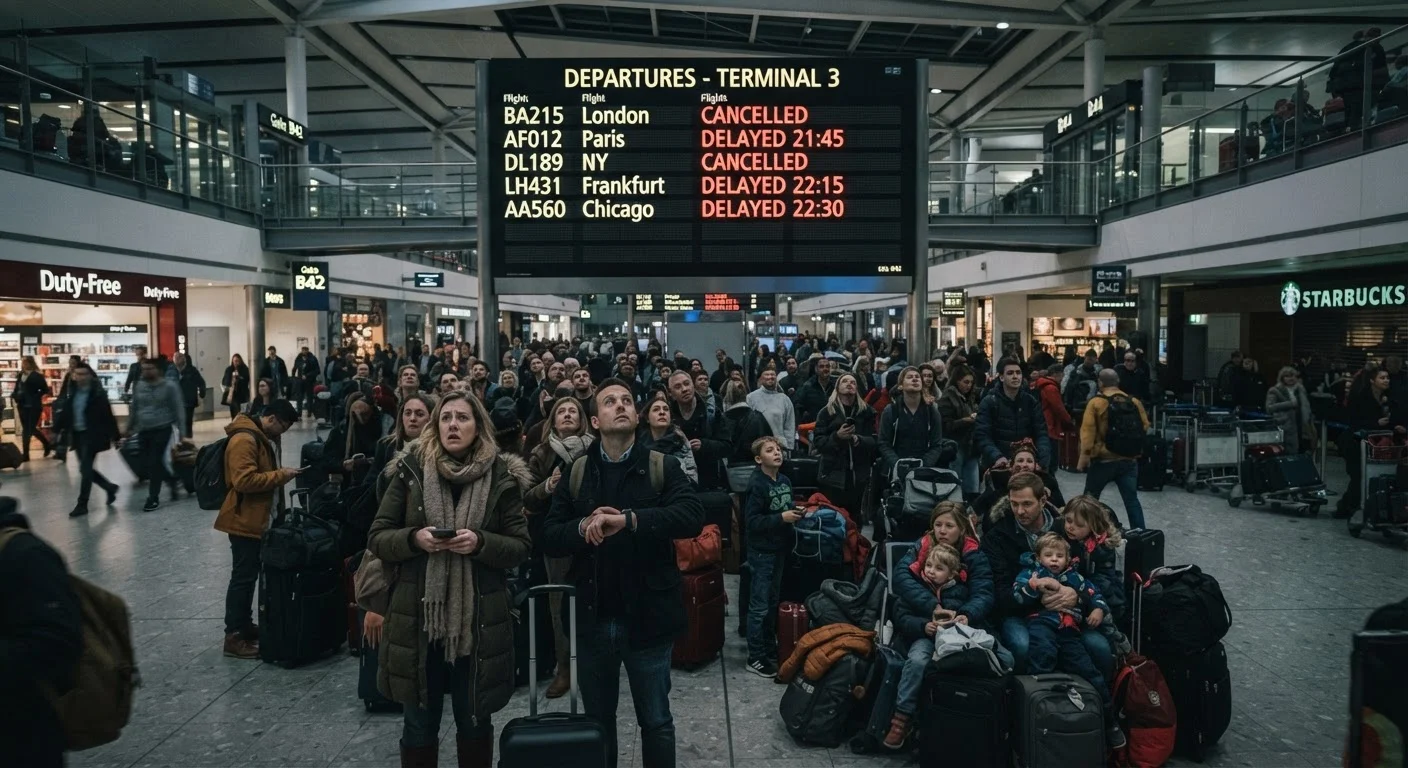
Cancellations and significant delays: As of rules finalized by the DOT in 2024, airlines are required to provide prompt cash refunds — not vouchers — when they cancel a flight or make a significant change and you choose not to travel. A "significant change" generally includes delays of three or more hours for domestic flights and six or more hours for international ones, though airlines' individual policies may vary. Always ask for cash; accepting a voucher is typically voluntary.
Tarmac delays: DOT rules cap how long airlines can keep passengers on a grounded plane without letting them deplane. The limit is three hours for domestic flights and four hours for international ones. Airlines must also provide water and snacks after two hours on the tarmac.
What Airlines Are Not Required to Provide
This is where travelers get caught off guard. U.S. law does not currently mandate that airlines provide meals, hotel accommodations, or ground transportation during delays caused by circumstances outside the airline's control — think severe weather, air traffic control issues, or security incidents. These are classified as extraordinary circumstances.
That said, most major U.S. carriers have adopted customer service commitments — often published on their websites — that promise meals, hotel stays, or rebooking assistance for controllable delays (maintenance problems, crew issues, etc.). These commitments are voluntary, not legal requirements, and enforcement can vary. The DOT maintains an Airline Customer Service Dashboard on its website where you can compare what each major airline has pledged.
International flights to or from Europe operate under different rules. EU Regulation EC 261/2004 provides stronger protections — including cash compensation for delays — for flights departing from EU airports, regardless of airline. If your trip includes a European leg, it's worth understanding how those rules interact with U.S. policy. See our guide to travel insurance for coverage options that can fill the gaps domestic law leaves open.
Involuntary Denied Boarding
When an airline removes a passenger from a flight without their consent, typically due to overbooking. U.S. rules require specific cash compensation based on how long the delay is.
Extraordinary Circumstances
Events outside an airline's control — such as severe weather, air traffic control decisions, or security threats — that can reduce or eliminate an airline's obligation to compensate passengers.
Significant Change
A schedule alteration that triggers a passenger's right to a full refund under DOT rules. Generally defined as a delay of three or more hours domestically or six or more hours internationally.
EC 261/2004
A European Union regulation that provides compensation rights — including fixed cash payments — for passengers on flights departing from EU airports, regardless of the airline's home country.
Tarmac Delay
A period during which passengers are held on an aircraft on the ground before takeoff or after landing. U.S. law limits these to three hours on domestic flights and four hours on international ones.
How to Advocate for Yourself at the Airport
Knowing your rights matters most when you're in the middle of a disruption. Here's what experienced travelers do:
- Rebook immediately. Don't wait in the airline's customer service line if you can rebook through the app or website. Seats on alternate flights fill fast.
- Ask specifically for what you're owed. Request a refund in writing if you're entitled to one. Ask the gate agent about meal vouchers or hotel accommodation if the delay is carrier-caused.
- Document everything. Screenshot delay notifications, save receipts for any out-of-pocket expenses (meals, hotels), and note the stated reason for the disruption. This documentation matters if you later file a complaint or insurance claim.
- File a DOT complaint if needed. The DOT accepts passenger complaints at airconsumer.dot.gov. Airlines are required to acknowledge and respond. This is especially useful when airlines refuse refunds they legally owe.
If you booked through a third-party site, your rebooking options may be more limited — the airline may require changes to go through the original booking platform. This is one practical reason to weigh booking direct versus through a third party before your next trip.
Planning longer trips? Our international travel planning walkthrough covers how to account for disruptions as part of your broader itinerary strategy. And if you're evaluating what a fare really costs after fees and contingencies, the hidden costs of cheap flights is a useful companion read.