The Gate-Check Moment Nobody Wants
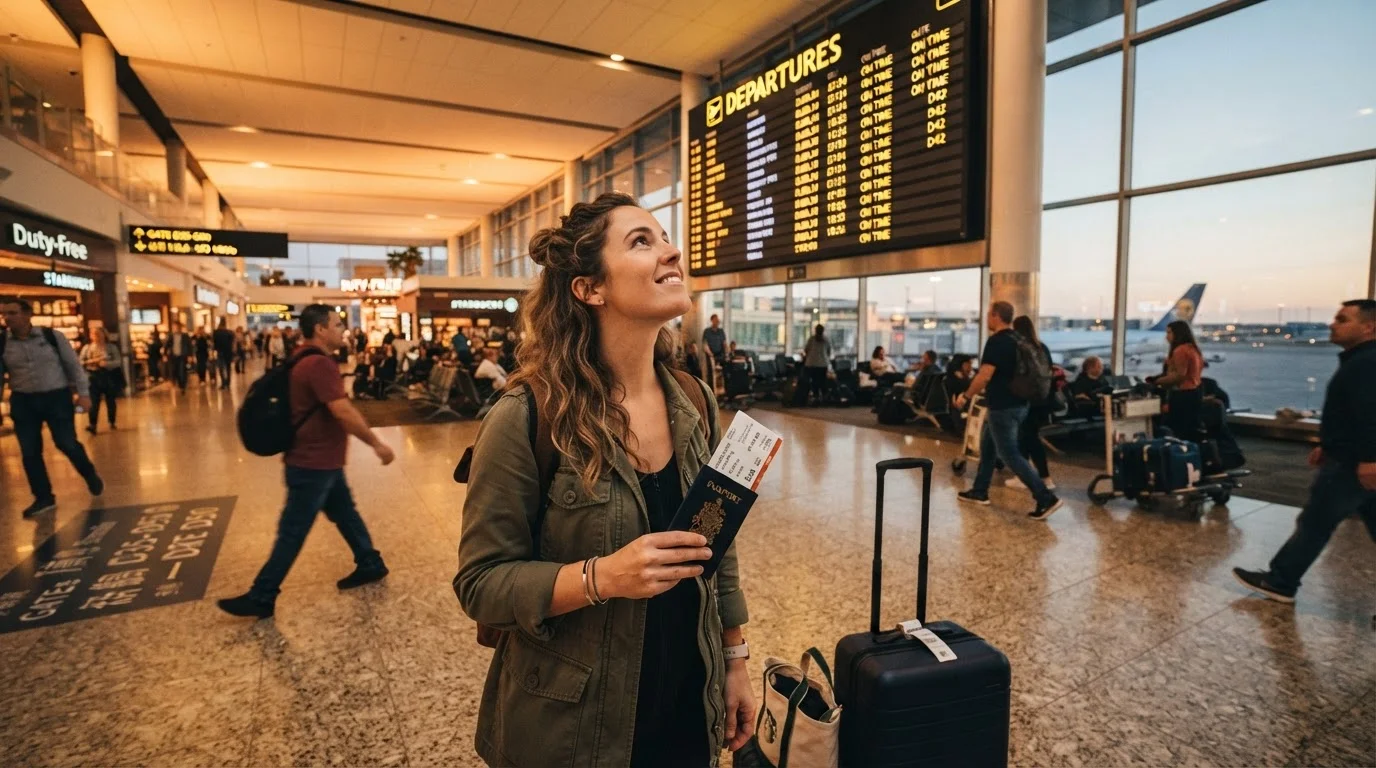
You've made it through security, found your gate, and settled in for boarding — only to hear your name called and be told your carry-on has to go below. It's one of travel's most frustrating moments, and it's almost always avoidable once you understand why it happens.
Gate-checking occurs when airlines determine there isn't enough space in the cabin for your bag — or when your bag, ticket type, or boarding timing disqualifies it from overhead bin access. The triggers are predictable, and so are the fixes. Here's what's really going on, and what you can do before your next flight.
The Most Common Mistakes That Lead to Gate-Checking
Most gate-checked bags don't end up in the cargo hold because of bad luck. They get there because of decisions made days, hours, or minutes before boarding — many of which are completely within your control.
Boarding in the last group and expecting overhead space to still be available.
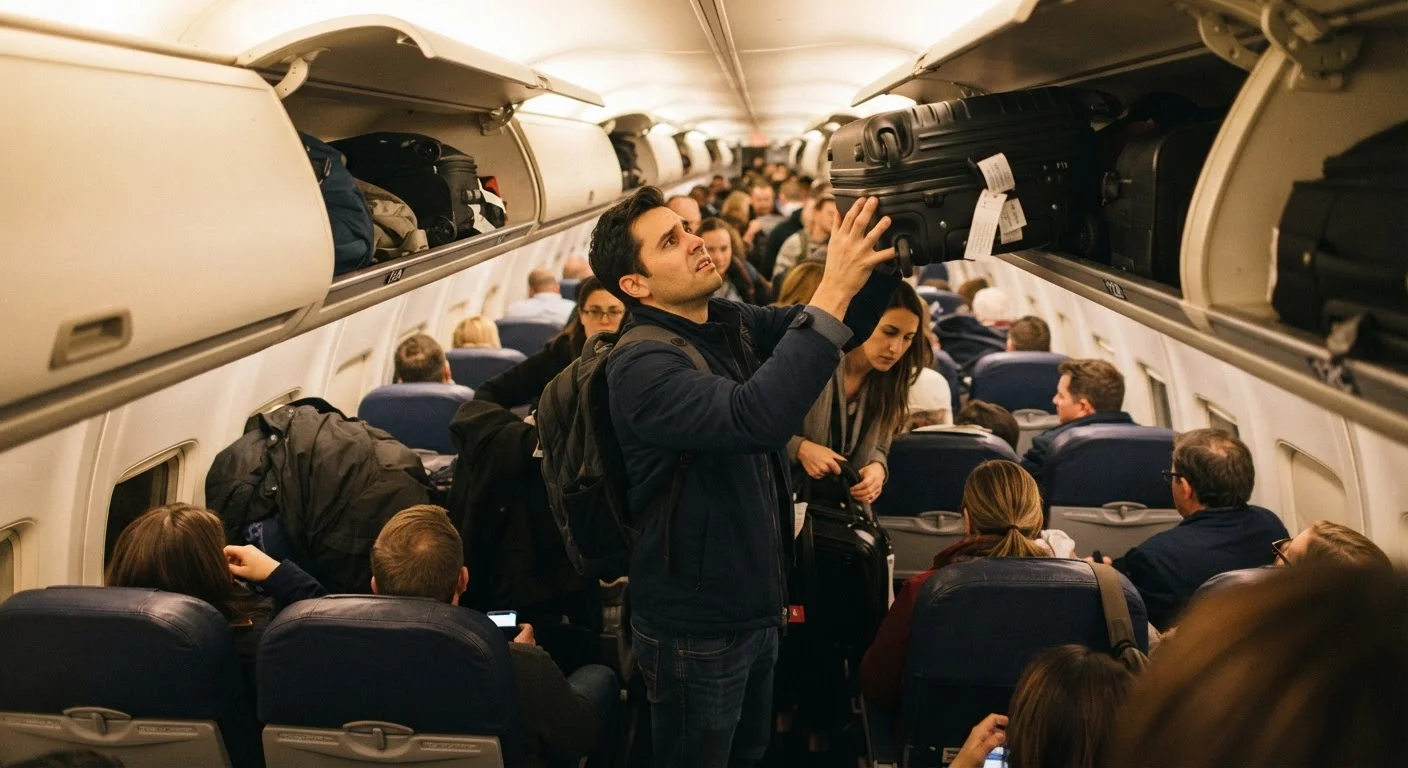
Why it happens: Many travelers don't realize that overhead bins fill up fast — often before the final boarding zones even walk down the jetway.
Traveling with a carry-on that's technically oversized for the specific aircraft on that route.
Why it happens: Airlines publish maximum carry-on dimensions, but passengers often buy bags based on those specs without accounting for smaller regional jets, which have narrower overhead bins.
Buying a basic economy or lowest-tier fare that excludes overhead bin access.
Why it happens: Budget fares often strip out perks including carry-on privileges, but this restriction is buried in the fine print and many travelers miss it entirely.
Packing a personal item so bulky it gets reclassified as a carry-on at the gate.
Why it happens: Travelers often stuff backpacks or tote bags until they're rigid and oversized, hoping gate agents won't notice — but agents are trained to spot this.
Ignoring the sizer box at the gate when you know your bag is borderline.
Why it happens: Passengers with bags that barely exceed size limits often walk past the measurement sizer hoping not to be noticed, which can backfire badly.
A little planning before you even pack can eliminate most of these scenarios. The pre-departure checklist is a good place to build carry-on strategy into your overall trip prep.
What Gate Agents Are Actually Looking For
Gate agents aren't trying to inconvenience you — they're managing a full aircraft with limited overhead real estate and a tight departure window. Understanding their perspective helps you avoid becoming a problem they need to solve.
When a flight is full, agents often begin proactively asking passengers in later boarding groups to voluntarily check bags. If overhead bins fill before all passengers have boarded, agents will pull bags from anyone still in the jetway. Bags that look oversized, overstuffed, or awkwardly shaped get flagged first.
Gate-Checking Isn't Always Free
Many travelers assume gate-checking is a complimentary service, but policies vary by airline and fare class. Some carriers charge a standard checked-bag fee even when a bag is gate-checked involuntarily. Always check your airline's specific policy before assuming the process costs nothing — and factor it into your budget when comparing fares.
On smaller regional aircraft, the math is especially unforgiving. Bins may only accommodate bags up to a certain depth regardless of the airline's published maximums. If your itinerary includes a connection on a regional jet — common on routes to smaller cities — factor that in. Long-haul travelers connecting through hub airports often encounter this on the final leg.
The clearest signal you can send a gate agent is a compact, properly-sized, soft-sided bag carried by a passenger who boards early. That combination almost never results in a gate check.
Building a Strategy That Keeps Your Bag in the Cabin
The travelers who almost never get gate-checked share a few consistent habits: they check in early, they know their aircraft, they read their fare terms, and they pack bags that are genuinely, visibly compliant — not just technically within the limit on a good day.
If you fly the same routes regularly, it's worth noting which legs tend to run on regional jets and adjusting your packing accordingly. For mixed itineraries that involve both a mainline and regional flight, pack as if the regional plane's restrictions apply to the whole trip. That mindset alone prevents a lot of gate-side stress.
For anyone rethinking their bag strategy entirely, understanding how your carry-on and personal item can work together — rather than competing — is the foundation. It's easier to stay compliant when you've planned both bags as a system. Consider how overlooked logistics derail travel plans — bag strategy is one of the most commonly skipped steps.