Why a Systematic Check Matters Before You Drive Away
Buying a used vehicle involves a handover of both financial risk and legal responsibility. The moment you sign and take the keys, most of that risk transfers to you — and in many private-party sales, there is no recourse once you leave. A structured walkthrough of documentation, mechanical condition, and contract details is the most reliable way to catch problems while you still have leverage.
This checklist is designed to be used on-site, during your visit to a dealership or private seller. Work through it in order: paperwork first, then the physical car, then the test drive, and finally the contract. If anything on the list raises a concern you cannot resolve on the spot, that is a reasonable basis to pause the purchase and investigate further.
Flashlight or phone torch
Illuminates dark areas under the hood, wheel wells, and interior floor for a more thorough inspection.
Vehicle history report service
Provides accident history, title status, odometer readings, and prior ownership records.
Tire tread depth gauge
Gives a precise reading of remaining tire tread to determine whether replacement is imminent.
OBD-II scanner
Reads stored trouble codes from the car's computer, revealing issues the seller may not disclose.
Notepad or checklist app
Lets you record findings systematically so nothing is overlooked during the inspection.
Documents and History: Start Here, Not at the Car
It is tempting to head straight for the vehicle, but the paperwork tells you whether the car is worth inspecting at all. A mismatched VIN, a branded title, or an odometer rollback flagged in a history report changes the entire calculus of the deal. Resolve any title or history concerns before investing time in a mechanical inspection.
When reviewing a vehicle history report, pay close attention to the number of prior owners, any reported accidents, and whether the odometer readings across service records align logically over time. Gaps in service history are not automatically disqualifying, but they warrant questions. Ask the seller directly — their explanation, and how they give it, can be informative.
Never Skip the Independent Mechanic
A dealer or private seller's assurances about a vehicle's condition are not a substitute for professional evaluation. An independent pre-purchase inspection — performed by a mechanic with no stake in the sale — can uncover costly mechanical problems before you're legally committed. Learn what a pre-purchase inspection covers so you know what to expect. Skipping this step is one of the most common and expensive mistakes used-car buyers make.
Pressure to Decide Immediately Is a Red Flag
If a seller insists you must sign today or lose the deal, treat that urgency with skepticism. Legitimate sellers generally allow reasonable time for a buyer to review documents and arrange an inspection. Rushing through paperwork under pressure is a leading cause of overlooked fees, undisclosed problems, and buyer's remorse.
Physical Condition: What to Look for Before the Test Drive
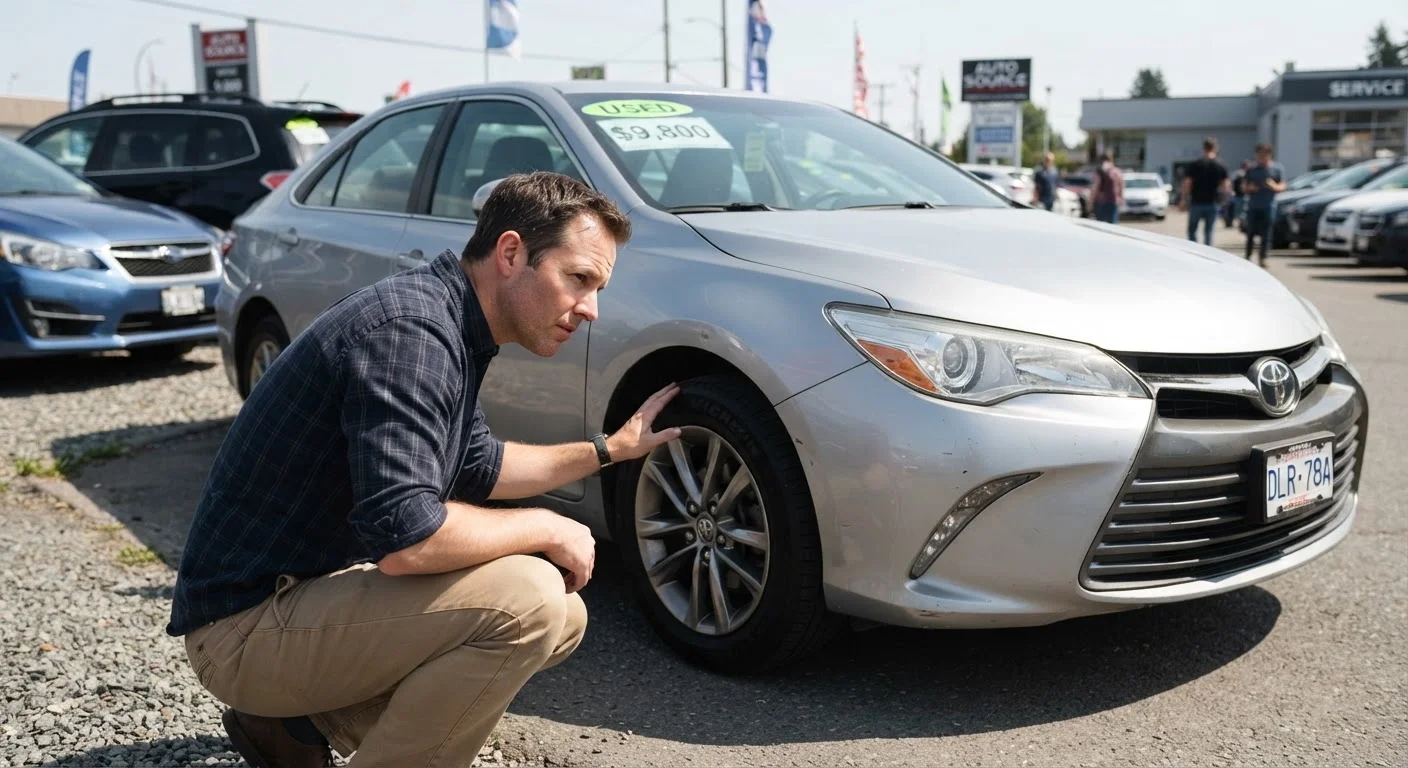
Inspect the exterior in natural daylight whenever possible — artificial lot lighting can conceal paint mismatches and minor damage. Run your hand along door panels to feel for filler beneath the surface, which can suggest prior body repair not captured in a history report. Open and close every door, the hood, and the trunk to verify alignment and even resistance.
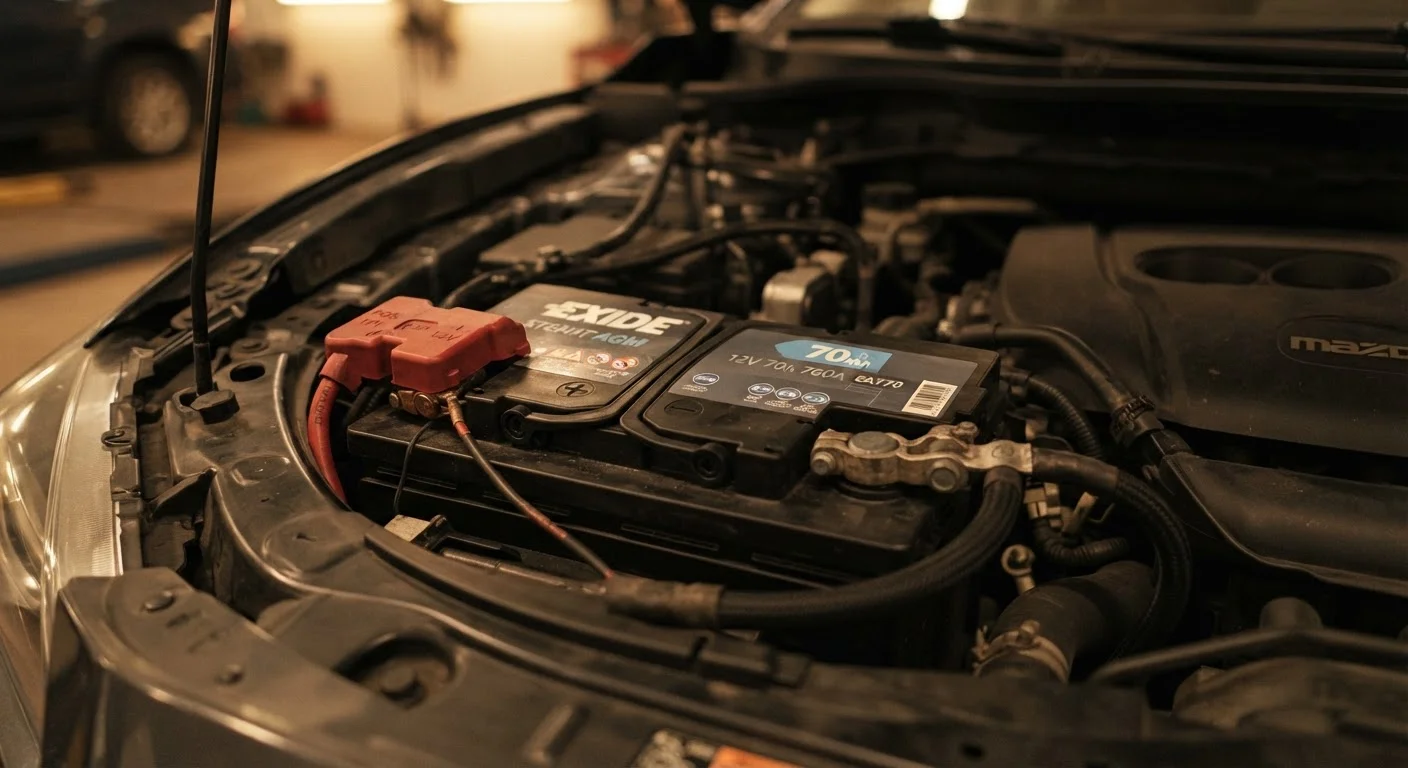
Under the hood, you do not need to be a mechanic to spot obvious problems. Milky engine oil, corroded terminals, cracked rubber hoses, and visible fluid pooling beneath the car are all observable without specialized training. These findings should prompt direct questions and, in many cases, a recommendation to schedule a professional pre-purchase inspection before committing. The pre-purchase inspection process is well worth understanding before your visit.
Documentation
Exterior Inspection
Under the Hood
Interior and Electronics
Test Drive
Paperwork and Final Deal
Finalizing the Deal: Reading the Contract With Care
The finance office is where many buyers, fatigued from hours of negotiation, inadvertently agree to costs they never intended. Take the time to read the full purchase agreement before signing. Every line item — dealer fees, documentation charges, and any added products like extended warranties or paint protection — should be something you explicitly authorized. If a charge appears that was not discussed, ask for it to be removed or explained in writing.
Confirm that any verbal promises — a full tank of gas, a replaced tire, a repaired feature — appear in the written contract. Verbal agreements made on the lot are not enforceable once you have signed. Once the paperwork reflects exactly what was agreed, and your inspection and test drive have satisfied your concerns, you are in a much stronger position to drive away with confidence. For ongoing ownership, the car maintenance hub is a useful next resource.
This article is for general informational purposes only and does not constitute legal, financial, or professional mechanical advice. Consult a qualified mechanic, licensed dealer, or relevant professional for guidance specific to your situation.