Why an Independent Inspection Is Worth Arranging
Used vehicle listings are written to sell. Photos are taken in flattering light, descriptions emphasize the positives, and even honest sellers may not know about every mechanical issue hiding under the hood. A pre-purchase inspection (PPI) fills that information gap by putting the vehicle in front of a qualified mechanic who has no stake in whether you buy it.
The inspection typically costs between $100 and $200 — a modest sum relative to the purchase price of most used vehicles. What it can reveal, however, may save you from inheriting thousands of dollars in repairs, or simply give you the confidence to move forward with the deal. Think of it as due diligence, the same principle behind a home inspection before a real estate purchase.
~$100–$200
Typical cost of a pre-purchase inspection
Independent repair shops generally charge in this range for a comprehensive PPI, though prices vary by region and vehicle type.
1 in 3
Used cars with undisclosed prior damage
Industry estimates suggest a substantial share of used vehicles on the market have accident or damage history not reflected in seller disclosures or online listings.
What a Thorough PPI Examines
A comprehensive pre-purchase inspection covers the vehicle's major mechanical and structural systems. While the exact scope can vary by shop and vehicle type, buyers should expect the following areas to be evaluated:
- Engine and drivetrain: Oil condition and level, coolant, belts, hoses, visible leaks, and general engine health. The mechanic may also check for signs of overheating history or prior repairs.
- Transmission: Fluid condition, shift quality during a road test, and any signs of slipping or unusual behavior.
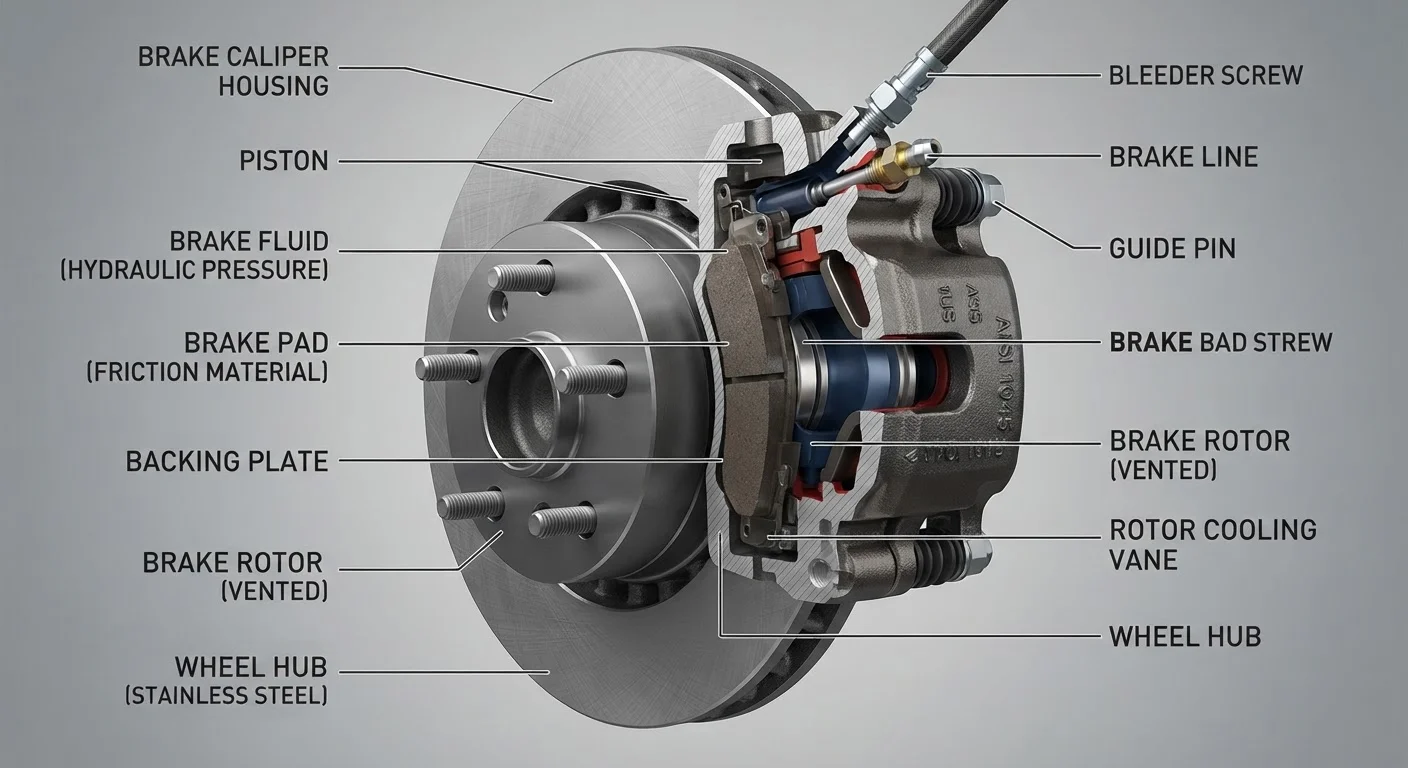
- Brakes: Pad and rotor thickness, brake fluid condition, and caliper function.
- Suspension and steering: Worn ball joints, tie rod ends, shock absorbers, and CV joints that might affect handling or safety.
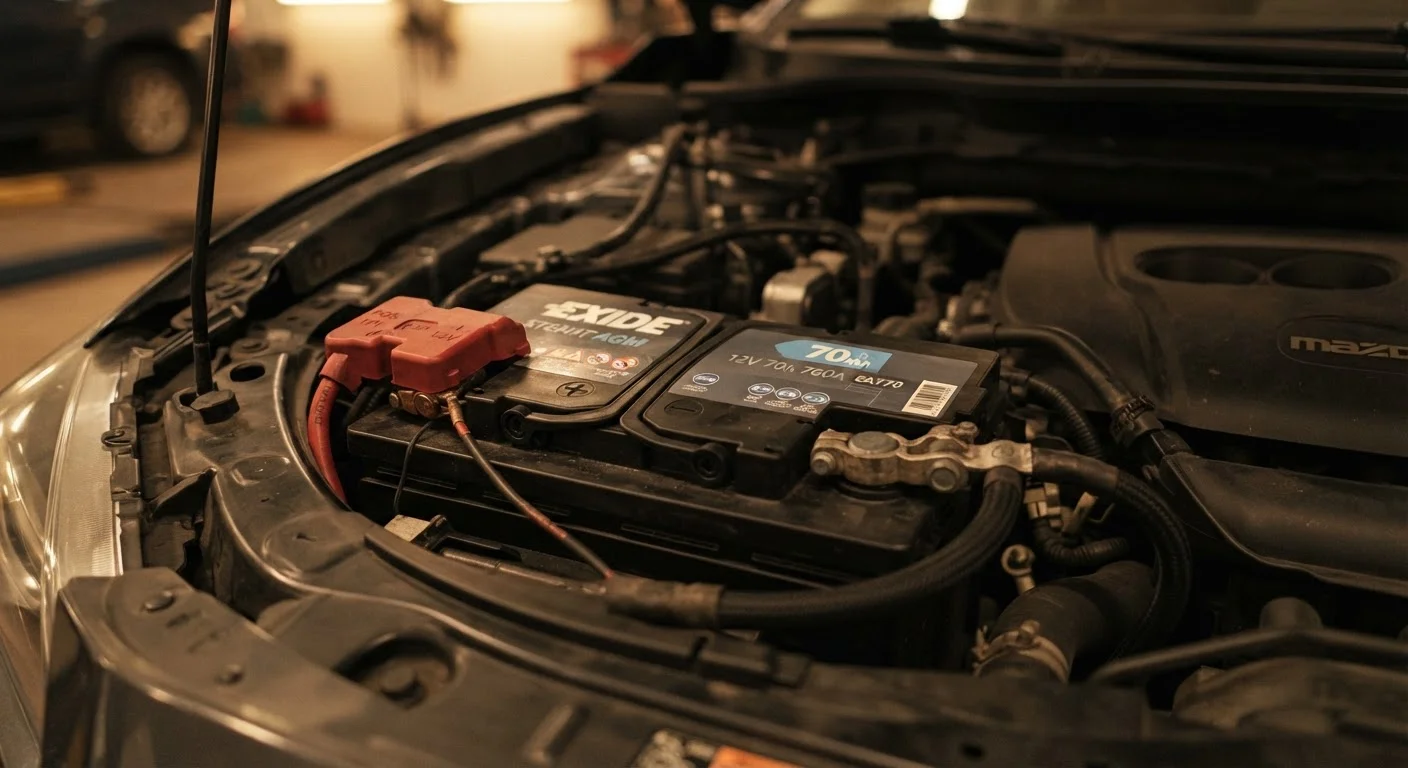
- Electrical systems: Battery health, lights, power accessories, and any warning codes stored in the vehicle's onboard diagnostic system (OBD-II).
- Body and frame: Evidence of prior accident damage, rust, misaligned panels, or improperly repaired sections that might not appear in a vehicle history report.
- Tires: Tread depth, uneven wear patterns (which can signal alignment or suspension problems), and sidewall condition.
- Fluid systems: Power steering, brake, and transmission fluids checked for level and condition.
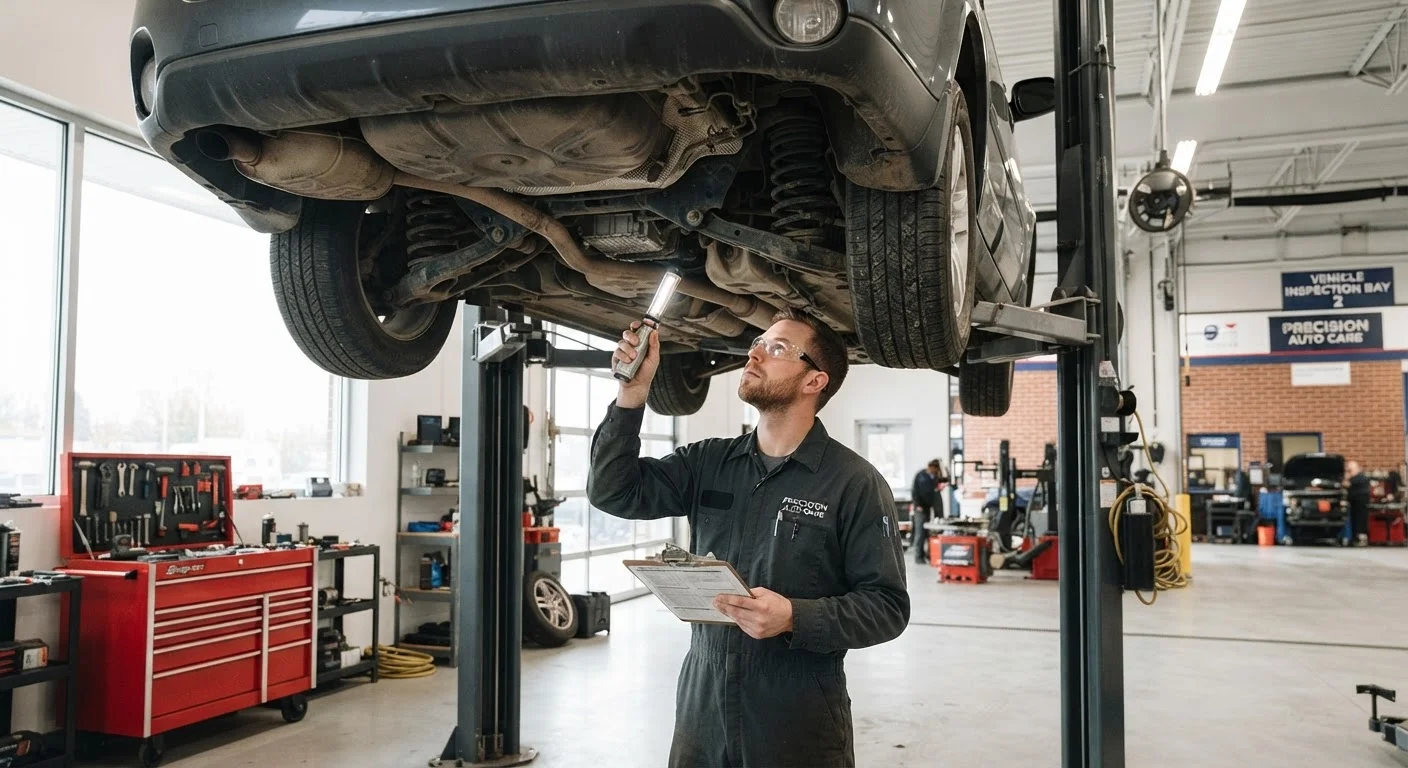
Most mechanics will also perform a short road test to listen for noises, assess ride quality, and verify that the transmission shifts smoothly under normal driving conditions. The vehicle is typically placed on a lift so the undercarriage can be examined directly — something no walk-around inspection can replicate.
How to Arrange an Inspection — and What to Look For in the Report
Start by identifying an independent repair shop or mobile mechanic in the area where the vehicle is located. If you have a trusted mechanic, ask whether they offer PPIs or can refer you to someone who does. Many shops perform this service routinely.
Coordinate with the seller to have the vehicle available at the chosen shop for one to two hours. Private sellers usually accommodate this more easily than large dealerships. If a seller declines entirely, treat that as important information about the deal — a legitimate seller with a sound vehicle generally has little reason to object.
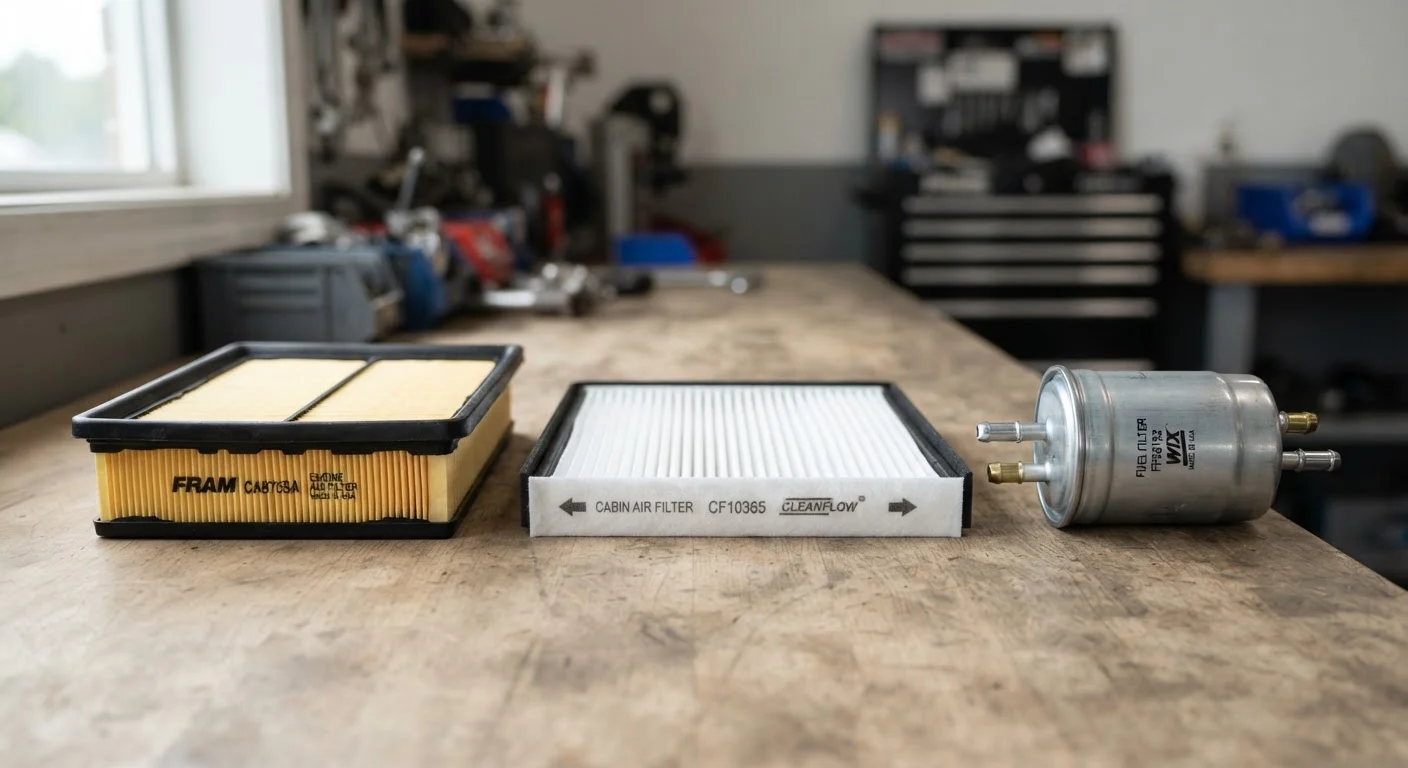
When the mechanic delivers the report, don't just scan for a pass or fail. Ask them to walk you through each finding and explain its severity. Some items — like worn wiper blades or a cabin air filter — are minor and inexpensive to address. Others, such as a failing transmission, frame damage, or signs of oil burning, represent far more significant concerns that affect both safety and long-term cost of ownership.
Use the report as a negotiating tool. Documented repair needs can support a request for a price reduction or a seller-funded fix before closing the deal. If the findings are serious enough, the report gives you a clear, objective basis for walking away — without second-guessing yourself later. After the inspection, the steps to verify before driving a used car off the lot remain important, even if the PPI comes back clean.
Bring Your Questions to the Mechanic Directly
Don't simply wait for the written report. Being present during the inspection — or at least available by phone — lets you ask the mechanic follow-up questions in real time. You'll get clearer, more nuanced explanations of what each finding means and how urgently it needs to be addressed.
For broader context on approaching major purchases with the right questions, see our guide to questions worth asking before any big-ticket buy.
This article provides general informational guidance about the pre-purchase inspection process and is not a substitute for advice from a licensed mechanic familiar with your specific vehicle and situation.