What Makes Debt Secured or Unsecured
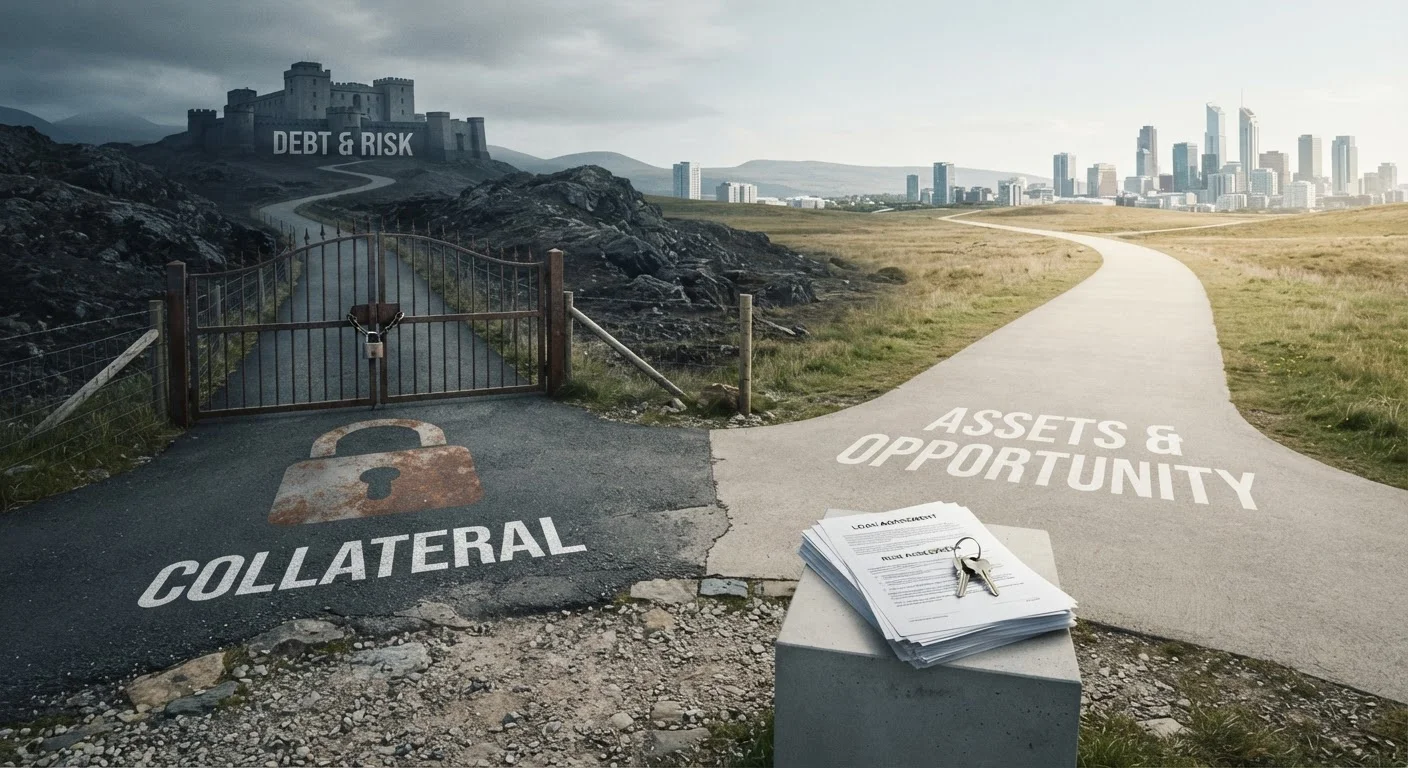
The fundamental distinction between secured and unsecured debt is the presence — or absence — of collateral. Collateral is a specific asset that a borrower pledges to a lender as a condition of the loan. If the borrower fails to repay, the lender has a legal right to take possession of that asset to recover its losses.
With secured debt, the lender holds a legal claim, called a lien, against the pledged asset for the life of the loan. Common examples include mortgages (secured by real estate) and auto loans (secured by the vehicle). The collateral reduces the lender's risk, which is why secured loans often carry lower interest rates and are available in larger amounts.
Unsecured debt involves no such pledge. The lender extends credit based primarily on the borrower's creditworthiness — credit score, income, and debt-to-income ratio. Credit cards, personal loans, student loans, and medical debt are typical examples. Because the lender has no asset to fall back on, unsecured debt generally comes with higher interest rates to compensate for that added risk.
For a broader look at how your credit profile shapes access to both debt types, see our comprehensive guide to credit scores and debt.
How Each Type Affects Your Financial Risk
The type of debt you carry shapes the nature — and severity — of the consequences if repayment becomes difficult.
| Criterion | Secured Debt | Unsecured Debt |
|---|---|---|
| Collateral Required | Yes — specific asset pledged | No — creditworthiness only |
| Common Examples | Mortgage, auto loan, HELOC | Credit card, personal loan, student loan |
| Typical Interest Rate | Generally lower | Generally higher |
| Lender's Recourse on Default | Seize collateral (foreclosure, repossession) | Collections, lawsuit, wage garnishment |
| Loan Amounts Available | Often larger | Often smaller or moderate |
| Speed of Consequences | Can be swift (repossession) | Slower, but can escalate significantly |
| Credit Score Impact on Default | Severe, plus public records | Severe damage, collections noted |
With secured debt, the stakes are concrete and immediate. If you stop making mortgage payments, your lender can initiate foreclosure. If you default on an auto loan, repossession can happen relatively quickly, sometimes without a court order depending on the state. Losing a home or vehicle has cascading effects on housing stability and employment.
Unsecured debt defaults are serious but follow a different path. Lenders cannot immediately seize property. Instead, missed payments typically trigger late fees, escalating interest, damage to your credit score, and eventually referral to a debt collection agency or a lawsuit. If a court judgment is obtained, wage garnishment or bank account levies can result — so the consequences, while slower to materialize, can still be severe.
Understanding exactly what follows a missed payment — on either type — is worth reviewing in detail. Our article on what really happens when you miss a debt payment walks through each stage factually.
Bankruptcy Treats These Debts Differently
In a bankruptcy proceeding, secured and unsecured debts are handled under different rules. Secured creditors generally have priority claims tied to their collateral. Unsecured debts may be dischargeable under certain bankruptcy chapters, but the specific outcomes depend on the type of bankruptcy filed and individual circumstances. Always consult a licensed bankruptcy attorney before pursuing this option.
Recognizing which of your debts are secured can help you prioritize if money becomes tight. Allowing a secured debt to fall behind generally carries more immediate, tangible risk than falling behind on an unsecured account — though both demand attention.
Making Informed Decisions About Your Debt Mix
Most Americans carry a mix of both secured and unsecured debt simultaneously. That is not inherently problematic — but it does mean your total financial exposure includes both types of risk.
$17.5T
Total U.S. household debt
According to the Federal Reserve Bank of New York's Household Debt and Credit Report, total U.S. household debt reached approximately $17.5 trillion in 2024, with mortgage debt representing the largest share.
71%
Share of household debt that is secured
Mortgage and home equity debt alone account for the substantial majority of American household debt balances, reflecting how central secured borrowing is to consumer finance.
~20%
Average APR on credit card accounts
The Federal Reserve has reported that average credit card interest rates have climbed significantly in recent years, illustrating the higher cost typical of unsecured debt.
Before taking on any new debt, it is worth asking: What is the collateral, if any? What happens specifically if I cannot pay? How does this debt interact with existing obligations? These questions don't require a finance degree — they require clear information and honest self-assessment.
If you are carrying significant unsecured debt and exploring ways to simplify, our article on debt consolidation trade-offs explains how consolidation can shift the structure of your debt — and what to watch for. Consolidating unsecured debt into a secured loan, for example, may lower your rate but introduces collateral risk you did not have before.
For ongoing habits that keep both types of debt manageable, see our guide to responsible debt management habits. And if you are uncertain whether your current borrowing patterns are sustainable, signs you may be relying on debt in unsustainable ways offers a grounded self-check.
This article is for general informational and educational purposes only and does not constitute personalised financial or legal advice. Consult a licensed financial adviser or attorney for guidance specific to your situation.