Why Water Is a Nutritional Factor, Not Just a Beverage
Most people think of nutrition as what they eat and hydration as how much they drink — two separate concerns. In reality, they operate as a unified system. Water is the medium in which virtually all nutritional chemistry happens inside your body.
When you eat, your digestive system relies on water to produce saliva and stomach acid, break food into absorbable particles, and move nutrients through the intestinal lining into the bloodstream. Fat-soluble vitamins (A, D, E, and K) depend on bile — a fluid — for absorption. Water-soluble vitamins like B12, folate, and vitamin C require fluid to travel to the cells that need them. Even dietary fiber, celebrated for its digestive benefits, requires adequate hydration to do its job properly. Without enough water, fiber can slow rather than support digestion.
This interdependence matters because even a modest shortfall in fluid intake — one you might not even notice as thirst — can blunt the return you get from an otherwise solid diet. You can be eating well and still underperform nutritionally if you are consistently under-hydrated.
Electrolytes: Where Hydration and Mineral Nutrition Overlap Directly
Electrolytes are minerals that carry an electric charge in body fluids — sodium, potassium, calcium, and magnesium are the most familiar. They govern fluid balance between cells, support muscle contractions, maintain nerve signaling, and regulate blood pressure. They come from food. But they only function correctly when fluid levels are adequate.
Think of electrolytes as keys that only work in the right lock. If fluid balance is off, the ratio of these minerals to water shifts, and their ability to do their jobs degrades. This is one reason why athletes who sweat heavily can experience muscle cramps even when they are eating nutritious diets — the issue isn't necessarily food intake, it's fluid and electrolyte balance together.
~20%
Daily fluid intake from food
According to the U.S. National Academies of Sciences, roughly 20% of an average adult's daily water intake comes from food rather than beverages.
1–2%
Body water loss before function declines
Research in the Journal of Nutrition has found that a body water deficit of just 1–2% of body weight can impair cognitive performance and physical function.
90%+
Water content of cucumbers and lettuce
Many common vegetables exceed 90% water by weight, according to USDA food composition data, making them meaningful contributors to both nutrition and hydration.
For everyday Americans, the connection is subtler but still real. If you are consistently low on potassium — a nutrient the majority of U.S. adults fall short on — inadequate hydration compounds the functional deficit. The mineral is present but less effective in a dehydrated environment.
High-Water Foods: Nutrition and Hydration in One Package
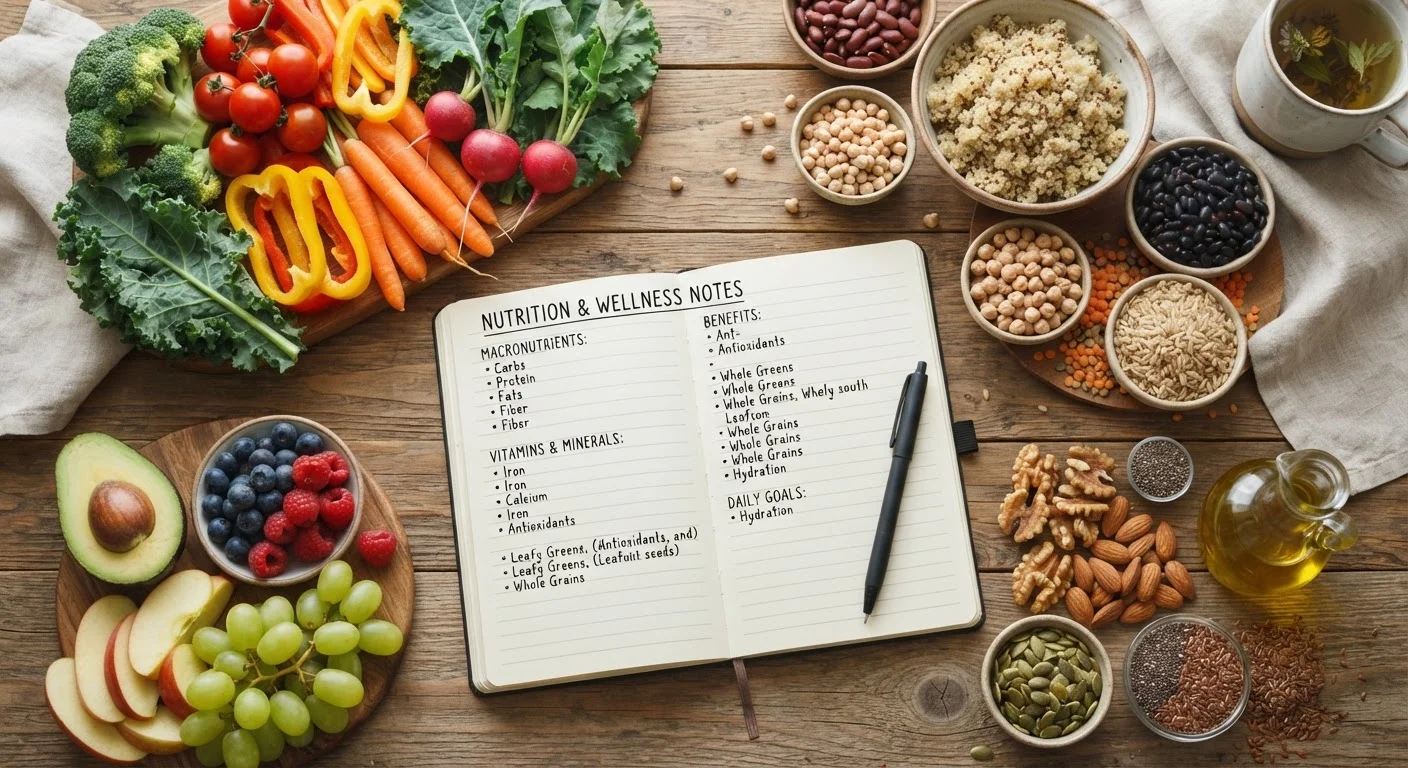
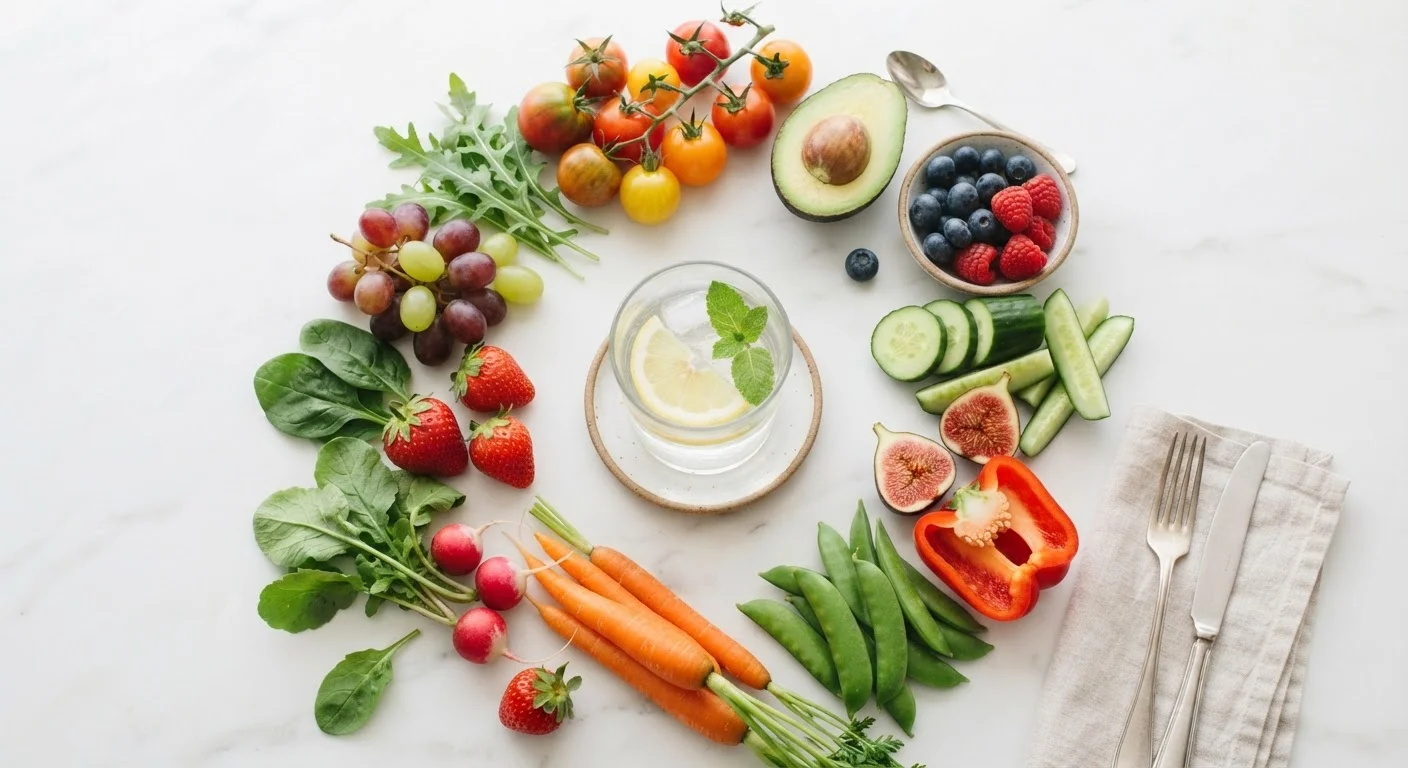
One underappreciated aspect of this connection is that food itself contributes to hydration. Fruits and vegetables — cucumber, celery, strawberries, oranges, watermelon, leafy greens — are composed largely of water and deliver it alongside vitamins, minerals, and fiber. Health authorities estimate that roughly 20% of daily fluid intake for most people comes from food rather than beverages.
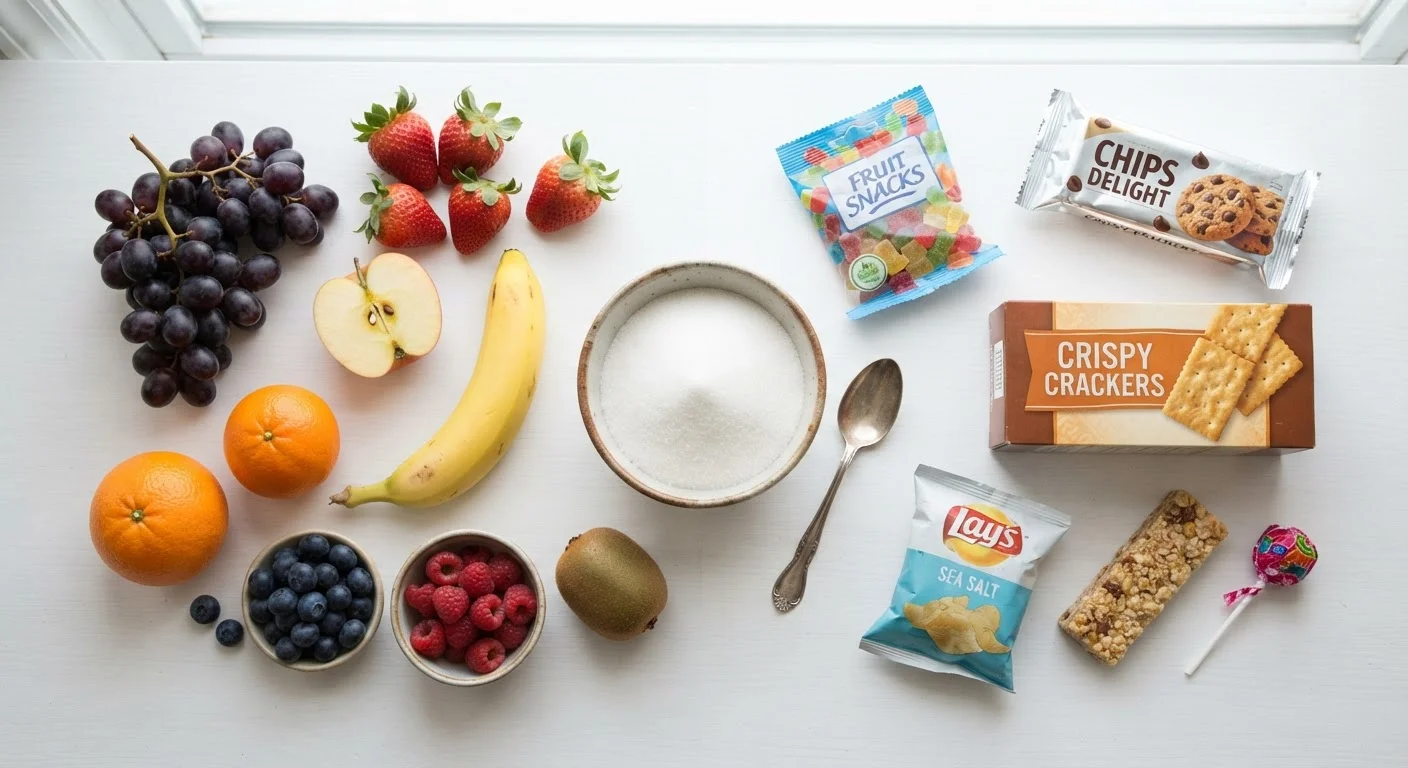
This has a practical implication: dietary patterns that emphasize whole plant foods, such as Mediterranean-style eating, are quietly improving hydration status at the same time as they deliver micronutrients. Conversely, diets heavy in ultra-processed foods tend to be lower in water content, which may contribute to subtle, chronic under-hydration.
It also means that chasing hydration only through beverages misses part of the picture. Eating a diet rich in whole fruits and vegetables is a dual investment — in nutrition and in fluid intake simultaneously.
Practical Implications for Everyday Dietary Choices
Understanding the hydration-nutrition connection doesn't require complicated changes. A few grounded principles are worth keeping in mind:
- Water intake should be considered part of your nutritional planning, not an afterthought. If you focus heavily on food quality but neglect fluid intake, you may be leaving nutritional value on the table.
- Thirst is an imperfect signal. By the time most adults feel thirsty, some degree of dehydration has already occurred. Urine color — pale yellow typically indicates adequate hydration — is a more reliable everyday indicator.
- Context matters. Heat, physical activity, illness, and certain medications all affect how much fluid you need. General guidance is a starting point, not a prescription.
- Whole foods contribute to hydration. This is one more reason why affordable staples like beans, lentils, and fresh produce offer layered value.
There's also a cautionary note worth raising: some popular beliefs about hydration and detoxification overstate the body's mechanisms. Your kidneys and liver handle waste removal — water supports that process, but drinking extraordinary amounts of water does not amplify detoxification beyond normal physiology. Skepticism toward dramatic claims is warranted, as explored in coverage of persistent nutrition myths.
This article is for general informational and educational purposes only and does not constitute medical or nutritional advice. Individual hydration and dietary needs vary. Please consult a qualified healthcare professional for guidance specific to your health situation.