Why Retail Vocabulary Matters to Everyday Shoppers
Retail trend language fills business headlines, social media commentary, and marketing copy — but it rarely comes with a definition. Terms like omnichannel or showrooming describe real shifts in how stores operate and how shoppers behave. When consumers understand what these terms actually mean, they're better positioned to recognize the tactics designed to influence their decisions and to separate genuine shifts from industry hype.
This glossary focuses on the terms you're most likely to encounter when reading about shopping trends — and what each one means for you as a consumer. For a deeper look at how stores use their physical environment to guide behavior, see how retail environments are designed to influence what you buy.
Omnichannel
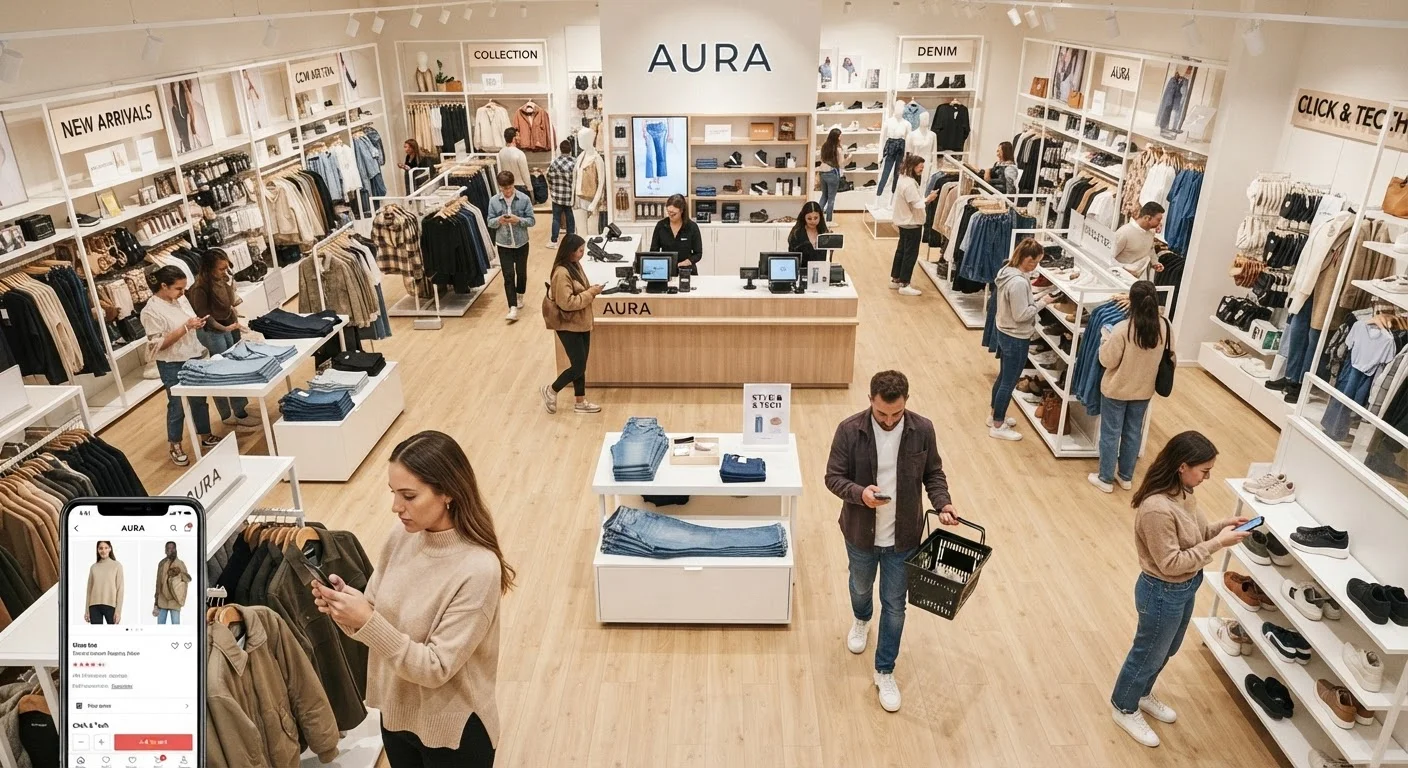
A retail approach where physical stores, websites, apps, and customer service operate as one integrated system. Shoppers can move between channels — buying online, picking up in store — without a disjointed experience.
Showrooming
The practice of evaluating a product in a physical store and then purchasing it online, often for a lower price. It's a direct result of price transparency enabled by smartphones.
Webrooming
Researching a product extensively online before completing the purchase in a physical store. Shoppers who webroom typically arrive with a firm decision and are less influenced by in-store promotion.
Direct-to-Consumer (DTC)
A model in which a brand sells directly to shoppers without going through traditional retail intermediaries. DTC brands control their pricing, presentation, and customer relationship more directly.
Dark Store
A retail location that is closed to public shoppers and operates solely as a fulfillment center for online orders. These facilities are designed for speed and logistics rather than the consumer shopping experience.
Friction (retail)
Any obstacle — intentional or accidental — that slows or complicates a purchase. Online retailers minimize friction to ease spending; physical stores sometimes use it strategically to extend browsing time.
Conscious Consumerism
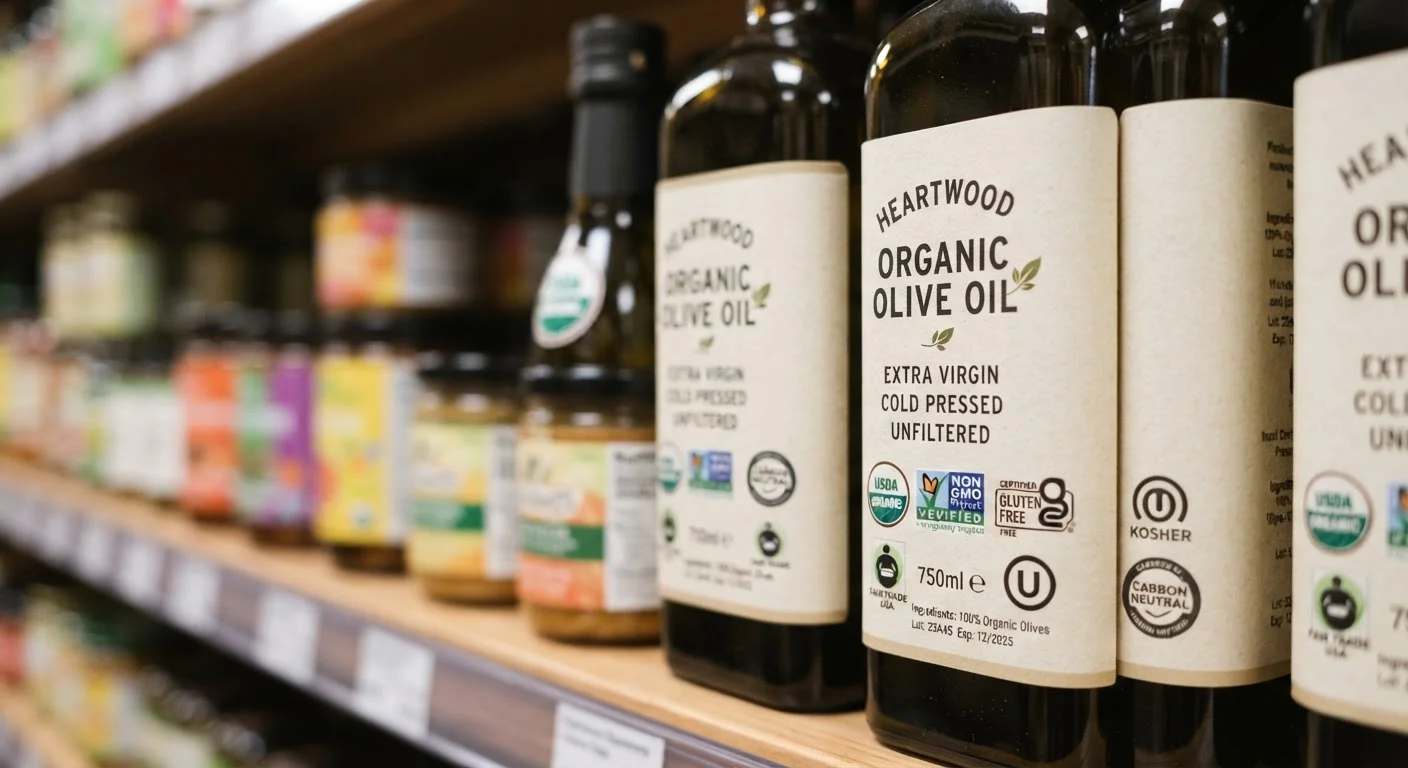
Shopping behavior motivated by ethical, environmental, or social values — such as prioritizing sustainably sourced goods or fair-labor production. Consumers should evaluate specific product claims carefully, as marketing language can be vague.
Trading Up / Trading Down
A spending pattern where consumers spend more in categories that matter to them (trading up) and cut back in lower-priority areas (trading down). Common during periods of economic uncertainty or shifting priorities.
Key Retail Trend Terms, Defined
The following terms appear frequently in news coverage, analyst reports, and brand messaging. Knowing them helps you read trend claims more critically — a skill explored further in reading a consumer trend report without getting misled.
| Omnichannel capability | Allows purchases, returns, and loyalty rewards across all brand channels |
| Showrooming trend driver | Smartphone price-comparison apps widely available to in-store shoppers |
| DTC channel growth factor | Social media advertising and platform storefronts |
| Dark store purpose | Fulfillment for online orders only — not open to public shoppers |
| Friction in e-commerce | Retailers actively reduce checkout steps to lower cart abandonment |
| Trading down behavior | Often accelerates in categories like household staples during economic pressure |
Terms Tied to Shopping Behavior
Showrooming refers to the practice of examining a product in a physical store, then purchasing it online — often at a lower price. Retailers have adapted to this by offering price-match policies or exclusive in-store experiences.
Webrooming is the reverse: researching a product extensively online before buying it in person. Shoppers who webroom often arrive at a store with a firm decision already made.
Friction in retail describes any barrier — intentional or accidental — that slows or complicates a purchase. Retailers work to reduce friction online (think one-click checkout) while sometimes adding it in physical stores to encourage browsing. Building a smarter relationship with online shopping explores how reduced digital friction can affect spending habits.
Terms Tied to Channel Strategy
Omnichannel describes a retail strategy where a brand integrates its physical stores, website, mobile app, and customer service into a seamless experience. A consumer can buy online, return in store, or access the same loyalty points across platforms.
Direct-to-consumer (DTC) means a brand sells its products directly to shoppers — bypassing traditional retail intermediaries like department stores or distributors. DTC brands often rely heavily on digital advertising and social platforms. Social commerce explained has accelerated DTC growth significantly.
Dark stores are retail locations closed to the public that function exclusively as fulfillment hubs for online orders. They became more common as demand for rapid delivery increased.
Terms Tied to Consumer Identity and Values
Conscious consumerism describes purchasing decisions driven by ethical, environmental, or social considerations — such as choosing products based on labor practices or environmental impact. It's a genuine shift in values for some shoppers, though claims in marketing require scrutiny.
Trading up / trading down refers to consumers choosing more premium products in categories they care about most (trading up) while cutting spending on lower-priority categories (trading down). This behavior often intensifies during economic uncertainty.
Not every concept with a catchy name endures — some fade quickly. Consumer trends that faded fast — and the ones that actually stuck examines which shifts reshaped habits for good.