Why Some Trends Evaporate While Others Reshape Habits Permanently
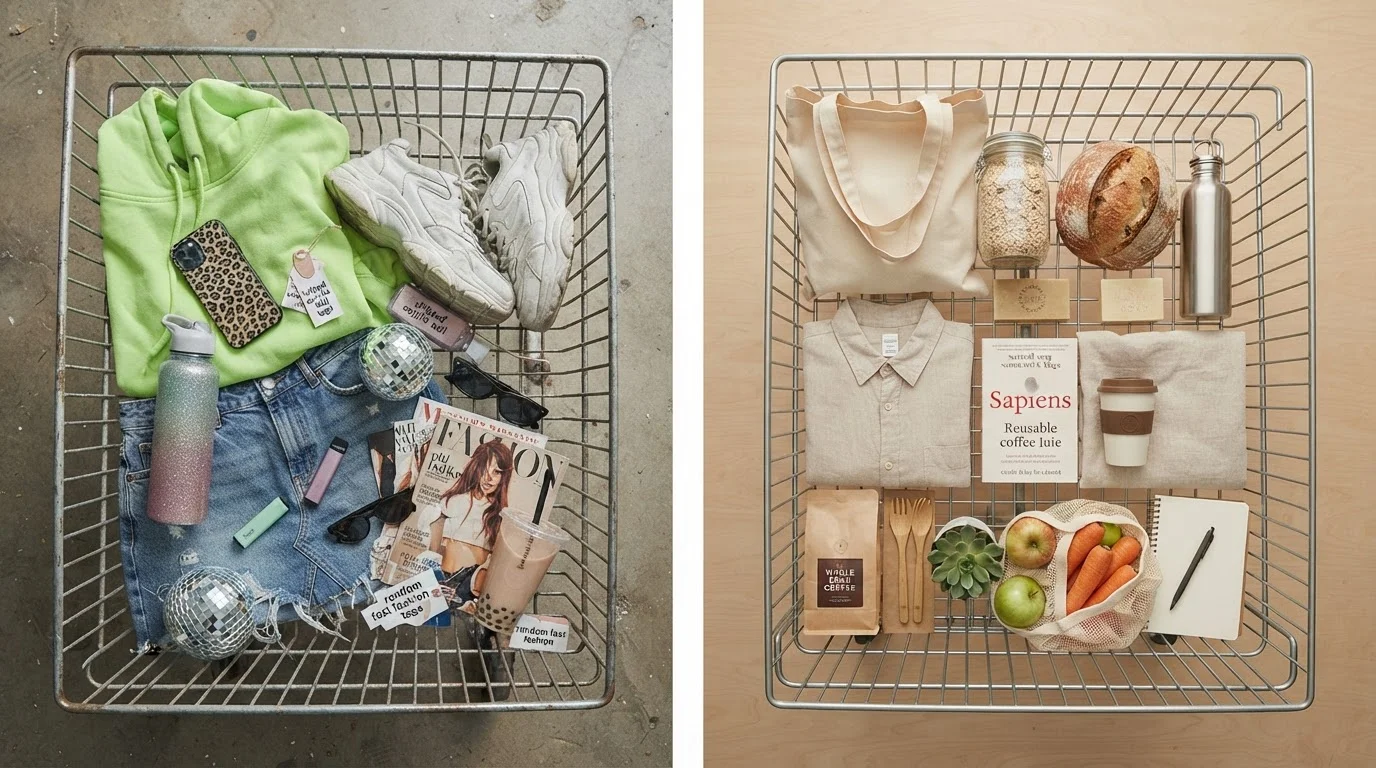
Every few months, a new consumer behavior gets labeled a "trend" — and the coverage often implies it signals a lasting shift in how Americans shop. Reality is more complicated. Researchers who study consumer behavior generally distinguish between situational changes (responses to a specific circumstance) and structural changes (shifts in underlying values or infrastructure). The former tends to fade; the latter tends to stick.
Understanding this distinction isn't just academic. It affects whether adopting a new habit — or buying gear to support it — makes long-term sense for your household. As savvy buying habits research consistently shows, the most durable consumer decisions are those anchored in genuine, recurring need rather than novelty or peer pressure.
Below, we examine specific recent trends on both ends of the spectrum, and what separates the ones that faded from the ones that fundamentally changed how Americans spend.
Trends That Turned Out to Be Short-Lived
Several high-profile spending surges of the early 2020s have since reversed course, offering useful case studies in situational demand.
Home Fitness Equipment
When gyms closed, sales of stationary bikes, treadmills, and free weights spiked sharply. Industry data showed connected fitness equipment demand rising dramatically in 2020–2021. But as gyms reopened and consumers reassessed their space and budgets, equipment resale listings flooded the market and several connected fitness companies reported steep revenue declines by 2022–2023. The underlying need — exercise — didn't change; only the temporary solution did.
Sourdough and DIY Pantry Stocking
Flour shortages, bread-baking tutorials, and bulk dry goods hoarding defined early pandemic shopping. These behaviors were explicitly tied to perceived scarcity and extra time at home. Once both conditions lifted, specialty flour sales and bulk-buying patterns returned largely to baseline.
NFTs and Crypto as Consumer Identity Signals
For a period, digital asset ownership became a consumer lifestyle signal — influencing merchandise, brand partnerships, and even loyalty programs. As crypto valuations corrected sharply and regulatory scrutiny increased, mainstream consumer interest cooled considerably. Features that sound compelling but rarely deliver lasting value are a recurring pattern in retail, and this category fit that mold for most everyday consumers.
| Trend | Category | Driver | Status | Why It Faded or Stuck | |
|---|---|---|---|---|---|
| Home fitness equipment surge | Home fitness equipment surge | Health & Wellness | Gym closures (situational) | Largely faded | Gyms reopened; equipment underused |
| Sourdough / bulk pantry buying | Sourdough / bulk pantry buying | Food & Grocery | Scarcity fear (situational) | Largely faded | Scarcity resolved; time constraints returned |
| NFTs as consumer lifestyle signal | NFTs as consumer lifestyle signal | Digital / Lifestyle | Novelty and speculation | Faded sharply | Market correction; no recurring utility |
| Online grocery ordering | Online grocery ordering | Grocery / Convenience | Necessity, then convenience | Stuck | Genuine time savings; infrastructure built out |
| Contactless / mobile payment | Contactless / mobile payment | Payments | Hygiene, then speed | Stuck | Faster UX; merchant infrastructure investment |
| Private label / store brand preference | Private label / store brand preference | General Retail | Inflation-driven value shift | Largely stuck | Many consumers retained new quality perceptions |
Trends That Have Actually Stuck
Not all behavioral shifts from recent years were situational. Several have demonstrated staying power because they removed genuine friction from everyday life.
Grocery and Meal Delivery
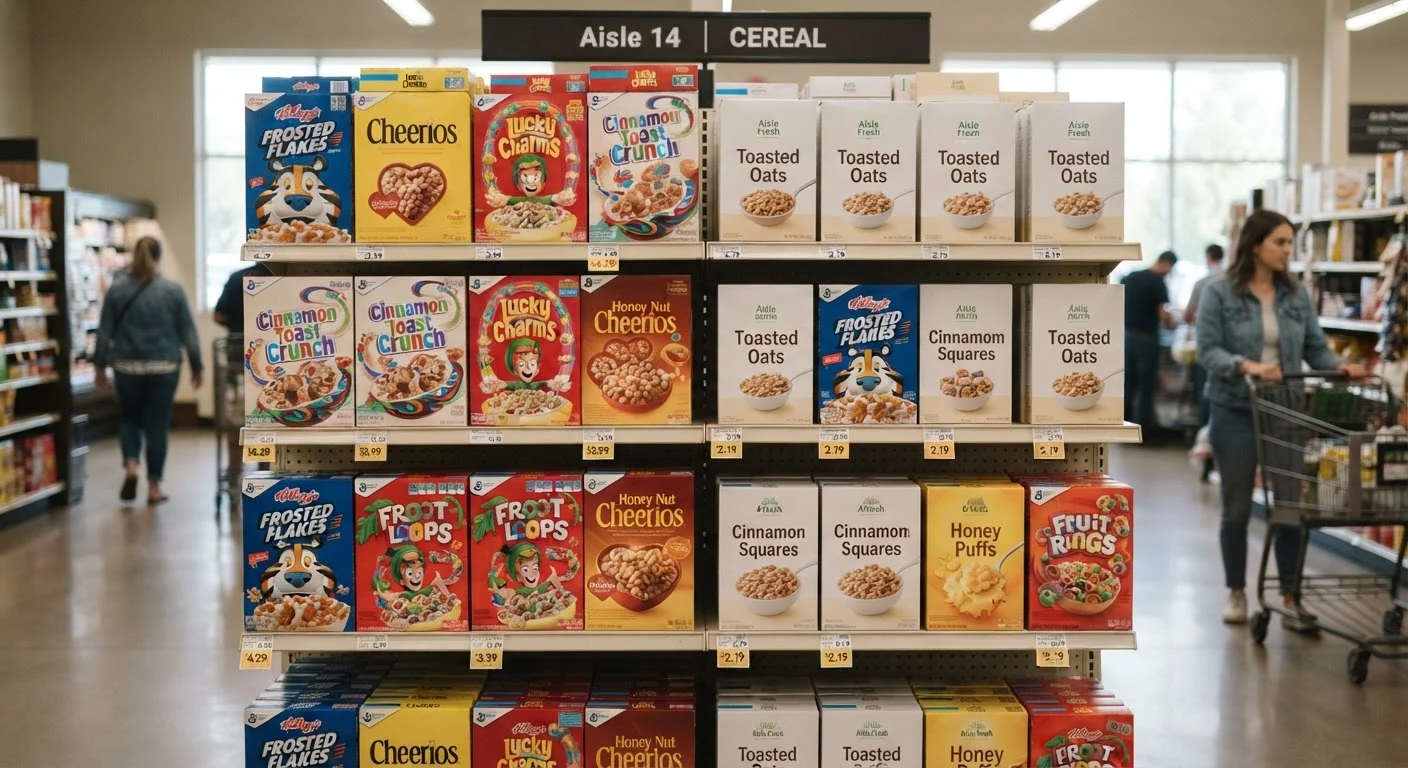
Online grocery ordering existed before 2020 but reached critical mass during the pandemic. Crucially, adoption didn't fully reverse afterward — convenience, time savings for dual-income households, and improved service reliability gave consumers reasons to continue. This mirrors broader patterns covered in how Americans balance in-store and online shopping: where a channel genuinely saves time or effort, retention follows.
Contactless and Mobile Payment
Tap-to-pay and mobile wallet adoption accelerated out of hygiene concerns but stayed because the experience is objectively faster at point of sale. Merchant infrastructure investment also locked in the change — it's difficult to un-build payment systems once they're installed.
Value-Seeking and Private Label Acceptance
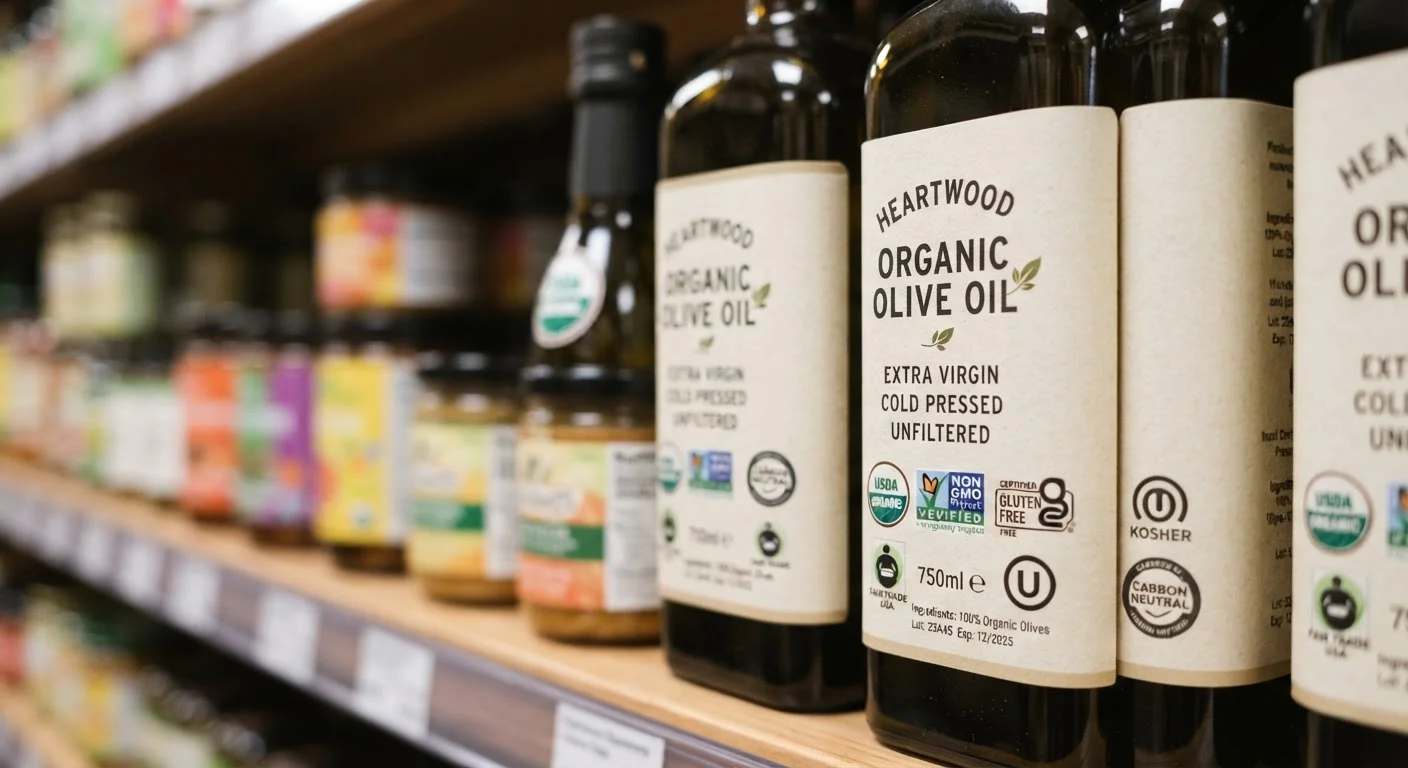
Inflation pushed many consumers toward store-brand alternatives, and research suggests a significant share of those consumers have not fully returned to premium brands even as inflation moderated. This connects to a broader reframing of what "value" means — a shift explored in detail in what value-seeking actually means for consumer behavior.
How to Evaluate a Trend Before It Shapes Your Spending
Trend reports are published constantly, but they're easy to misread — a useful primer on reading trend reports critically can help you evaluate claims before they influence your decisions. A few practical filters worth applying:
- Does it solve a recurring problem? Durable trends address needs that existed before the trend and will persist after it.
- Is adoption being driven by infrastructure? When businesses invest in a new system (payment terminals, delivery logistics), the change tends to outlast individual consumer enthusiasm.
- Is the behavior actually yours? Impulse buying patterns and social contagion regularly drive trial, but sustained use requires genuine personal fit.
- What demographic is driving it? Generational differences in shopping behavior often determine whether a trend spreads or stays niche.
Thinking about how inflation reshaped purchase priorities also provides useful grounding — not every behavioral change is trend-driven; some are responses to economic fundamentals that persist regardless of novelty cycles.