From Garage Sales to a Global Industry
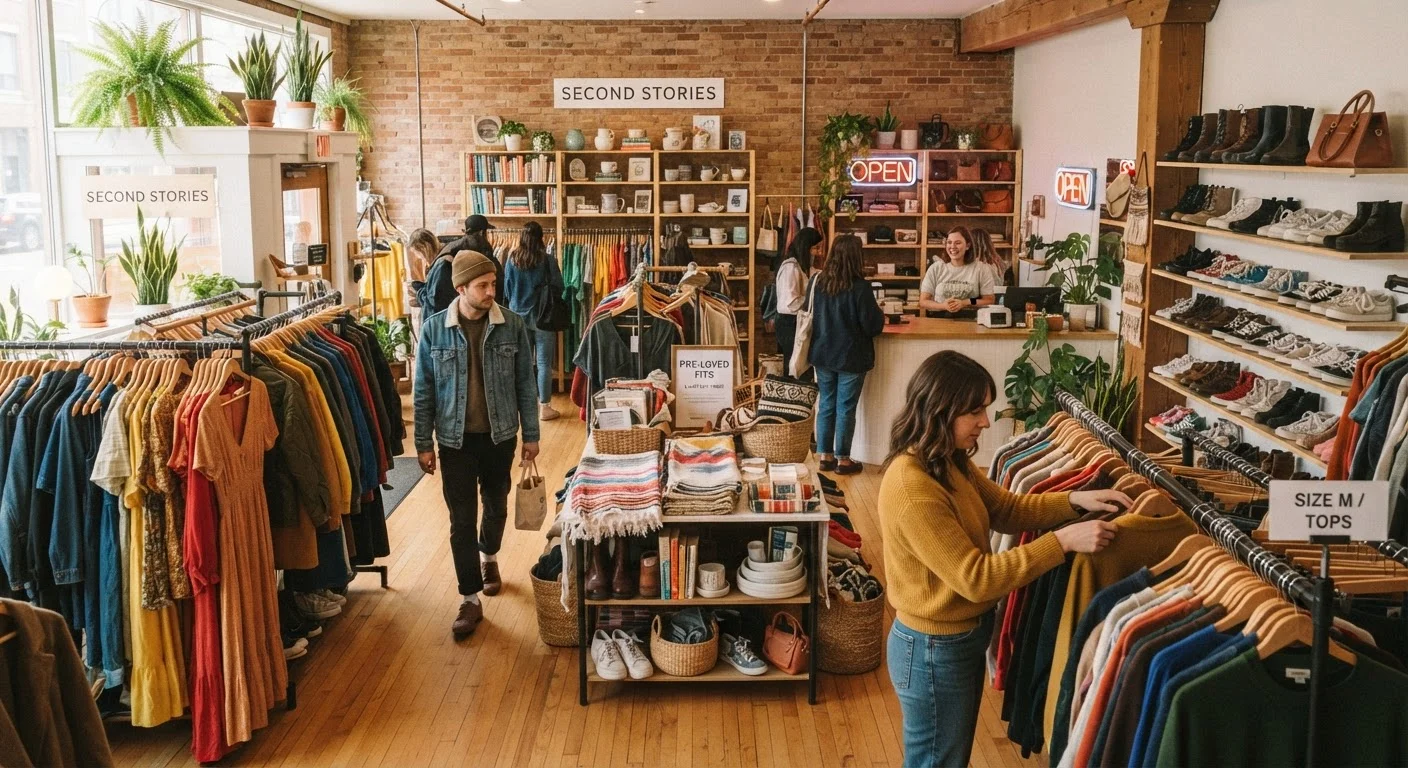
Buying and selling used goods is not new. Flea markets, pawnshops, and estate sales have existed for generations. What changed — dramatically — is the scale, visibility, and social status of secondhand shopping.
For much of the 20th century, purchasing used items carried a stigma in American consumer culture. New was equated with success; used implied financial hardship. That perception has fundamentally shifted. Today, resale is a multi-billion-dollar segment of the broader retail economy, supported by sophisticated platforms, mainstream media coverage, and a growing consumer base that spans income levels and age groups.
This transformation didn't happen overnight, nor did it result from a single cause. It reflects the convergence of economic pressures, technology, and evolving cultural values — a combination that proved durable rather than a passing fad. For context on which consumer shifts tend to stick, see consumer trends that faded fast versus those that stuck.
The Forces That Normalized Resale
Several distinct forces converged to bring secondhand shopping into the mainstream:
- Economic pressure: Persistent inflation in everyday goods, housing costs, and discretionary spending pushed consumers to seek value outside traditional retail. Buying used became a financially rational choice, not just a last resort.
- Environmental consciousness: As awareness of textile waste and supply chain impacts grew, resale offered a tangible way for consumers to act on environmental values. Extending the life of a product reduces the demand for new manufacturing — a straightforward appeal for eco-minded shoppers.
- Platform accessibility: Digital marketplaces eliminated the friction of finding, listing, and transacting secondhand goods. What once required a trip to a physical store or a classified ad now happens via a smartphone app in minutes.
- Cultural normalization: Influencers, celebrities, and social media content creators began showcasing thrift hauls and resale finds, repositioning secondhand shopping as creative and desirable rather than a concession.
This cultural shift connects closely to broader consumer mindset changes — including the growing interest in intentional, reduced consumption explored in the rise of underconsumption core.
$70B+
Projected U.S. resale market value
ThredUp's annual Resale Report has projected the U.S. secondhand apparel market alone could exceed $70 billion within the coming years, based on current growth trajectories.
52%
Consumers who bought secondhand in past year
According to ThredUp's 2023 Resale Report, more than half of U.S. consumers reported purchasing a secondhand item in the prior 12 months.
3x
Resale growth rate vs. traditional retail
Industry analyses have estimated that the secondhand market has been growing approximately three times faster than conventional retail over recent years.
Who's Buying Used — and What
Resale is no longer dominated by bargain hunters alone. Market research consistently shows that Millennials and Gen Z consumers are the most active participants, but older demographics have also increased resale purchasing, particularly for furniture, collectibles, and electronics.
Apparel remains the largest category, with footwear and accessories close behind. Luxury resale — authenticated handbags, watches, and jewelry — represents one of the fastest-growing segments, attracting buyers who want access to premium goods at a reduced entry price. Electronics resale has also expanded significantly, driven by the high cost of new devices and the relatively short replacement cycles that leave functional products available on the secondary market.
Traditional retailers have taken notice. Several major retail chains have launched resale or trade-in programs, integrating secondhand inventory alongside new goods. This blurring of channels signals that resale is no longer a separate, niche economy — it's woven into how Americans shop across multiple touchpoints, alongside trends documented in how Americans are splitting shopping habits between in-store and online.
What This Means for Everyday Shoppers
Understanding why resale went mainstream has practical implications. Consumers now have more options than ever to extend the value of items they own — by selling — and to source goods at a range of price points. But a larger, more complex resale market also requires more informed participation.
Quality varies widely by platform, category, and seller. Authenticated luxury resale platforms apply verification processes, but peer-to-peer sales involve more buyer judgment. Pricing in resale markets can be inconsistent; popular or scarce items sometimes sell for more than their original retail value, which means secondhand is not automatically less expensive. For a structured way to think through when used makes sense versus new, the guide to buying new vs. buying used offers a useful framework.
For consumers building more intentional habits, resale represents one viable tool among several. The savvy buying habits hub covers a range of approaches to making purchases that align with personal priorities, whether cost, sustainability, or quality.
Resale's mainstreaming ultimately reflects a maturing consumer culture — one that's more comfortable with complexity, more skeptical of the automatic value of new, and more interested in the full lifecycle of what it buys.