The Concept Behind the Behavior
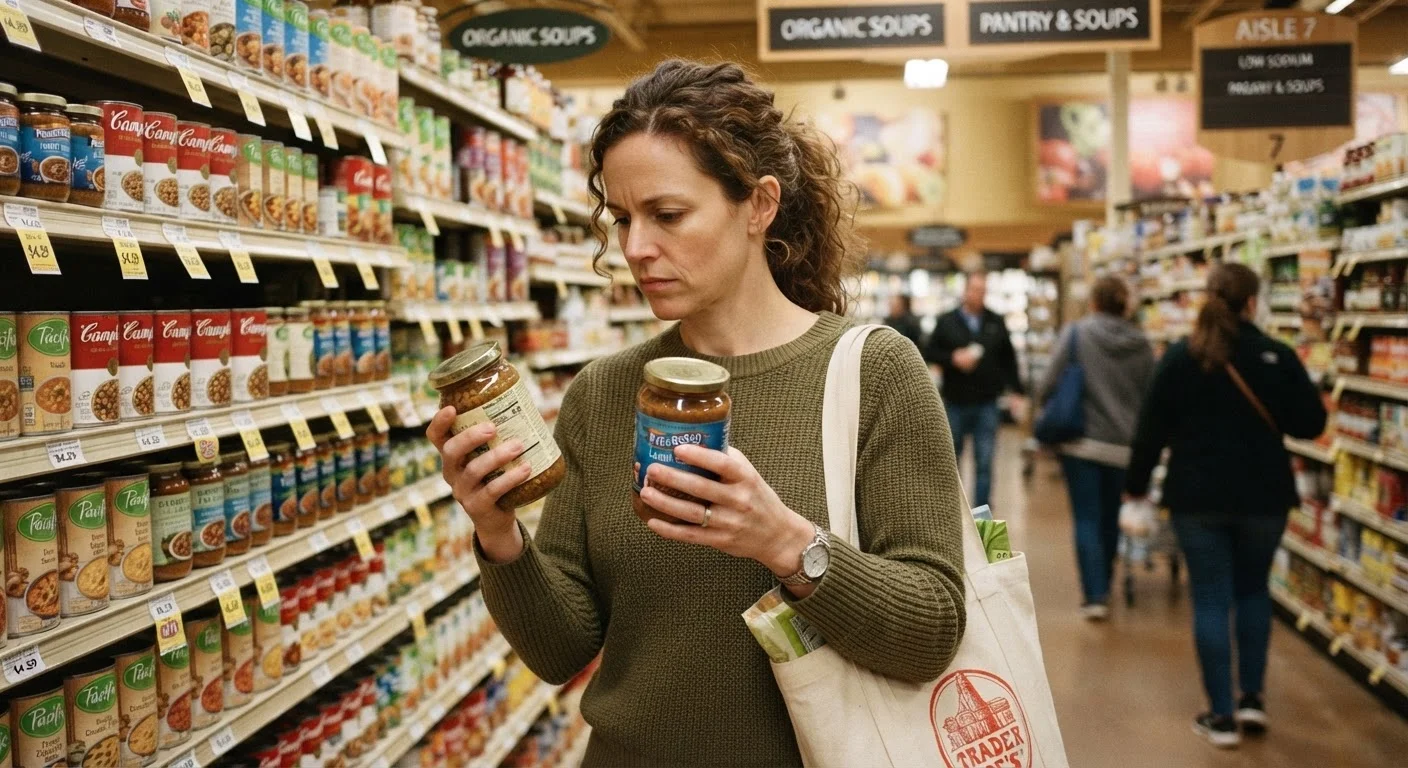
When economists and retailers use the term "value-seeking," they're describing something more nuanced than simply looking for a sale. It refers to a fundamental recalibration consumers make when they ask themselves: Is this purchase actually worth what I'm giving up for it?
That question sounds simple, but it carries a lot of weight. Worth is not a fixed standard — it shifts based on a consumer's financial confidence, life priorities, and perception of economic conditions. A household that comfortably bought premium olive oil for years may not suddenly dislike it; they may simply have decided that the price gap no longer feels justified given other pressures on their budget.
This is why value-seeking shows up differently across income levels and categories. It's not exclusively a behavior triggered by poverty or financial crisis. Research has documented value-seeking patterns among middle- and upper-income consumers during periods of economic uncertainty — people who could technically afford their prior spending habits but chose to reconsider them anyway. Understanding this helps explain why broad consumer behavior shifts often outlast the specific economic events that triggered them. For a broader look at how rising prices contributed to this mindset, see how inflation changed the way Americans prioritize purchases.
What Actually Changes When Consumers Seek Value
Value-seeking behavior tends to express itself in three overlapping ways: substitution, reduction, and elimination.
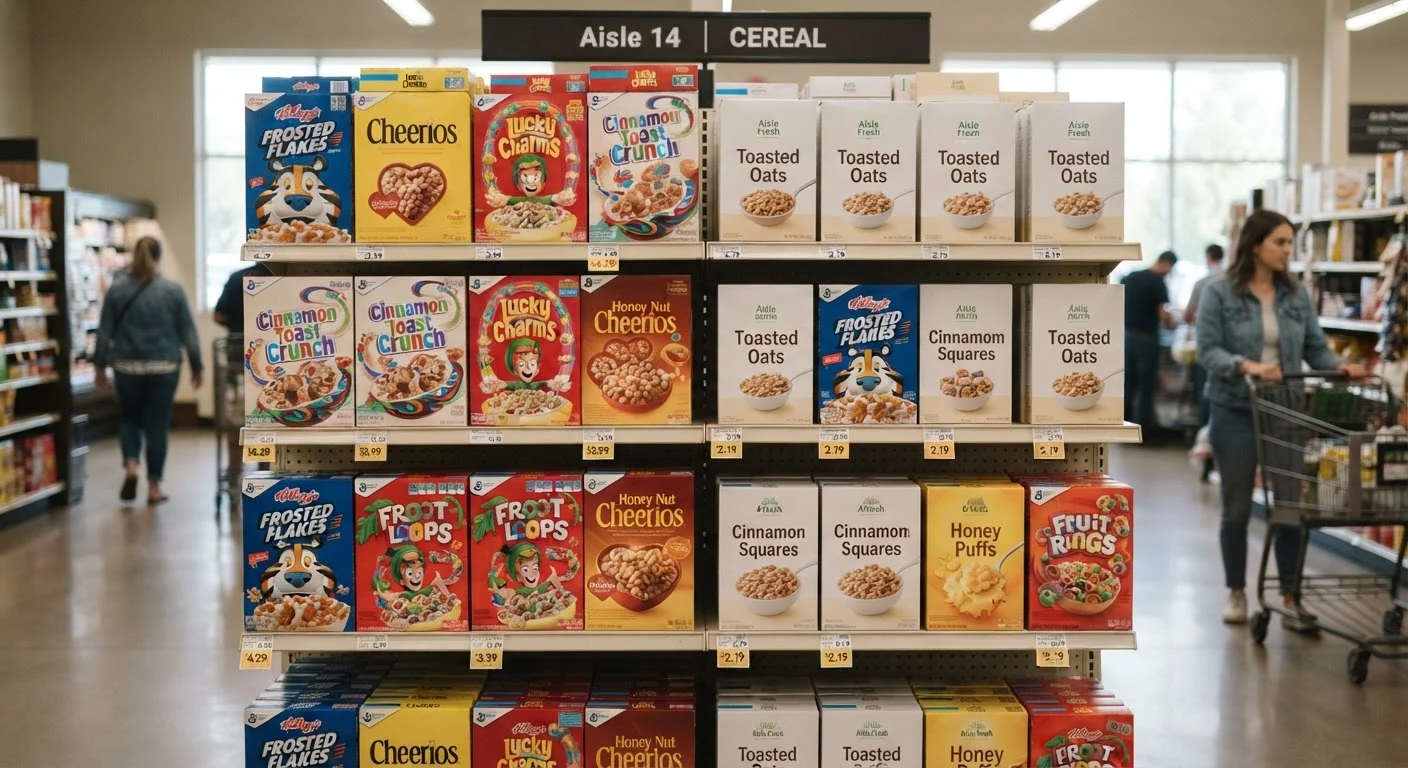
- Substitution means replacing one product with a comparable alternative — typically a store brand, a smaller size, or a different format that delivers similar utility at a lower cost. Grocery categories see this most visibly.
- Reduction means continuing to buy a category but purchasing less of it — fewer restaurant meals, smaller clothing hauls, or scaling back subscription services without canceling entirely.
- Elimination means cutting a category out of the budget altogether, at least temporarily. Discretionary spending — travel, entertainment, luxury goods — is most vulnerable here.
These aren't mutually exclusive. A household might substitute in groceries, reduce in dining, and eliminate in apparel — all simultaneously — while still spending freely in categories they consider essential or emotionally important. That selectivity is the core of value-seeking: it's not austerity across the board, it's deliberate prioritization.
~70%
Consumers reporting purchase scrutiny increase
McKinsey consumer surveys conducted during periods of inflation have consistently found that roughly two-thirds to three-quarters of consumers report actively looking for ways to reduce spending — across income levels, not just lower-income households.
~40%
Shoppers who switched to store brands and stayed
Industry research from consumer packaged goods analysts has found that a substantial share of consumers who switched to private-label products during inflationary periods did not return to national brands even after price pressures moderated.
3 in 4
Consumers reassessing discretionary spend
Surveys by multiple consumer research firms during recent inflationary periods found that the majority of American households deliberately reduced or reconsidered at least one discretionary spending category, regardless of income tier.
This selectivity also explains why value-seeking consumers are more likely to switch brands. When scrutiny increases, the automatic loyalty that drives repeat purchases weakens. Brand loyalty in America has been showing signs of erosion precisely because value-seeking consumers are running a conscious cost-benefit analysis that familiar brands used to bypass.
How This Differs From Simply 'Being Cheap'
Value-seeking is frequently mischaracterized as pure price sensitivity, but that framing misses important dimensions of the behavior. A price-sensitive consumer flinches at higher costs across the board. A value-seeking consumer might happily pay more for a product if the case for it is sufficiently clear.
Consider a consumer who cuts their grocery bill by switching to store brands on staples — but then spends more on a quality kitchen appliance because they've calculated it will reduce food waste and last longer. Both decisions emerge from the same value orientation: maximize what each dollar returns over time. The behavior isn't cheap; it's strategic.
This is also why value-seeking periods sometimes produce counterintuitive market data. Spending in certain premium or "investment" categories holds up or even grows while mass-market discretionary spending falls. Consumers aren't uniformly pulling back — they're reallocating based on their own private accounting of benefit versus cost.
The underconsumption movement that gained cultural visibility in recent years reflects a related but distinct phenomenon: a values-driven rejection of consumption itself, not just a tactical reallocation of spending. Both behaviors can look similar from the outside — buying less — but the motivations and likely long-term trajectories differ considerably.
What This Means for Everyday Shoppers
Recognizing value-seeking as a behavioral pattern — rather than just a reaction to being broke — has practical implications for how individuals approach their own spending.
First, it's worth understanding that the impulse to reassess purchases during uncertain times is normal and widespread. It doesn't require a household financial crisis to trigger; a general sense that economic conditions are unstable is enough to shift how people evaluate purchases. Rising return rates among American shoppers are one visible signal of this heightened scrutiny: consumers are buying more carefully and second-guessing purchases they previously made without hesitation.
Second, value-seeking behavior can become habitual in ways that are genuinely beneficial. Consumers who develop intentional purchasing habits during tight periods — comparing unit prices, evaluating durability, distinguishing needs from wants — often report maintaining those habits afterward, not because they have to, but because the discipline surfaces purchasing decisions they prefer on reflection. For readers interested in building those habits deliberately, developing savvier buying habits is a useful place to start. And for those evaluating whether individual products hold up under this kind of scrutiny, product know-how resources can help frame those assessments. Some consumer trends formed during economic pressure have proven durable — an important reminder that not everything reverts when conditions ease.
This article is for general informational purposes only and does not constitute financial advice. Readers should consider their own financial situation and consult a qualified professional for personalized guidance.