The Mechanism: Why Prices Change Behavior, Not Just Budgets
When prices rise faster than incomes, consumers face a straightforward problem: the same dollar buys less. But the more significant — and often overlooked — consequence is psychological. Sustained inflation doesn't just compress budgets; it forces a conscious renegotiation of what a household considers necessary.
This renegotiation is visible in the data. During periods of elevated inflation, consumer spending surveys consistently show declining expenditure in discretionary categories — restaurants, entertainment, apparel, and travel — while spending on food at home, healthcare, and housing remains relatively stable. The trade-off isn't simply cutting back; it's restructuring priorities from the ground up.
For a fuller picture of why paychecks sometimes fail to offset this pressure, see why rising wages can still feel like falling behind. Understanding that dynamic helps explain why even employed, higher-earning consumers adjust their purchase hierarchies during inflationary cycles.
61%
Americans living paycheck to paycheck during peak inflation
According to a 2023 LendingClub report, a majority of U.S. consumers reported stretching income to cover monthly expenses during elevated inflation.
~$709
Estimated annual cost of inflation on average U.S. household
A 2022 Penn Wharton Budget Model analysis estimated the annual household burden of elevated inflation in the hundreds of dollars for typical expenditure levels.
30%+
Increase in store-brand grocery sales share
Private label food sales grew significantly during the 2022–2023 inflationary period, according to data tracked by the Private Label Manufacturers Association.
What Gets Cut — and What Gets Redefined as Essential
Consumer behavior research identifies a consistent pattern: the first cuts are social and experiential. Dining out drops sharply, followed by entertainment subscriptions, clothing, and personal care services. These reductions are rational — they're categories where cost is most visible and alternatives (cooking at home, canceling a streaming tier) are readily available.
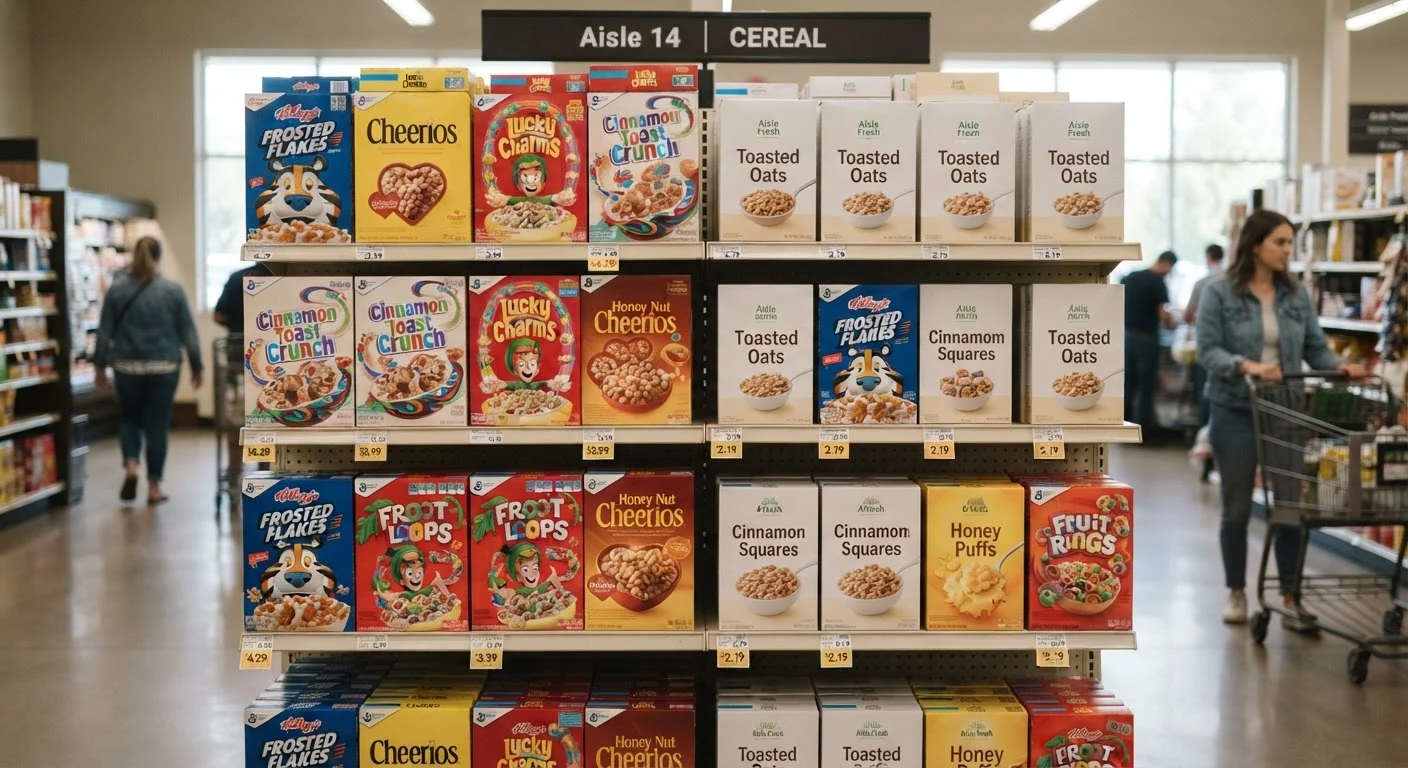
More interesting is what happens to categories that consumers don't cut but instead restructure internally. Grocery spending, for example, may stay flat or even rise in dollar terms while the mix of products changes significantly. Shoppers switch from national brands to store-label alternatives, select different protein sources, and buy larger pack sizes to reduce unit cost. The category remains "essential," but the definition of acceptable choices within it expands.
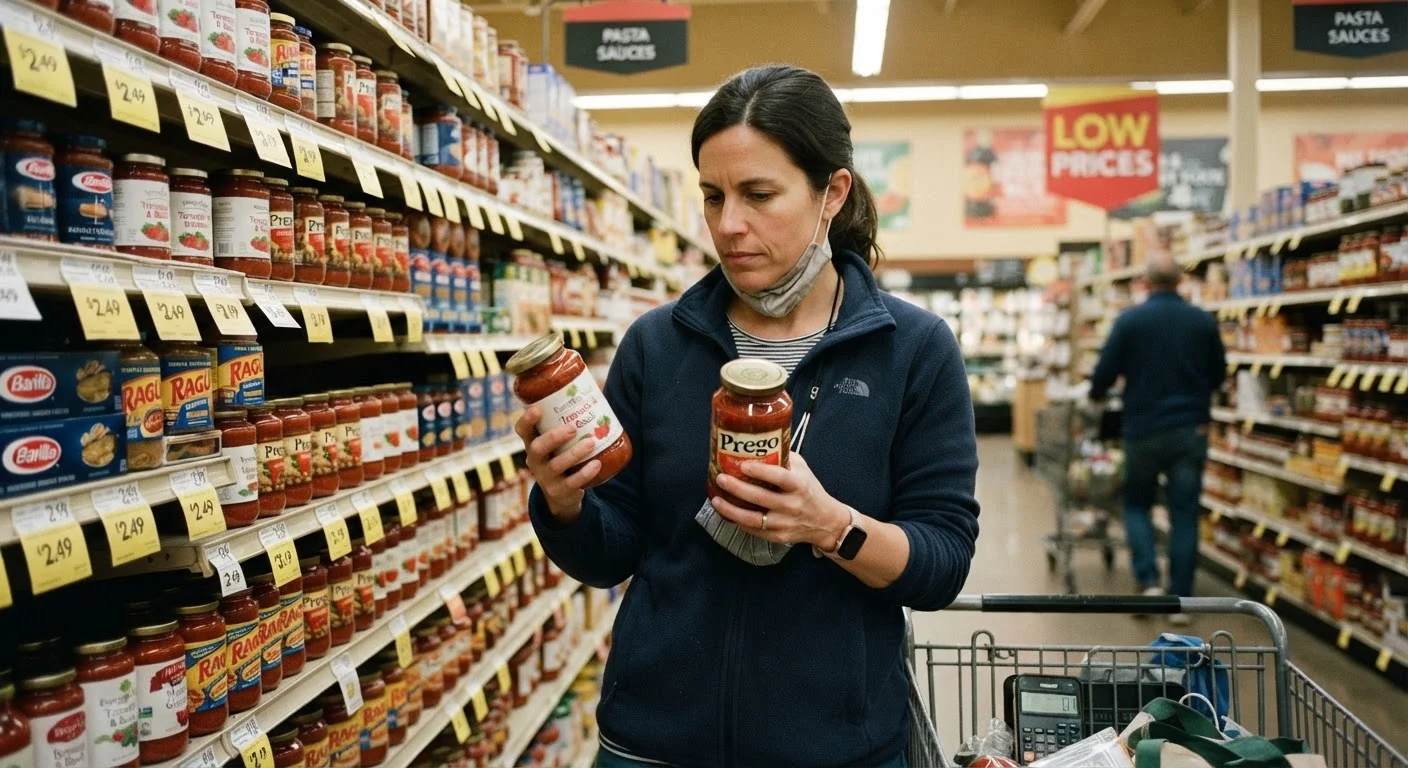
This is the core of what economists call value-seeking behavior — and it's more nuanced than simple frugality. What value-seeking actually means involves redefining what a purchase needs to deliver, not just hunting for a lower price tag. A consumer who switches from a premium laundry detergent to a store brand isn't necessarily compromising — they may be concluding that the functional outcome is equivalent.
Habits That Outlast the Price Spike
One of the more consequential findings from studying inflationary periods is that many behavioral changes persist well beyond the price pressure that triggered them. Behavioral economists describe this as habit formation — once a new routine becomes the default, friction keeps people from reverting even when the original incentive fades.
Meal planning at home, using grocery store apps to compare unit prices, and relying on store-brand staples are examples of habits that consumers often retain. Similarly, delayed large purchases — furniture, electronics, vehicles — sometimes reveal that the item wasn't as urgent as assumed, leading to a more deliberate evaluation process that continues afterward.
Not every inflation-era trend proves durable, however. Some consumer shifts fade quickly while others permanently change habits — understanding which category a given behavior falls into helps consumers evaluate whether their own adjustments are likely to stick.
For those looking to build more deliberate spending frameworks, developing savvy buying habits offers structured guidance on making purchase decisions more intentional regardless of the economic environment.
What These Shifts Mean for Everyday Decision-Making
Understanding why inflation triggers purchase prioritization — rather than simply treating it as a belt-tightening exercise — gives consumers more agency. The process is not arbitrary; it follows recognizable patterns that can be anticipated and navigated deliberately.
Practically, this means evaluating purchases against a hierarchy: fixed necessities first, flexible necessities second, and discretionary spending last. It also means recognizing when decisions involve genuine trade-offs versus habits maintained out of inertia. A subscription retained by default, or a brand preference never questioned, may represent an easy reallocation opportunity.
Tools like unit pricing and cost-per-use calculations — explored in depth in unit price, total cost, and cost-per-use — make the internal restructuring process more concrete. Rather than cutting spending by feel, consumers can apply straightforward metrics to compare options within a category and identify where value genuinely lies.
Inflation also creates conditions where psychological pricing tactics become more influential. Being aware of how price anchoring shapes perception of value can help consumers evaluate deals on their merits rather than responding to framing.
This article is for general informational and educational purposes only and does not constitute financial or economic advice. Readers are encouraged to consult qualified financial professionals for guidance specific to their circumstances.