Why Country-of-Origin Labels Exist — and What They Were Designed to Do
Country-of-origin labeling in the United States exists primarily as a trade, customs, and consumer disclosure requirement — not as a quality assurance mechanism. The Federal Trade Commission, U.S. Customs and Border Protection, and sector-specific agencies each have rules governing how and when origin must be disclosed, and those rules serve purposes like tariff assessment, trade agreement compliance, and basic market transparency.
Understanding this context reframes how these labels should be read. They are a regulatory data point, not an editorial judgment. When a label says 'Made in Vietnam' or 'Assembled in Mexico,' it is communicating a legal classification about where production steps occurred — nothing more, and nothing less. Treating it as a shorthand for quality is a category error that can mislead purchasing decisions in both directions.
This misreading is similar to how food labels get misinterpreted. Just as terms like 'natural' or 'multigrain' on food packaging are loosely regulated and often misunderstood — as explored in our article on how 'healthy' food labels can mislead — product origin labels carry a specific legal meaning that rarely aligns with how most consumers interpret them.
Common Myths About Country of Origin and Quality — Corrected
Consumer assumptions about manufacturing origin and product quality run deep, shaped by decades of marketing, geopolitical narratives, and anecdotal experience. The myth-and-fact pairs below address the most common of these misconceptions with what the evidence actually supports.
Myth
Products made in certain countries are always lower quality than those made domestically or in Western Europe.
Fact
Manufacturing quality is determined by production standards, materials, and oversight — not geography. The same factory can produce goods at vastly different quality tiers depending on the buyer's specifications.
This is one of the most persistent misconceptions in consumer culture. The country listed on a label tells you where a product — or more precisely, a stage of its production — was completed. It says nothing about the quality of materials, the rigor of quality control, or the durability of the finished product.
Many high-end electronics, precision medical devices, and luxury goods are manufactured in countries that were once stereotyped as producing cheap goods. Conversely, products assembled domestically can use low-grade imported components. Quality is a function of investment in process and materials, not postal geography.
Myth
'Made in [Country]' means the entire product — every component — was produced there.
Fact
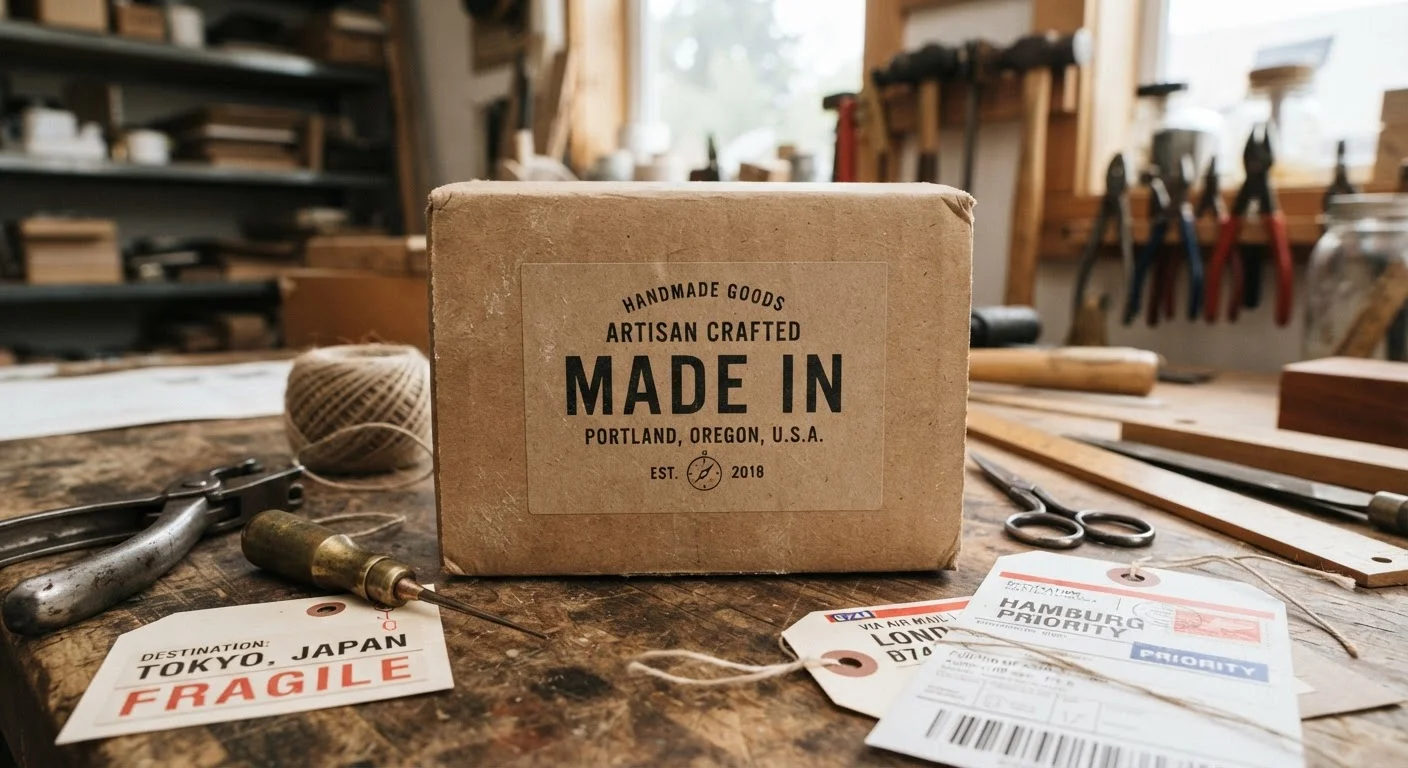
Country-of-origin labels typically indicate where the final assembly or substantial transformation occurred, not where every part originated.
Modern manufacturing is deeply globalized. A product labeled as made in one country may contain semiconductors from another, textiles from a third, and raw materials from several others. U.S. Customs regulations define country of origin based on where a product underwent its last 'substantial transformation' — a legal standard that does not require all inputs to be domestic.
This means the label is better understood as a trade classification than a geographic biography of the product. For a fuller picture of sourcing, look for brand transparency reports or third-party supply chain audits when available. See our guide to reading product specifications critically for related context.
Myth
Lower labor costs in a country automatically translate to inferior craftsmanship.
Fact
Labor cost is one input in manufacturing; it does not determine skill, precision, or output quality on its own.
Skilled craftsmanship exists across every income bracket and every country. Lower average wages in a manufacturing region reflect economic and structural factors — purchasing power parity, local cost of living, currency exchange rates — not a ceiling on worker ability or product output.
What does matter is whether the manufacturer invests in quality control processes, worker training, and material sourcing. A well-managed factory in a lower-wage region can — and routinely does — produce goods that meet or exceed the quality of items made in higher-wage regions, when the commissioning brand sets and enforces high standards.
Myth
Domestic production guarantees safer products because of stricter regulations.
Fact
Regulatory standards vary widely by product category, and imported goods sold in the U.S. must also comply with applicable U.S. safety rules.
Consumer safety in the United States is governed by agencies such as the Consumer Product Safety Commission (CPSC), the Food and Drug Administration (FDA), and the Environmental Protection Agency (EPA), depending on the product type. These agencies set standards that apply to products sold in U.S. markets regardless of where they were made.
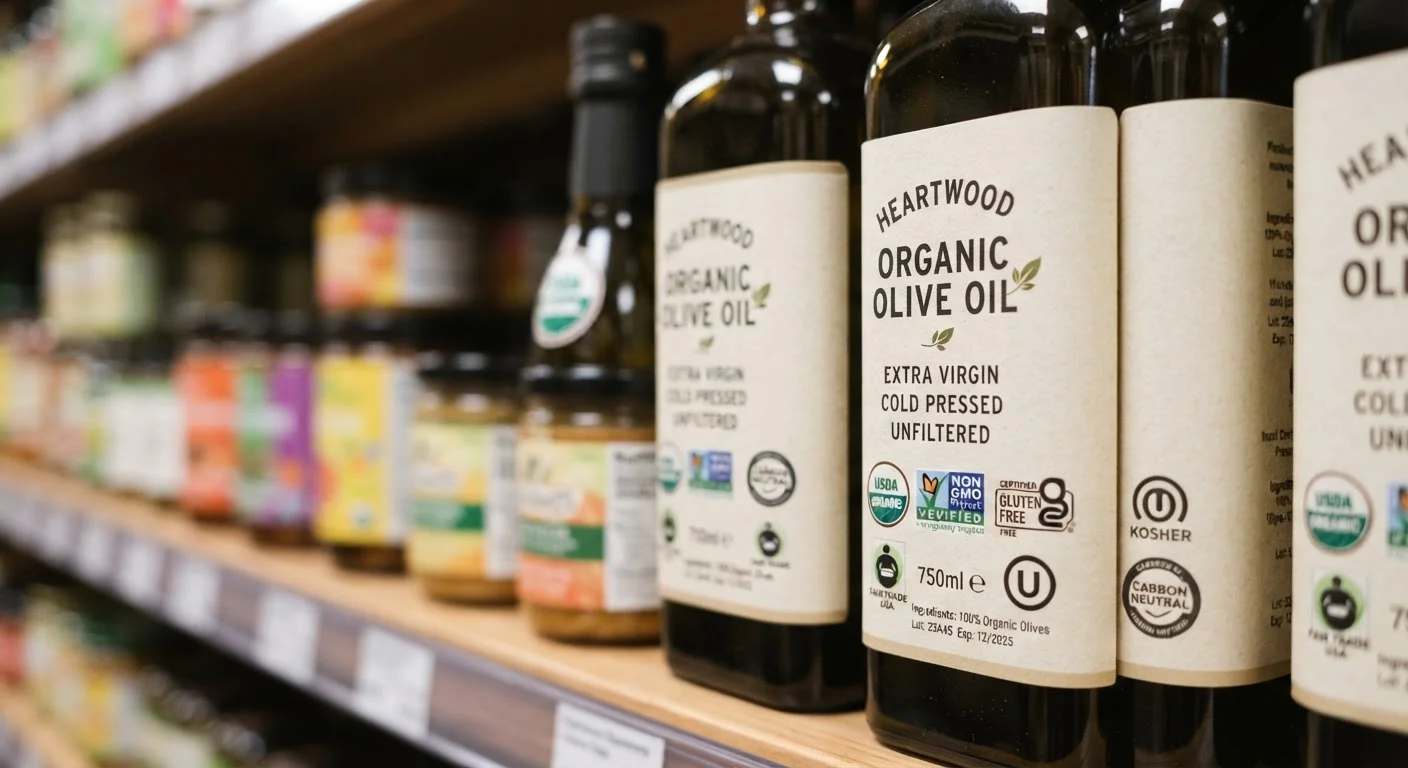
Domestic production does not inherently mean superior regulatory oversight for every category — enforcement and compliance depend on the specific product type and the diligence of the company. Third-party certifications from bodies like UL, NSF International, or ASTM International can be more directly informative than origin labels. Learn which certification labels actually carry weight before using them as quality proxies.
Myth
Premium price points on domestically made goods reflect higher quality materials.
Fact
Higher prices for domestic goods often reflect higher labor costs and marketing positioning, not necessarily superior materials or construction.
Pricing is shaped by many variables: labor rates, overhead, import duties, branding, retailer margins, and consumer willingness to pay. A product positioned as a premium domestic item may use the same grade of raw materials as a lower-priced imported alternative — the difference in cost is structural, not necessarily material.
This is not an argument against domestic manufacturing, which carries legitimate value propositions around supply chain transparency, environmental transport costs, and economic impact. But consumers should not conflate price premium with material superiority without evidence. Physical build quality signals — like material weight, joint construction, and finish consistency — are more reliable indicators than price or origin alone.
For a broader look at how packaging language shapes — and sometimes distorts — consumer perception, see our coverage of overclaiming on product packaging.
What to Look For Instead
If country of origin is not a reliable quality signal, what is? Several factors offer more direct evidence of how well a product is made and whether it will hold up to use.
~80%
Of global trade involves global value chains
The World Trade Organization has estimated that roughly 80% of global trade flows through international value chains, meaning most finished goods cross multiple borders before reaching consumers.
"All or virtually all"
FTC threshold for 'Made in USA' claims
The Federal Trade Commission requires that unqualified 'Made in USA' claims mean the product is 'all or virtually all' made domestically — a standard focused on sourcing disclosure, not product quality.
- Third-party certifications: Independent testing organizations verify specific performance or safety claims against defined standards. These are more informative than origin because they are based on measurable criteria.
- Material specifications: Grade, density, treatment, and sourcing of core materials — when disclosed — tell you more about durability than geography. Look for this in product documentation or brand transparency disclosures.
- Brand accountability practices: Brands that publish supply chain audits, maintain public quality standards, or operate transparent returns and warranty programs are signaling a stake in product performance.
- Tactile and physical inspection: Where possible, evaluating construction quality directly — seam integrity, material weight, finish consistency, joint tightness — remains one of the most reliable pre-purchase quality checks available.
Origin is a starting point for some kinds of sourcing research, but as a standalone quality indicator, it consistently overpromises and underdelivers on what it can actually tell you.