Why Southeast Asia Gets Recommended So Often
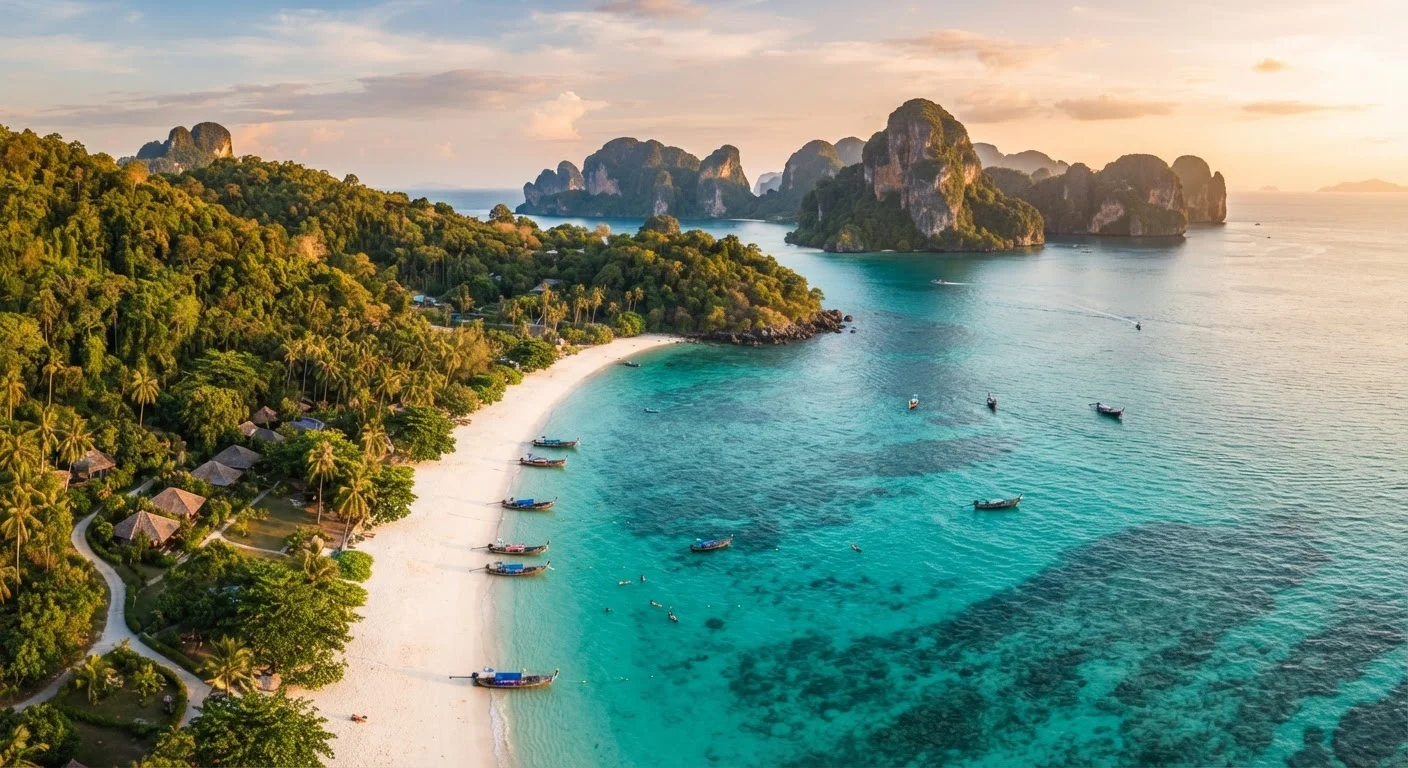
Ask any well-traveled friend where to go for a first international trip, and Southeast Asia will almost certainly come up. The reasons are genuine: the region offers an extraordinary density of experiences — ancient temples, vibrant street food scenes, tropical beaches, mountain trekking — all at a cost of travel that's typically lower than Western Europe or Australia. English is widely spoken in tourist corridors, and the hospitality cultures across much of the region make visitors feel genuinely welcome.
For Americans, there's also a sense of real discovery. Southeast Asia isn't just "easier Europe" — it's legitimately different, in language, cuisine, religion, and daily rhythm. That's part of the appeal. But it's also where the honest assessment needs to begin: different isn't always the same as difficult, but it does require preparation.
Before diving into destinations, if you haven't already reviewed the essentials of international travel planning, the first-time international travel guide covers the foundational logistics — passports, visas, health prep, and money — that apply no matter where you're headed.
What 'Easy' Actually Means Here
The word "easy" gets thrown around loosely when people describe Southeast Asia as a beginner destination. It's worth unpacking. In well-touristed areas — central Bangkok, Hoi An, Ubud, Siem Reap — the infrastructure is genuinely first-timer-friendly: English menus, ride-hailing apps, reliable guesthouses, and organized day-tour options. Navigating those environments is not dramatically harder than a major European city for most travelers.
But move off the beaten path — rural Cambodia, the highlands of Laos, remote Indonesian islands — and the picture changes. Road conditions, language barriers, variable sanitation, and limited medical access become real factors. "Easy" is always relative to where you go and how independently you travel.
Long-Haul Flight Time Is Real
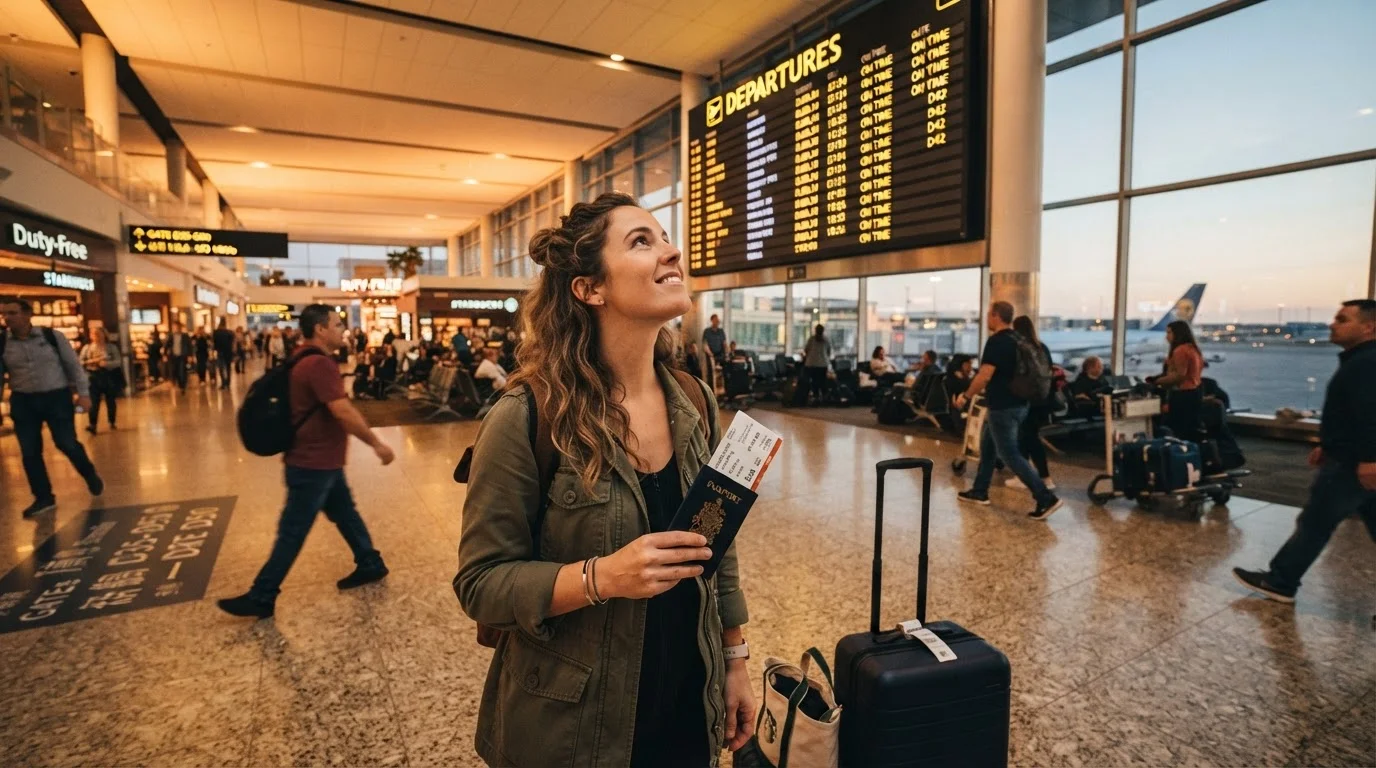
Flight times from the U.S. to Southeast Asia typically run 16–22+ hours depending on your departure city, routing, and connections. This is a meaningful factor for first-time long-haul travelers. Build at least one low-key day into the start of your trip to recover before jumping into full sightseeing mode. Jet lag from crossing 12+ time zones can be more disorienting than many travelers expect.
Flight times from the U.S. are also a genuine factor to account for. Depending on your departure city, reaching Southeast Asia typically involves 16–22+ hours of travel, often with one or two connections. Budget time for jet lag recovery before planning active first days.
Which Countries Are More First-Timer Friendly
While every country in the region deserves its own deep dive, a few patterns hold for first-time visitors:
- Thailand is widely considered the most accessible entry point. Bangkok has a modern metro system, Chiang Mai is walkable and culturally rich, and the southern islands are well-organized for tourism. Visa policies for Americans have historically been favorable, though always verify current requirements through official sources.
- Vietnam offers a remarkable range of landscapes and experiences along its long, north-to-south geography. Hanoi, Hội An, and Ho Chi Minh City have robust tourism infrastructure. An e-visa is typically required for U.S. citizens — check current official entry requirements before booking.
- Bali, Indonesia functions almost as its own travel ecosystem. It's exceptionally well-developed for tourism, with a wide range of accommodations and organized excursions. It's a single island within a vast archipelago country, so entry requirements and logistics differ from visiting other parts of Indonesia.
- Cambodia and Laos are genuinely rewarding but slightly more logistically complex, with variable infrastructure outside main tourist hubs. They're excellent choices once you have a bit of regional travel experience under your belt.
For those planning to travel solo, our solo travel introduction offers grounded advice on mindset, safety habits, and what to realistically expect on your first independent trip.
Logistics, Health, and Safety Realities
Southeast Asia requires more health preparation than most trips within the Americas or Europe. Depending on your destination, a travel medicine consultation may recommend vaccinations or preventive medications. Food and waterborne illness is a real consideration — tap water is generally not safe to drink across most of the region, and street food, while often delicious and perfectly safe when freshly prepared at busy stalls, requires some judgment. Consult a healthcare provider well before your departure date; ideally six to eight weeks in advance.
Transportation between cities and countries varies widely. Budget airlines connect major hubs efficiently. Overnight trains and buses work well on established routes. But booking transportation in-country can be confusing for first-timers — scams targeting tourists around transportation are common in some cities, so research your options before arriving. Ride-hailing apps (Grab is widely used across the region) have made urban transit significantly more straightforward.
Safety conditions across Southeast Asia are generally manageable for prepared travelers, but they're not uniform. Check current U.S. Department of State travel advisories for each country you plan to visit — these are updated regularly and reflect real-time conditions. For a full framework on managing international travel logistics from start to finish, see the comprehensive international travel planning walkthrough.
How to Decide If It's Right for You
Southeast Asia is a genuinely exciting first international destination for many travelers — but it rewards those who go in prepared rather than those who assume "easy" means effortless. Ask yourself honestly: Are you comfortable navigating unfamiliar systems without a safety net? Can you handle a long-haul flight and significant time zone adjustment? Are you open to flexible plans when things don't go as expected?
If the answer to those questions is mostly yes, Southeast Asia can be a transformative first trip abroad. Pick one or two countries rather than trying to cover the whole region. Give yourself breathing room in your itinerary — the guide to building an itinerary that actually works is a practical resource for avoiding the overpacking trap. And research your specific destinations thoroughly rather than treating the region as a monolith.
The region rewards curiosity, patience, and a willingness to be genuinely surprised. Go in with honest expectations, and it's likely to be one of the most memorable trips you'll ever take.
This article is for general informational purposes only. Entry requirements, health recommendations, and safety conditions change frequently. Always verify visa and entry rules through official government sources, consult a licensed healthcare provider for travel health advice, and review current travel advisories from the U.S. Department of State before booking international travel.