
What Solo Travel Actually Feels Like
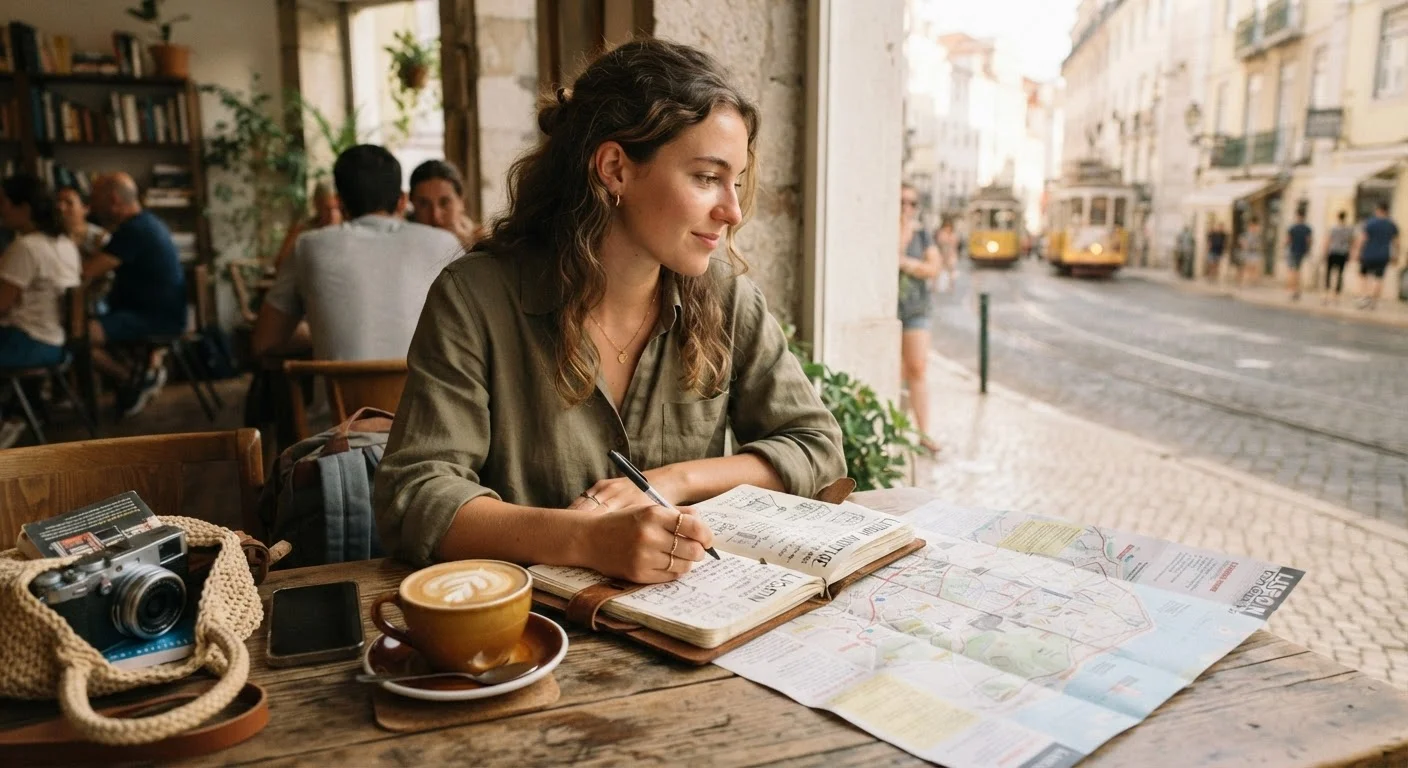
First-time solo travelers often imagine two extremes: either a triumphant movie montage of freedom, or a paralyzing stretch of loneliness and wrong turns. Reality lands somewhere more interesting than either. Most first trips involve a mix of genuine exhilaration, a few moments of self-doubt, and — unexpectedly — long stretches of ordinary contentment.
The freedom is real. You eat when you're hungry, linger where you want, and change plans without negotiating with anyone. But that same autonomy means every decision lands on you, which can feel heavy until you build momentum. The first morning in a new city alone is often the hardest — by day two or three, most solo travelers find a rhythm.
Loneliness tends to surface during unstructured downtime: a long dinner without anyone to talk to, or a quiet afternoon when you're not sure what to do next. This is normal and doesn't signal the trip is a failure.
Solo Doesn't Mean Isolated
Many solo travelers are surprised by how social the experience turns out to be. Hostels, group tours, cooking classes, and even restaurant counters are natural settings for meeting other travelers. You control as much or as little interaction as you want — that flexibility is part of what makes solo travel rewarding.
Choosing the Right First Destination
Destination choice has an outsized effect on how a first solo trip feels. The goal isn't the most impressive or exotic location — it's the one where you can build confidence without unnecessary friction. A few factors worth weighing honestly:
- Language: A destination where you can read signage and communicate basic needs significantly reduces cognitive load. This doesn't mean avoiding non-English-speaking countries permanently — just consider whether a language barrier is a challenge you want on trip one.
- Transit reliability: Destinations with legible, safe public transportation let you move independently without depending on taxis or rideshares for every journey. See our guide on getting from the airport to the city center for a realistic look at what ground transfer actually involves.
- Traveler infrastructure: Established solo-traveler networks — hostels, walking tours, well-documented neighborhoods — give you built-in options for orientation and connection.
A domestic trip to an unfamiliar city counts as solo travel and makes a legitimate first chapter. There's no hierarchy. For those leaning international, our first-time international travel guide covers documents, visas, and logistics comprehensively.
When vetting destination information, apply healthy skepticism to what you read online. Our guide on researching destinations like a journalist walks through how to identify reliable sources before you book anything.
Planning and Safety Fundamentals
Solo travel planning doesn't require military precision — but a few non-negotiables apply regardless of destination.
Book Your First Night Before You Arrive
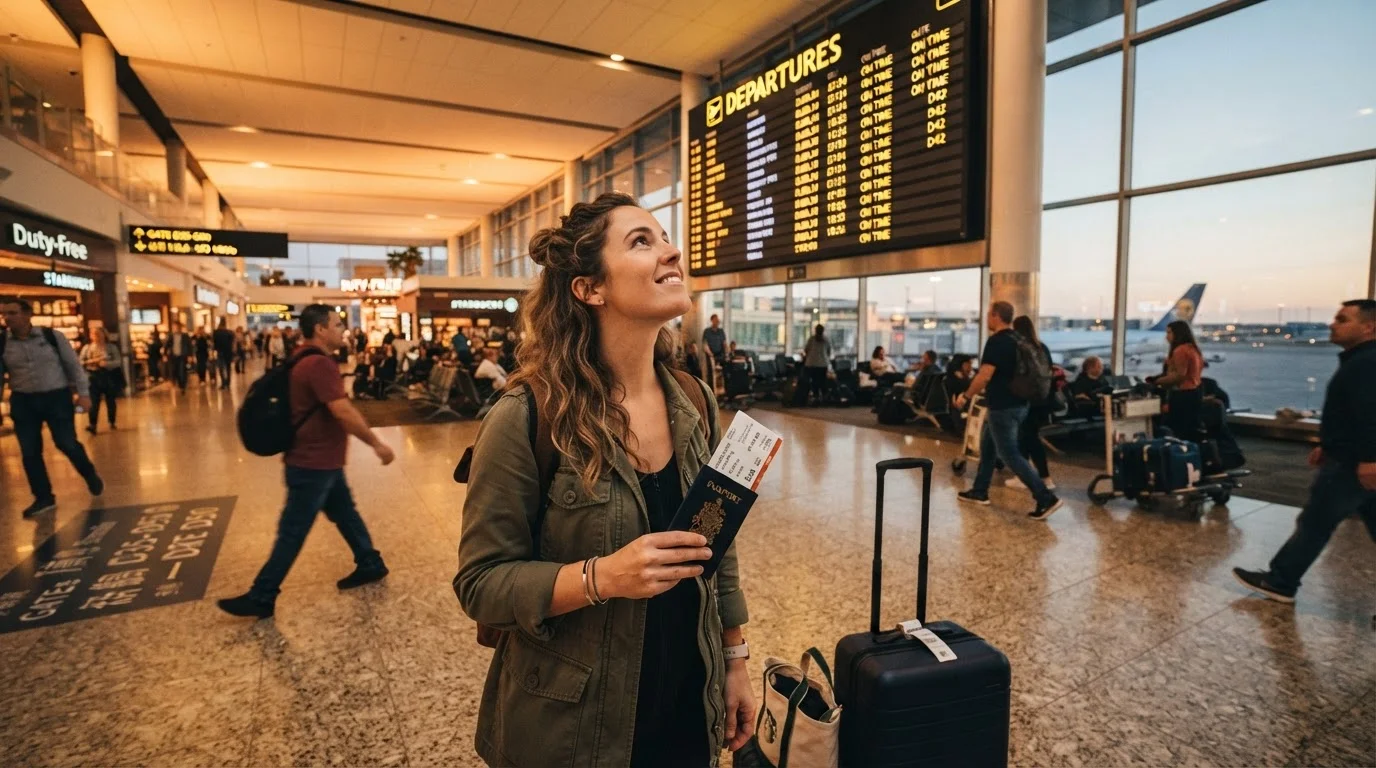
Whatever else you leave open, confirm your first-night accommodation and your airport-to-hotel transfer in advance. Arriving exhausted in an unfamiliar city without a plan dramatically increases stress. Once you've settled in and slept, figuring out the next few days feels far more manageable.
Share your itinerary. Before you leave, give someone at home a copy of your accommodation names, flight details, and a rough day-by-day plan. Check in periodically. This isn't about fear — it's a practical safety net that costs nothing.
Understand your coverage. Know whether your health insurance extends abroad and consider travel insurance that includes emergency medical assistance. Coverage specifics vary widely; read policy terms carefully and consult a licensed provider for your situation rather than assuming any one plan covers everything you'd need.
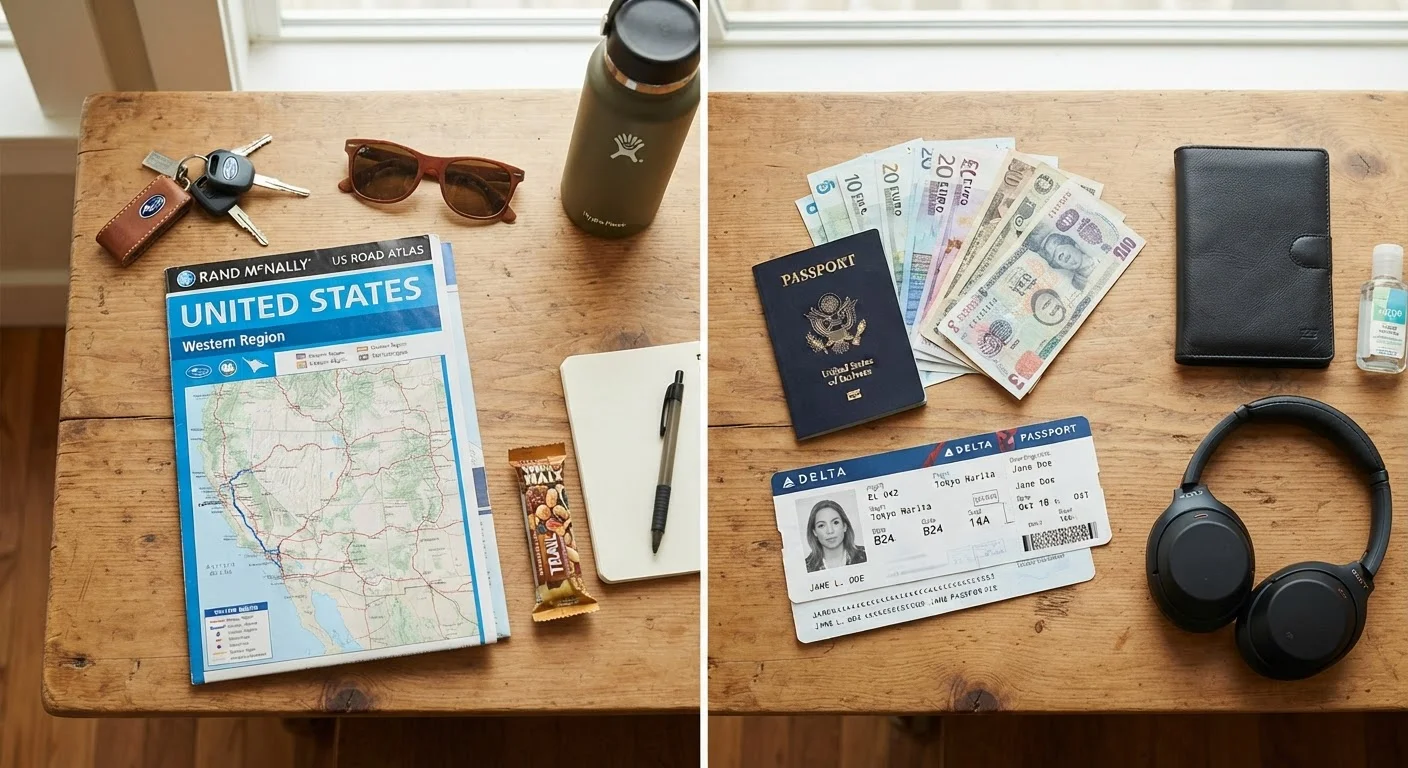
Pack appropriately for independence. When you're your own porter, every pound matters. Packing light isn't just about aesthetics — carrying less genuinely makes solo navigation easier, especially on transit.
Don't Rely Solely on Your Phone
Apps and maps fail — batteries die, data roams expensively, and some destinations have patchy connectivity. Carry a written note with your accommodation address, a small amount of local currency, and the local emergency number. Having an offline backup is not paranoia; it's practical.
For a structured approach to building each day, building a realistic itinerary that leaves room for spontaneity tends to work better than either rigid scheduling or going completely planless.
The Mindset Shifts That Make It Work
Practical preparation matters, but solo travel is also a mindset practice. A few shifts tend to separate travelers who enjoy the experience from those who spend it anxious:
Solo travel
Traveling without a companion — planning, navigating, and making all decisions independently, on your own schedule.
Travel infrastructure
The systems that support travelers in a destination: public transit, tourist signage, accommodation options, and reliable communication networks.
Itinerary flexibility
Leaving room in your travel plan to change activities, timing, or plans based on how you feel or what you discover on the ground.
Embassy or consulate
A government office representing your home country abroad, which can assist citizens in emergencies such as lost passports or serious legal situations.
Travel insurance
A policy that can cover unexpected costs related to trip cancellations, medical emergencies, or lost belongings while traveling. Terms vary significantly by provider and plan.
Reframe discomfort as data. Getting briefly lost, ordering the wrong thing, or sitting through an awkward solo dinner are information, not failures. Every mildly uncomfortable situation builds the low-level problem-solving confidence that makes future travel — solo or otherwise — feel easier.
Accept uneven days. Not every day will be Instagram-worthy. Some will be logistically tedious or emotionally flat. That's true of all travel — you just notice it more without someone to commiserate with. Keeping expectations calibrated prevents ordinary downsides from feeling like disasters.
Lean into solo-friendly contexts. Structured activities — food tours, day hikes, museum audio guides, cooking classes — give shape to time and create natural opportunities for conversation without requiring social effort. You don't have to engineer connection; you just have to show up somewhere it can happen.
Solo travel rewards people who approach it with curiosity rather than a checklist. If something unexpected happens — and it will — the skill of adapting in the moment is exactly what makes the experience stick. Our companion piece on what solo travel safety actually looks like in practice is worth reading before your first trip.
And when you're ready to go further afield, international travel planning from start to finish covers the full arc of preparation for going abroad.