Why Hawaii Budgets Almost Always Run Over
Hawaii consistently ranks among the most expensive domestic destinations for American travelers — and yet most people who go there still end up spending more than they planned. The reasons aren't a mystery: brochures and booking sites show you the headline price, not the full picture.
The sticker price of a flight and hotel is just the opening bid. What follows is a cascade of costs that feel small individually but add up fast: a resort fee here, a car rental surcharge there, a $25 beach parking lot you didn't see coming. Understanding these costs before you book is the difference between a relaxing trip and one where you're doing mental math over every mai tai.
For a broader framework on how advertised prices diverge from actual costs, see our guide to overlooked travel expenses — many of the patterns apply directly to Hawaii trips.
Ignoring resort fees when comparing hotel prices.
Why it happens: Booking platforms often display the nightly room rate without mandatory resort fees, making properties appear cheaper than they are.
Forgetting to budget for interisland flights as a separate, significant expense.
Why it happens: Travelers often plan a "Hawaii trip" as a single cost bucket, not accounting for the fact that each island-hop is essentially a new airfare purchase.
Underestimating the true cost of renting a car, including taxes and fuel.
Why it happens: The base rental rate shown online rarely reflects Hawaii's high state taxes, surcharges, and above-average gas prices — all of which can add 30–40% to the final bill.
Assuming grocery shopping will save significant money over eating out.
Why it happens: Travelers used to mainland grocery prices expect Hawaii supermarkets to offer a steep discount versus restaurants, but grocery prices on the islands are considerably higher than the US average.
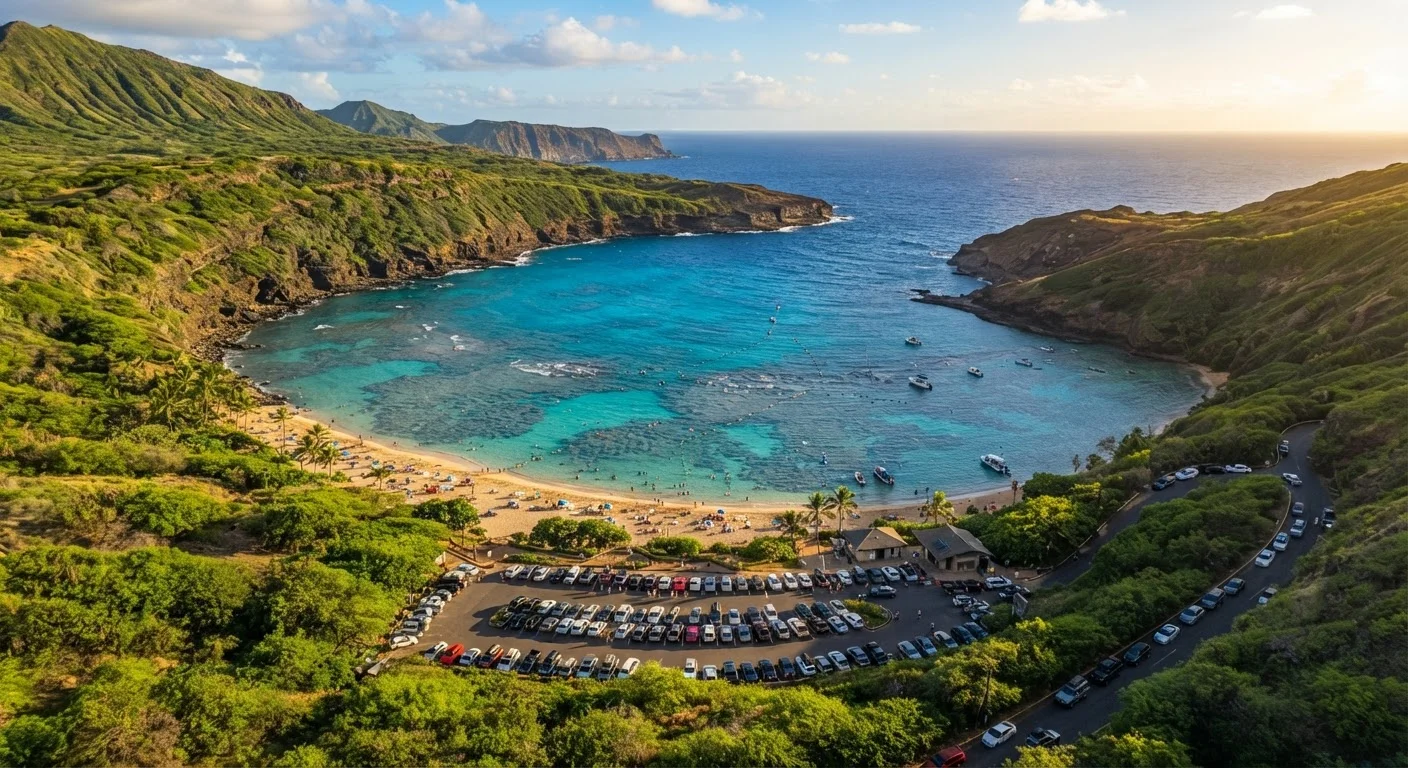
Not budgeting for paid parking at beaches, trailheads, and attractions.
Why it happens: Most mainland destinations don't charge for beach or park parking, so travelers don't think to include it — but Hawaii has expanded paid parking programs significantly at popular sites.
Booking activities and tours without checking for cancellation fees or mandatory gratuities.
Why it happens: Activity prices look straightforward online, but many operators add gratuity expectations or charge significant cancellation fees if weather or plans change.
The Numbers Behind the Surprise
~29%
Hawaii's cost-of-living premium over the US average
Hawaii consistently ranks as one of the most expensive states in which to live and travel, driven largely by the cost of importing goods across the Pacific.
$35–$55+
Typical daily resort fee at many Hawaii hotels
Resort fees are charged on top of the advertised nightly room rate and are not always disclosed prominently during the initial booking process.
2–4 legs
Flights required for a typical two-island Hawaii itinerary
A mainland-to-Hawaii round trip plus interisland connections can mean four or more separate flight segments, each potentially carrying baggage fees.
Hawaii's cost-of-living premium over the continental US isn't just a talking point — it shows up in every aspect of daily life, from a gallon of milk to a tank of gas. That premium transfers directly to visitors. Restaurants, tours, and even convenience stores operate under supply chains that cross 2,400 miles of open Pacific, and those costs filter through to prices on every menu and shelf.
Car rentals deserve special mention. Hawaii has no meaningful public transportation system outside of Honolulu's rail line (which is still expanding), making a rental car essentially non-negotiable on most islands. Rental rates in Hawaii routinely run higher than mainland averages, and mandatory state taxes and fees can add 20–30% on top of the quoted rate. Factor in gas, which is consistently among the most expensive in the US, and ground transportation alone can become a significant budget line.
If you're weighing Hawaii against other destinations, our balanced look at the real pros and cons of visiting Hawaii covers the logistical complexity in more depth.
Planning Smarter Before You Book
The most effective thing you can do is build your budget from the bottom up — not from a flight deal down. Start by deciding which island or islands you want to visit, then price out every layer: accommodations (including resort fees), car rental with taxes, estimated gas, groceries versus dining out, and any paid activities like snorkeling tours or national park permits.
If you're planning a multi-island trip, treat each interisland flight as a separate budget item. A round-trip interisland fare can range from modest to surprisingly steep depending on the route and timing, and checking two bags on each segment multiplies that cost further. Our breakdown of hidden flight add-ons is worth reading before you book any of those segments.
Resort fees are perhaps the most frustrating hidden cost because they're often not disclosed until checkout — either during online booking or literally at the hotel front desk. These daily fees (sometimes $30–$50 or more per night) cover amenities you may never use, and they're charged on top of the room rate you agreed to. Always search for the total nightly rate, fees included, before comparing properties.
The same analytical mindset that helps shoppers evaluate total cost of ownership for everyday products applies perfectly to Hawaii trip planning: look past the headline number and price out the full ownership cost of the experience.
Travel prices, fees, and policies vary by provider and change frequently. Always verify current rates, entry requirements, and conditions with official sources and service providers before booking or traveling.