Why CDMX Gets Misread Before You Even Land
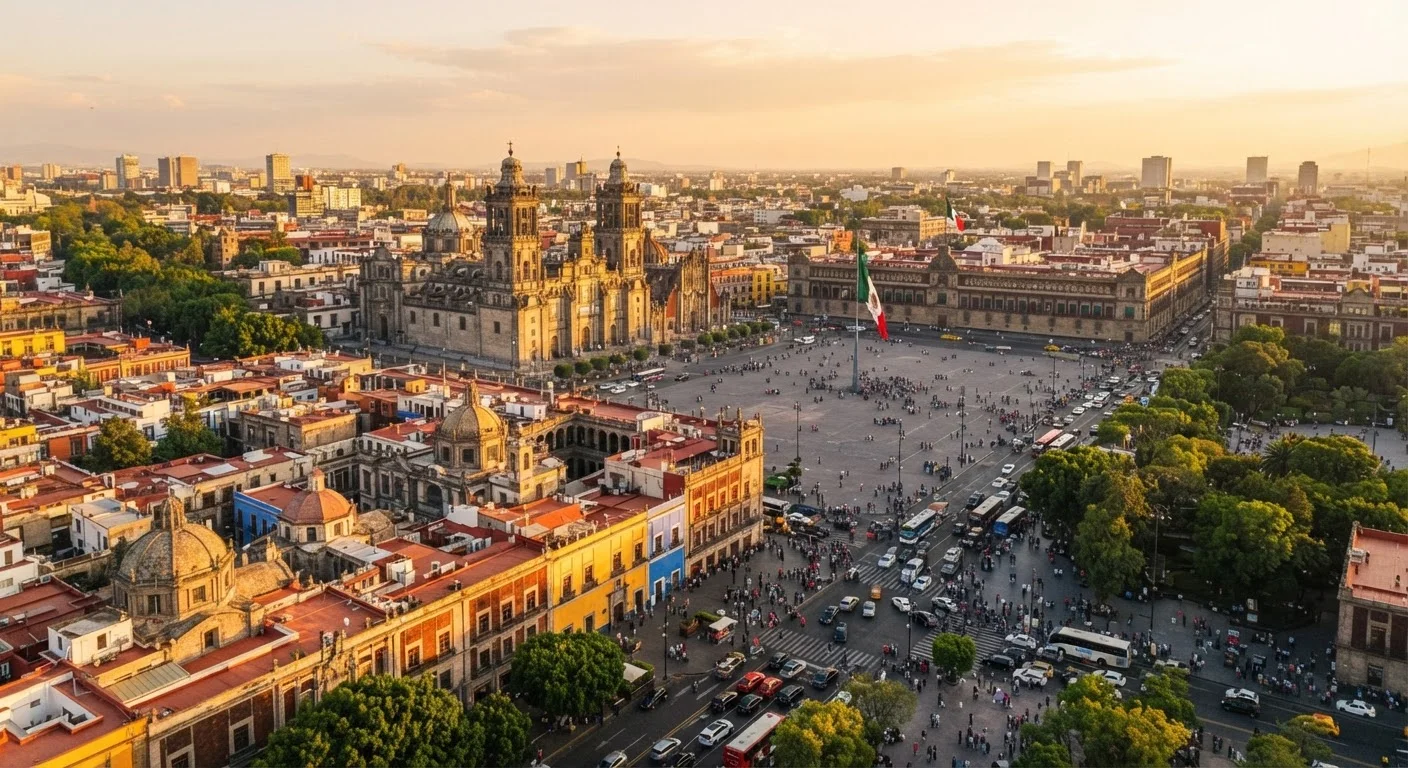
Mexico City — known locally as CDMX — is one of the largest, most culturally layered cities in the Western Hemisphere. It's home to world-class museums, a UNESCO-listed historic center, and a culinary scene that regularly earns international recognition. Yet for many American travelers, the mental image is shaped more by anxious headlines than firsthand experience.
The result is a cycle of overcaution: people skip the city entirely, or arrive braced for the worst and miss the actual experience. That's a shame, because CDMX rewards curious, prepared travelers in ways few destinations can match. Before you write it off — or head in with wildly inaccurate expectations — here's what the myths actually look like up close.
It's also worth sharpening your general research skills before any big trip. Our guide on vetting travel sources like a journalist can help you separate reliable information from outdated or sponsored noise.
Common Myths — Set Straight
Below are some of the most persistent misconceptions travelers carry about Mexico City, paired with a more accurate picture of what's actually going on.
Myth
Mexico City is too dangerous for American tourists to visit safely.
Fact
Popular tourist neighborhoods like Roma, Condesa, Polanco, and Coyoacán have safety profiles comparable to many major U.S. cities.
The U.S. State Department issues travel advisories broken down by Mexican state, not as a blanket warning for the entire country. Mexico City (which is its own federal entity, not part of any state) has historically carried a lower advisory level than many border regions. Crime exists, as it does in any large city, but the visitor experience in the areas where tourists spend most of their time is far from the war-zone image some media coverage implies. Standard urban awareness — keeping valuables discreet, using vetted rideshare apps, avoiding unfamiliar areas late at night — goes a long way. Always check the official U.S. State Department site for current advisories before travel, as conditions can change.
Myth
You'll definitely get sick from the food and water.
Fact
Tap water in CDMX is not recommended for drinking, but the city's restaurant scene maintains a wide range of hygiene standards — many establishments are perfectly safe.
The short version: don't drink tap water, and you'll be fine in most reputable restaurants. Stick to bottled or filtered water, avoid ice at very informal or street-level spots if you're uncertain, and choose busy, well-patronized food stalls where turnover keeps ingredients fresh. Mexico City's street food — including tacos al pastor, tlayudas, and tortas — is a core cultural experience, not a gastrointestinal gamble if you're reasonably selective. Traveler's stomach can happen anywhere in the world; it's not unique to CDMX, and being mildly cautious rather than completely avoidant is the realistic middle ground.
Myth
The city is hard to get around without a car or private driver.
Fact
CDMX has one of the most extensive metro systems in the world, and rideshare apps operate widely throughout the city.
The Mexico City Metro spans 12 lines and over 190 stations, making it one of the largest subway networks in the Americas. Fares are among the most affordable of any major city globally. Above ground, rideshare apps function well in most tourist-heavy areas and provide a more comfortable option at night or when you're carrying bags. Authorized airport taxis and app-based rides are the standard recommendation over hailing random cabs. Navigating CDMX is genuinely manageable for first-time visitors — the iconic color-coded metro map uses pictograms at each station, making it accessible even without fluent Spanish.
Myth
Mexico City is all ancient ruins and colonial history — not a modern destination.
Fact
CDMX is a contemporary global city with cutting-edge architecture, a thriving arts scene, and internationally recognized cuisine.
Yes, the Templo Mayor and Teotihuacán (a day trip away) are genuinely extraordinary. But Mexico City is also home to contemporary art museums, neighborhoods lined with mid-century modernist architecture, rooftop bars, independent bookshops, and a culinary scene that has produced multiple restaurants recognized among the world's best by major industry rankings. The city blends pre-Columbian, colonial, and thoroughly contemporary culture in a way that's unique on earth. Travelers who visit expecting only mariachi and pyramids tend to be the most pleasantly surprised.
Myth
You need to speak fluent Spanish to get by.
Fact
In most tourist-facing areas, basic Spanish phrases plus good-natured patience will take you far, and English is spoken in many hotels and restaurants.
English proficiency varies widely across the city — it's more common in Polanco, Condesa, and Roma than in outer neighborhoods. That said, CDMX receives millions of international visitors each year, and the hospitality industry is well accustomed to non-Spanish speakers. Learning a handful of key phrases (please, thank you, where is, how much) is respectful and genuinely helpful. Translation apps have also improved dramatically. Communicating across a language gap is part of travel — approach it with humor rather than frustration and most interactions go just fine.
Practical Realities Worth Knowing Before You Go
Beyond the myths, a few practical realities shape the CDMX experience in ways first-timers don't always anticipate.
Altitude is real — plan for it. At roughly 7,350 feet above sea level, Mexico City sits higher than Denver. Most visitors feel fine after a day of gentle acclimatization, but pushing hard on arrival — big hikes, heavy drinking, intense sightseeing — can lead to headaches or fatigue. Drink water, ease into your itinerary, and give your body 24 hours to adjust.
Getting from the airport matters. The city has two airports: the older Benito Juárez International (MEX) and the newer Felipe Ángeles International (NLU) outside the city. Where you land changes your ground transportation options significantly. Our breakdown of airport-to-center ground options for major cities covers what to realistically expect.
Cash and cards both matter. Many local markets, taquerias, and smaller museums prefer or require cash. ATMs are widely available, but knowing how to avoid bad exchange rates is useful — our piece on currency exchange myths for American travelers abroad is worth a read before you go.
Solo travelers will also find CDMX more welcoming than reputation suggests. For a grounded starting point, see our introduction to solo travel or the deeper dive on what the statistics actually say about solo travel safety.