Appraisals Are Business Decisions, Not Objective Scores
When a dealer appraises your trade-in, they're not simply calculating a universal market value. They're making a business decision: how much can they realistically net after reconditioning and reselling your car, given their current lot situation and local buyer demand?
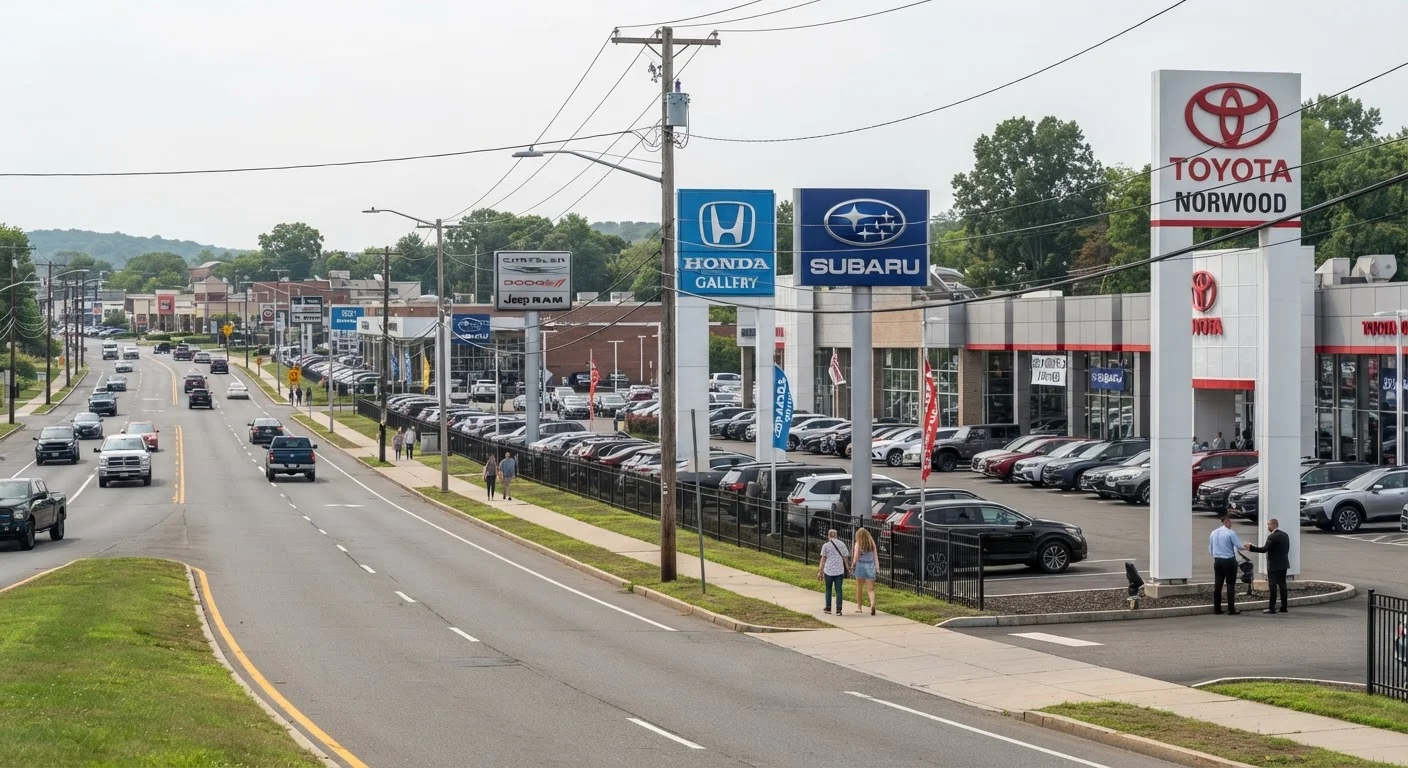
That's why the same 2019 SUV with 60,000 miles can receive an offer of $18,500 at one store and $21,000 at another across town. The vehicle hasn't changed — the dealers' situations have. One may be short on used SUV inventory heading into a busy selling season; the other may already have six similar vehicles sitting unsold.
Understanding this framing removes a lot of frustration from the process. The variation isn't arbitrary or dishonest — it reflects different business circumstances at different dealerships at that specific moment.
The Factors That Drive Appraisal Differences
Several concrete variables influence how a dealer arrives at a trade-in number:
- Inventory needs: If a dealer is short on a particular vehicle segment — compact SUVs, for instance — they'll often pay more to acquire one through a trade-in than through an auction.
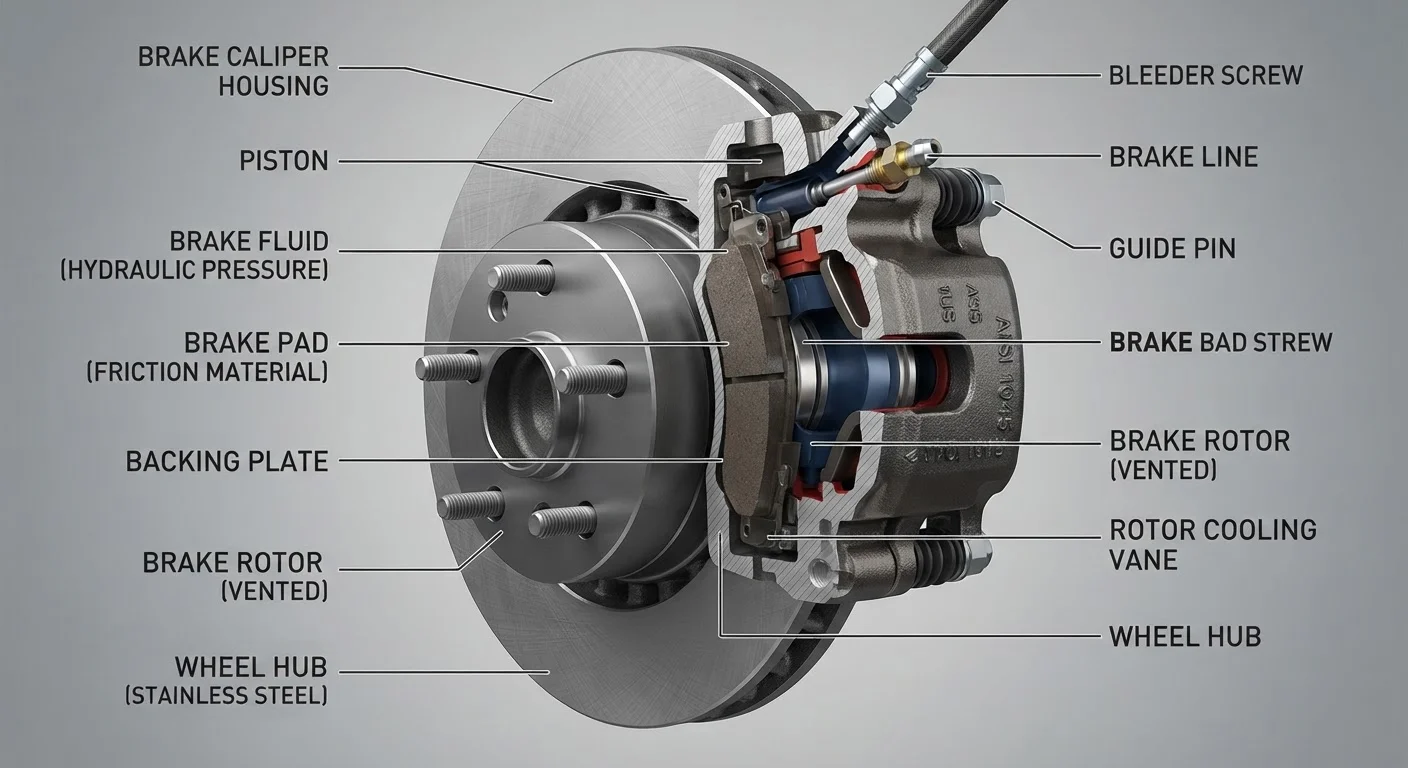
- Reconditioning costs: Dealers estimate what it will cost to prepare your vehicle for resale. Worn brakes, cosmetic damage, or needed maintenance all reduce the offer because those costs come out of the dealer's margin.
- Local market demand: A pickup truck holds stronger resale value in certain regions than in others. Dealers price to their local buyers, not a national average.
- Auction market data: Most dealers use wholesale pricing data as a starting reference. But they apply their own markup assumptions on top of that — and those vary by store.
- The deal structure: When trade-in and purchase price are discussed together, some dealers adjust one number to make the other look more attractive. This is a key reason to keep the transactions separate when possible.
$1,000–$3,000+
Typical range of variation between trade-in offers
Industry observers and consumer advocacy groups frequently note that trade-in offers for the same vehicle can vary by this range or more depending on dealer, region, and timing.
3+
Appraisals recommended before committing
Consumer automotive guidance commonly suggests collecting at least three independent trade-in appraisals to establish a meaningful market range for your vehicle.
~20%
Average dealer reconditioning markup estimate
Dealers commonly estimate reconditioning and carrying costs when appraising trade-ins, and these internal assumptions vary by store and affect the final offer.
For context on how trade-in dynamics fit into the broader purchase picture, see our guide to car negotiation myths — including why the sticker price and dealer's cost aren't what most buyers assume.
How to Approach the Process More Strategically
Knowing that offers will vary is the first step. Acting on that knowledge is what protects your interests.
Get multiple appraisals before committing. Visit several dealerships and, if available in your area, consider independent vehicle-buying services. More data points help you identify where your car genuinely sits in the local market and which offers fall short of a fair range.
Present your vehicle well. Clean the interior thoroughly, address obvious cosmetic issues if the cost is reasonable, and bring service records if you have them. A car that looks well-maintained signals lower reconditioning costs to an appraiser.
Separate the transactions. Agree on the purchase price of the vehicle you're buying before introducing your trade-in into the conversation. Mixing them makes it easy for one number to obscure what's happening with the other. Our guide to dealer vs. bank financing explains a similar dynamic on the financing side of the deal.
Know your floor. Use publicly available valuation tools to establish a reasonable range for your vehicle. Walk in informed, not just hopeful.
Trade-In vs. Private Sale: A Trade-Off Worth Knowing
Trading in your vehicle is convenient — one stop, instant credit, and no need to coordinate with individual buyers. But convenience typically comes at a cost. Private sales often yield a higher return because you're selling directly to the end buyer rather than to a middleman who needs to build in a profit margin.
Whether the gap is worth pursuing depends on your time, patience, and how much the difference amounts to in your specific case. A few hundred dollars might not justify the added effort for everyone; a few thousand dollars might.
See our comparison of private seller vs. dealership buying experiences for a fuller look at how these two paths differ on key dimensions. And if you're weighing what vehicle to put your trade-in value toward, our overview of new car vs. used car trade-offs can help frame that decision clearly.