Why the Estimate Deserves More Than a Glance
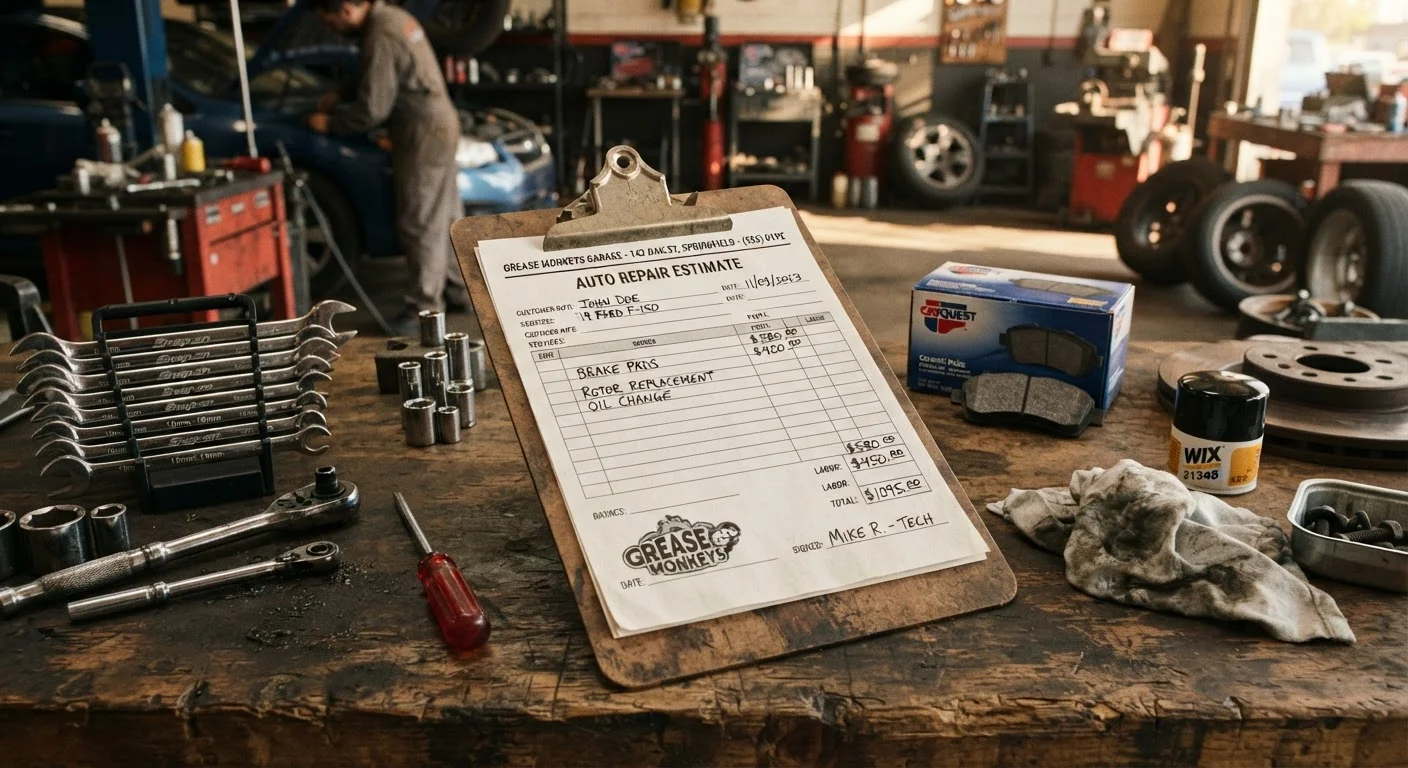
Most drivers hand their keys to a technician, wait for a call with a dollar amount, and say yes or no without ever understanding what they're agreeing to. That's understandable — repair estimates can look like dense legal documents. But the estimate is actually your clearest opportunity to ask questions, catch errors, and make an informed decision before a single bolt is turned.
If you're newer to vehicle ownership, a plain-English introduction to car maintenance can help you build the foundational vocabulary that makes estimates easier to read. For everyone else, this guide decodes the standard sections line by line.
Parts: OEM, Aftermarket, and Remanufactured
The parts section lists every component being replaced or installed. Three terms appear frequently:
- OEM (Original Equipment Manufacturer): Parts built to the same specifications as what came in your car from the factory. They tend to cost more but offer known fitment and quality.
- Aftermarket: Parts made by independent manufacturers. Quality varies widely — some aftermarket parts meet or exceed OEM standards, others fall short. The estimate won't always specify which tier; ask directly.
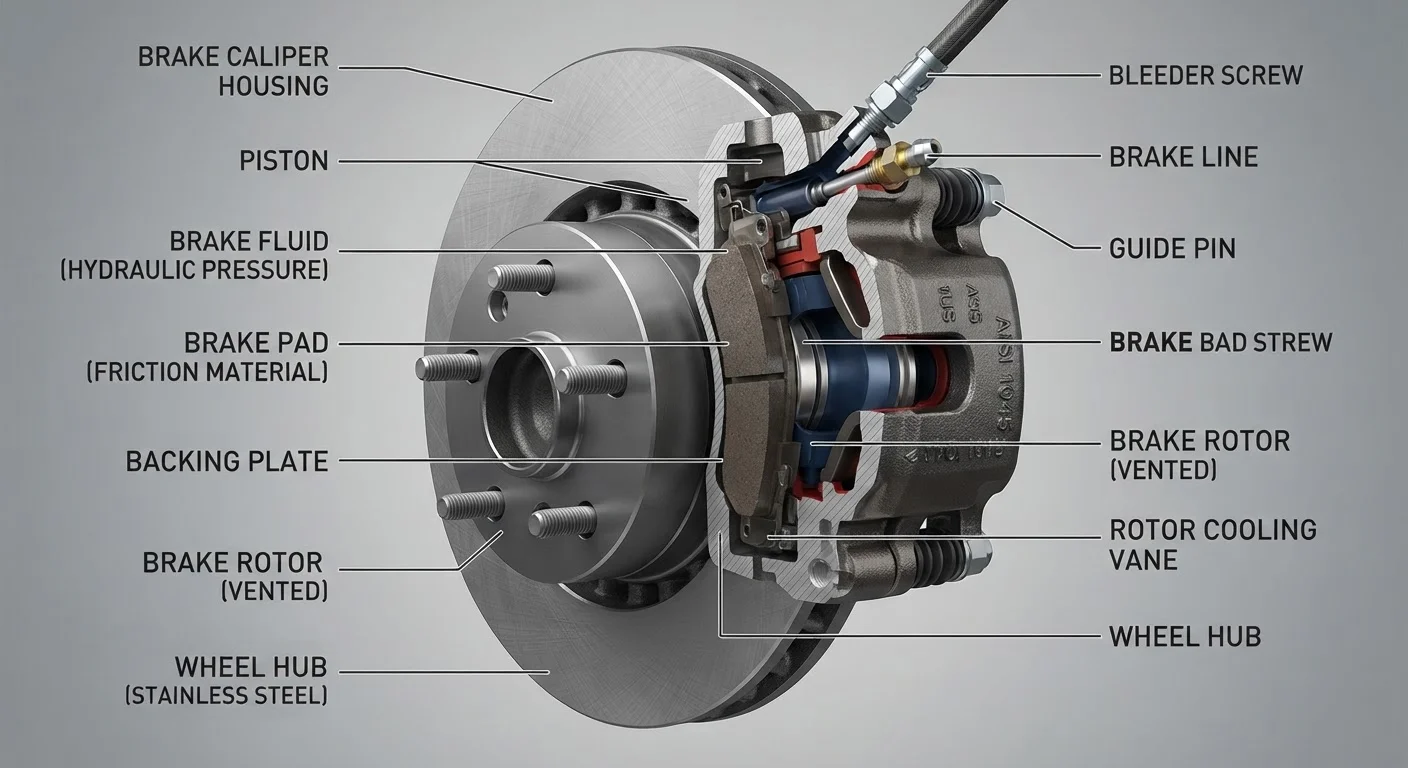
- Remanufactured (or Reman): Used components that have been rebuilt to a serviceable standard. Common for alternators, starters, and brake calipers. Often come with a warranty.
Your shop should be able to explain why they chose a particular parts source for your vehicle and what warranty — if any — backs those parts. Understanding parts choices also matters for warranty coverage on the repair itself; for a deeper look at how warranties work, see how to read warranty fine print.
Parts Warranties Are Separate From Labor Warranties
A warranty on a part covers the part itself — if it fails, the shop will replace it. A labor warranty separately covers the technician's work. These are often different terms and durations. Always ask for both warranties in writing, and clarify what happens if a covered part fails: does the shop cover the labor to reinstall it, or just the part cost?
Labor: Flat-Rate Hours and What They Mean
Labor is typically the largest cost on an estimate, and it's the most misunderstood. Shops don't bill by a stopwatch — they use a flat-rate guide, an industry reference that assigns a standard time value to each repair task. Replace a water pump on a specific engine? The guide might say 2.5 hours. You pay for 2.5 hours whether the job takes a technician 90 minutes or three hours.
The shop's labor rate — expressed as a dollar amount per hour — multiplied by the flat-rate time equals your labor charge. Dealer service departments generally carry higher labor rates than independent shops, though that gap doesn't always reflect a difference in technician skill.
If multiple repairs are done at the same time, ask whether any labor is overlapping. Some jobs share disassembly steps, which can reduce total labor time — a consideration worth raising with your service advisor.
Fees, Taxes, and the Fine Print
Beyond parts and labor, several additional line items commonly appear:
- Diagnostic fee: Covers the time and equipment used to identify the problem. This is charged even if you decline the repair. Some shops credit it toward the job cost if you proceed.
- Shop supplies: A catch-all for consumables — rags, solvents, fasteners — used during the repair. Should be a small percentage of the total bill.
- Environmental/disposal fees: Cover proper disposal of used fluids and parts. These are legitimate but should be itemized, not buried.
- Sales tax: Typically applied to parts in most states; labor tax rules vary by jurisdiction.
Each of these fees is real and generally reasonable — but they should appear as clearly labeled line items, not as a vague lump sum. If you see an unlabeled charge, ask for a description before authorizing work.
~$150/hr
Average U.S. dealer service labor rate
Industry surveys from automotive trade publications have historically placed average dealership labor rates in the $130–$165/hr range, though rates vary significantly by region and vehicle brand.
1 in 3
Drivers who don't review estimates line by line
Consumer advocacy surveys have consistently found that a significant proportion of vehicle owners approve repairs based on the total price alone, without reviewing individual line items.
Varies by state
Maximum estimate overage before shop must call you
Many U.S. states cap how much a final repair bill can exceed a written estimate — commonly 10% or a fixed dollar threshold — before requiring customer authorization. Rules differ by jurisdiction.
How to Review an Estimate Before You Sign
Approach the estimate methodically. First, confirm that the described repair actually matches the problem you brought the car in for. Second, check whether the parts are new or remanufactured, and whether they carry a warranty. Third, verify that the labor hours align generally with the scope of the job — a quick internet search for the repair type plus "flat-rate hours" can give you a ballpark.
If a repair seems complex or unusually expensive, getting a second written estimate from another shop is a sound approach. Not every shop will match a competitor's price, but comparing estimates reveals whether the pricing is in a reasonable range. This decision connects directly to the broader question of when to use a shop versus handling a repair yourself.
Finally, ask how the shop handles changes discovered mid-repair. Reputable shops will contact you for approval before exceeding the estimate. Get that commitment verbally confirmed, and review any written authorization policy on the work order before signing.
This article is for general informational purposes only and does not constitute legal or financial advice. Consumer protection rules governing repair estimates vary by state; consult your state attorney general's office or a licensed consumer protection resource for guidance specific to your situation.